How to Create Multi-Year Development Plans, with Dr. Stephen Seiler and Sondre Skarli
Certain physiological gains only happen after years of development. We discuss how to design training plans that look two or more years ahead.

Cycling training is a science and an art. How endurance athletes train, when they train, and the intensity and duration of that training all affect the gains and adaptations they see.
Proper interval execution is essential to see the expected progress. How you analyze and interpret all that data is equally valuable. Of course, training needs to be planned so it fits into any given season, race schedule, and lifestyle. Off the bike, the importance of strength and conditioning is often neglected.
This is training. This process is what athletes live for.

Certain physiological gains only happen after years of development. We discuss how to design training plans that look two or more years ahead.
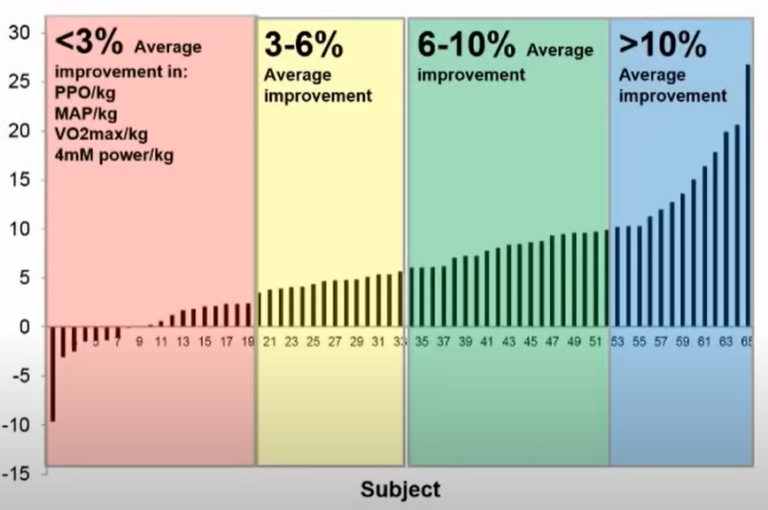
Dr. Stephen Seiler presents the reasons, methods, and benefits of moving from a polarized training template to a more personalized, optimized training method that is still based on polarized training.

Many athletes worry that they will lose fitness if they skip too many days of training. While detraining does occur over time, there are also many benefits to taking a break.
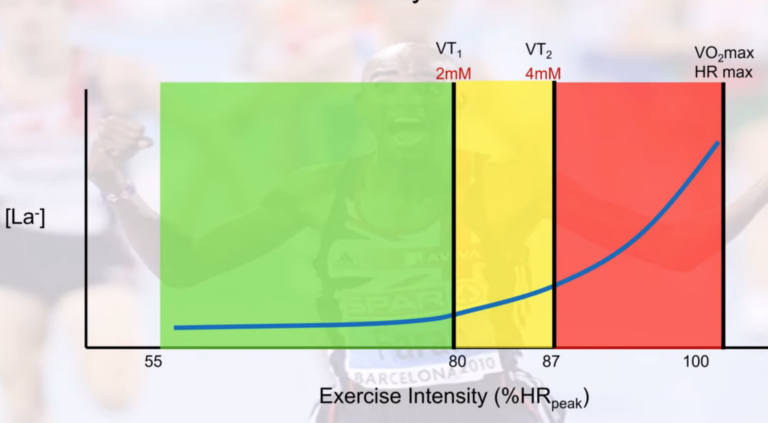
Dr. Stephen Seiler introduces polarized training during this in-studio podcast with FLO Cycling.

We believe modern coaching doesn’t optimally fulfill the needs of the modern athlete. That’s why we’re introducing our community, education, and coaching membership, Fast Talk Laboratories.
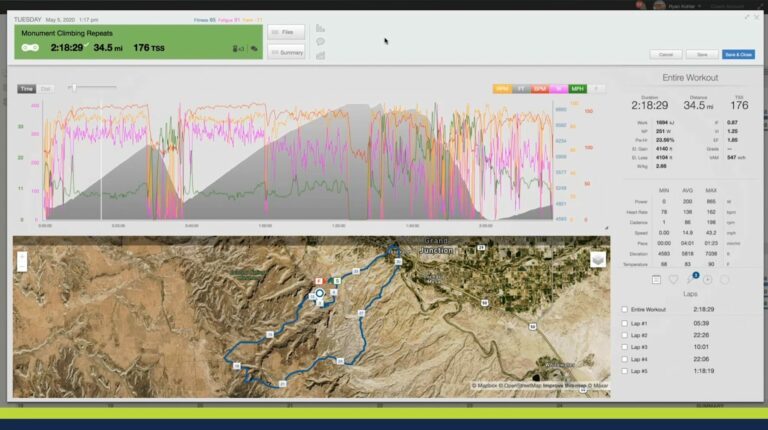
Coach Ryan Kohler and Trevor Connor analyze climbing intervals at threshold, focusing on the importance of cadence and pace.

For distance runners unable to do high-intensity aerobic intervals, Dr. Stephen Seiler suggests adding strength and speed work.
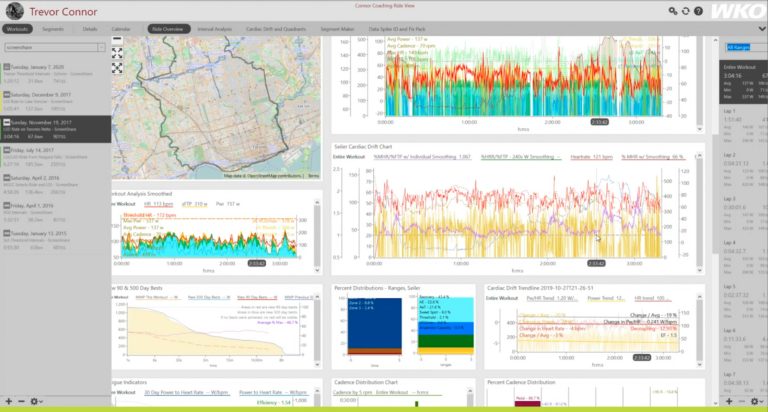
Coaches Trevor Connor and Ryan Kohler analyze ride data from one of Trevor’s LSD (long, slow distance) rides in order to explain the correct execution of one of these fundamental rides.

Dr. Stephen Seiler surveyed over 1,000 endurance athletes of different levels to find out how the basic characteristics of the training process have changed during the coronavirus pandemic. Here are the results.
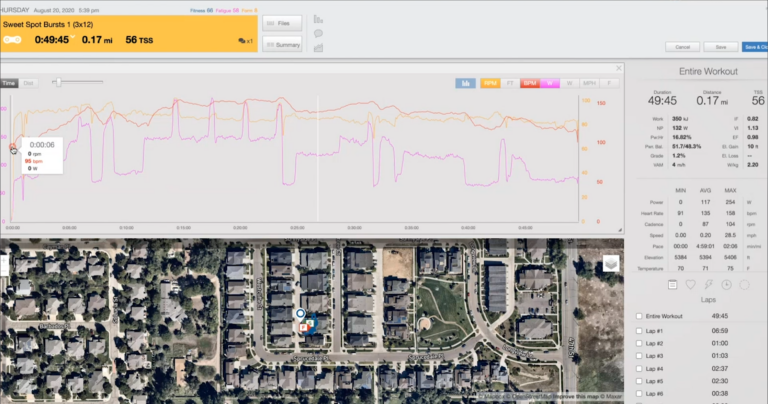
Coach Ryan Kohler and Trevor Connor demonstrate how to interpret pedaling cadence data and look for signs of poor workout execution.

In this final video of his “short stack”, three-part series, Dr. Stephen Seiler discusses some research studies that compare short interval and long interval training and how they impact endurance capacity in already well-trained athletes.

These nutrition strategies will help reduce the side effects of hormonal fluctuations during the menstrual cycle.
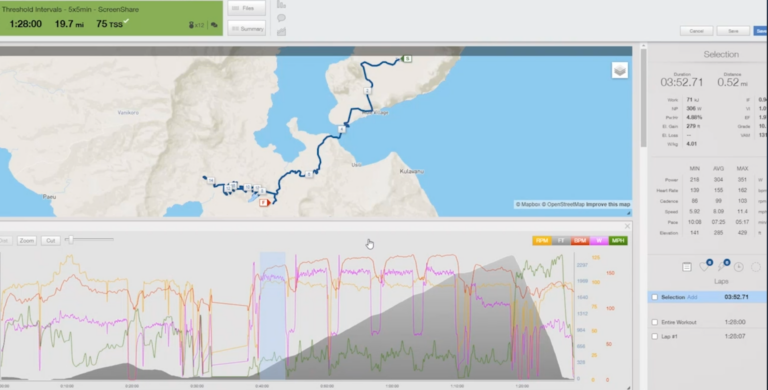
Coach Trevor Connor and Coach Ryan Kohler walk through their process for interpreting 5×5-minute interval workout sessions in TrainingPeaks.
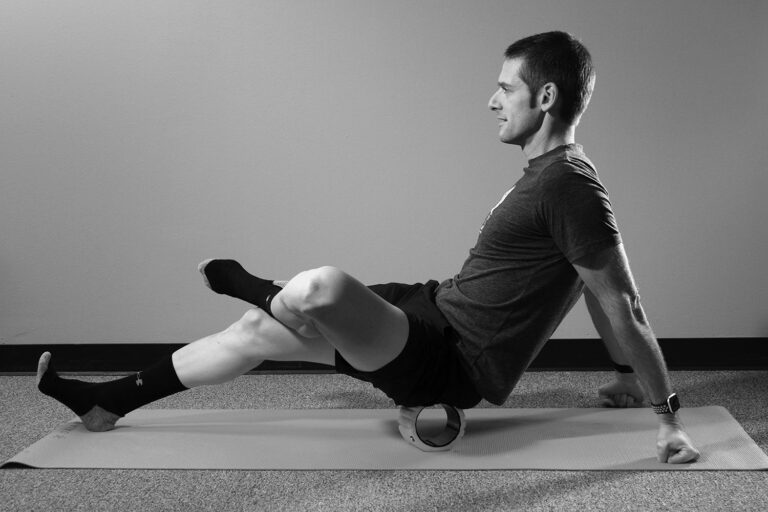
Working on strength, stretching, and stability a few times a week will help keep knee pain away.

We dive into the physiology and physics of climbing by bike, and offer tips on how you should climb given your type of engine.
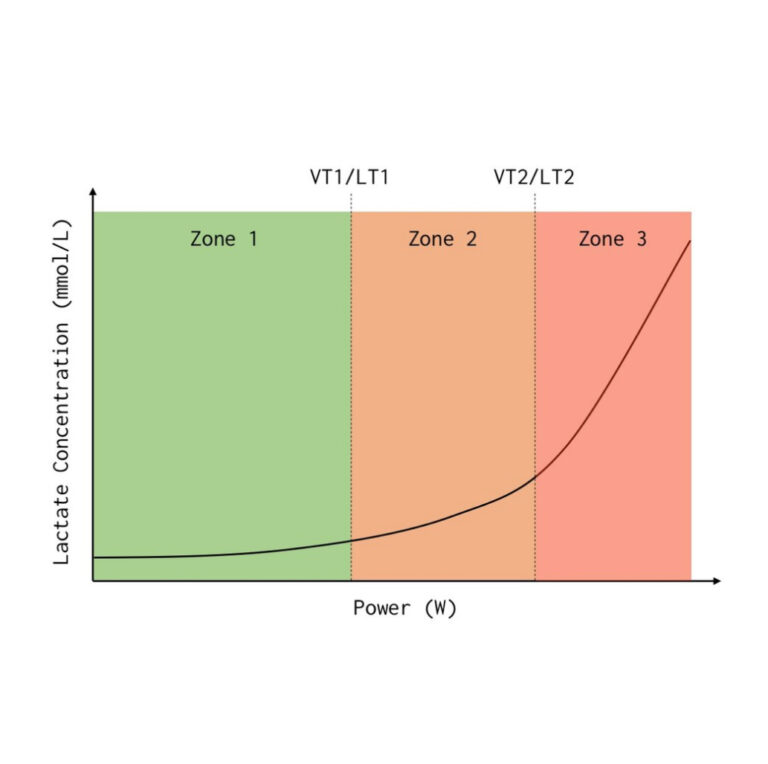
Dr. Stephen Seiler explains the endurance training zones schemes he uses in research (3 zones) and in practice working with Norwegian coaches and athletes (5 zones) as part of the Norwegian Olympic Federation model.

Grant Holicky breaks down the best cyclocross skill drills to upgrade your ‘cross racing with the help of some highly qualified riders.

Like it or not, we slow down as we age. Do some parts of our physiological machinery slow down faster than others? If so, what does that mean for training and endurance performance?