How to Plan Your Base Season
We discuss the nuances of base season planning, from the appropriate intensity distribution to the time it takes to produce gains from both aerobic and anaerobic work, and much more.

Cycling training is a science and an art. How endurance athletes train, when they train, and the intensity and duration of that training all affect the gains and adaptations they see.
Proper interval execution is essential to see the expected progress. How you analyze and interpret all that data is equally valuable. Of course, training needs to be planned so it fits into any given season, race schedule, and lifestyle. Off the bike, the importance of strength and conditioning is often neglected.
This is training. This process is what athletes live for.
We discuss the nuances of base season planning, from the appropriate intensity distribution to the time it takes to produce gains from both aerobic and anaerobic work, and much more.
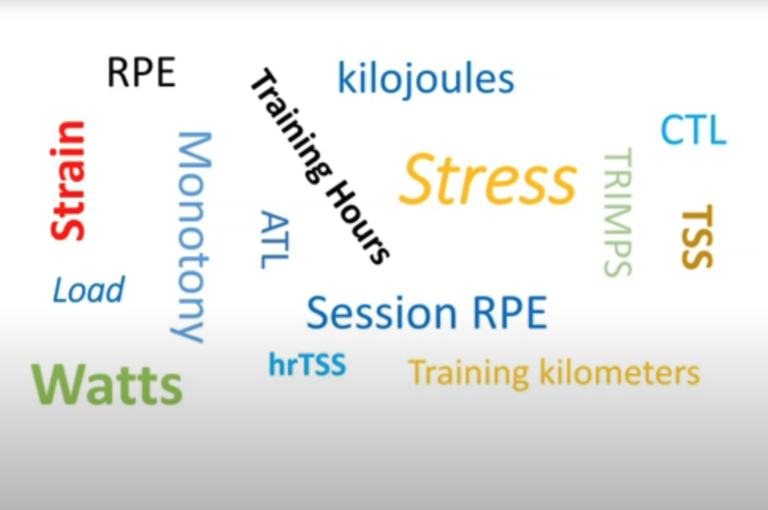
Dr. Stephen Seiler demystifies training scores and metrics, giving athletes a clear definition of the fundamental principles of sport science.

In an age when athletes often focus on the specifics, we address the importance of focusing on the fundamentals: training, recovery, and functioning gear—the things that will bring you the greatest return for your investment of time, sweat, and energy.
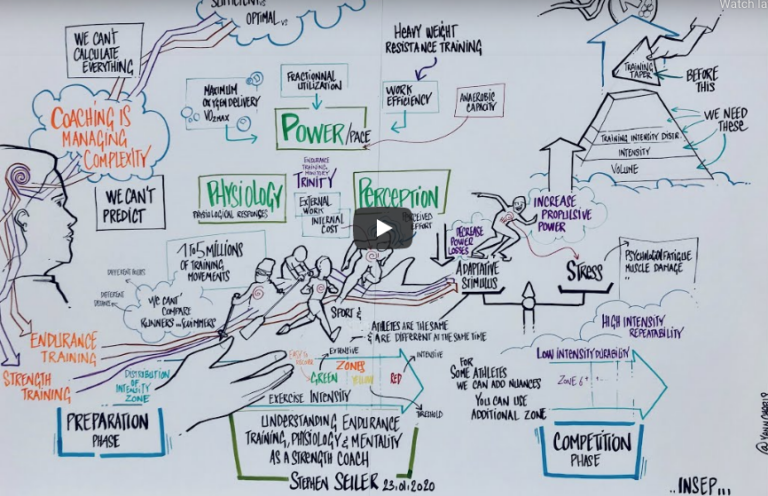
Dr. Stephen Seiler answers five endurance training questions on heart rate, zones, polarized training, rest, and much more.
Ryan and Trevor tackle questions on how running can be used in the base season, recovery for time-crunched athletes, the complexity of workouts, pre-race meal planning, and much more.
Coaches Trevor Connor and Ryan Kohler discuss the science of a pre-race warm-up routine and demonstrate how Trevor prepares for time trials.

Age is just a number. Few athletes know that better than Rebecca Rusch, who joins us to discuss how to adapt and perform at the highest levels of sport as you age.
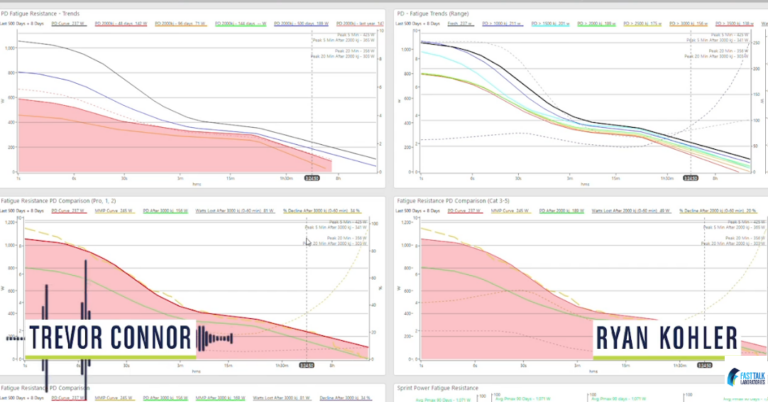
Coaches Trevor Connor and Ryan Kohler analyze the Power Duration Curve in order to illustrate how you can train fatiguability.

Learn how to reframe your mindset about training. Let’s throw away outdated athletic goals in terms of “climbing mountains.” Rather, think about your athletic journey as an orbital path with your Dream, Goal, or Objective at one point, three-quarters of the way around the orbit.
In this video, Dr. Seiler thinks out loud—with math—to explore how critical power and variable intensity races might connect in practice.
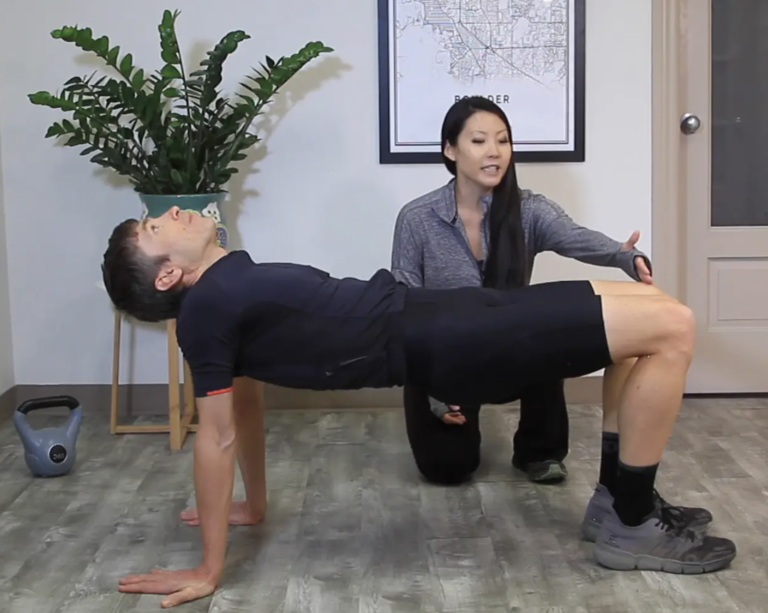
This core exercise is part of a series of core workouts offering a multi-planar approach to core integrity.
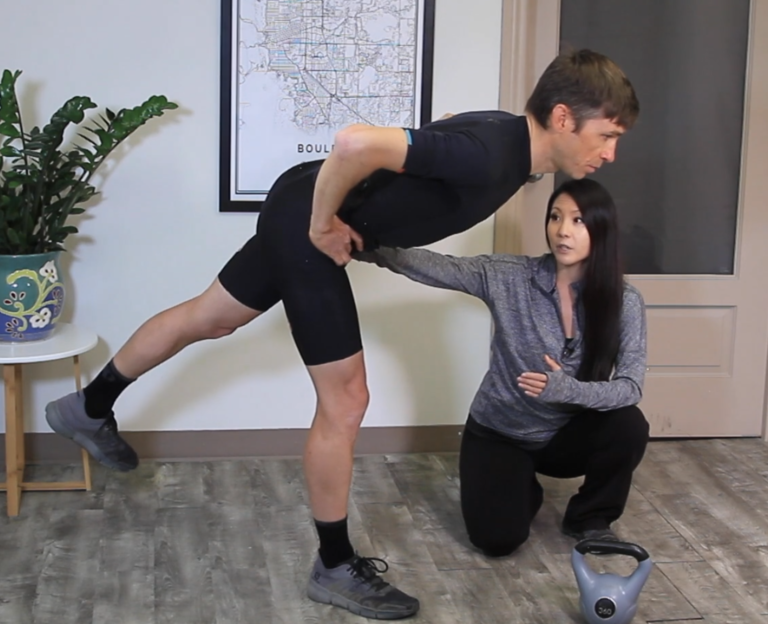
Learning how to use the lower body appropriately is crucial for a number of high-performance bike skills. The single-leg RDL helps develop balance and power.
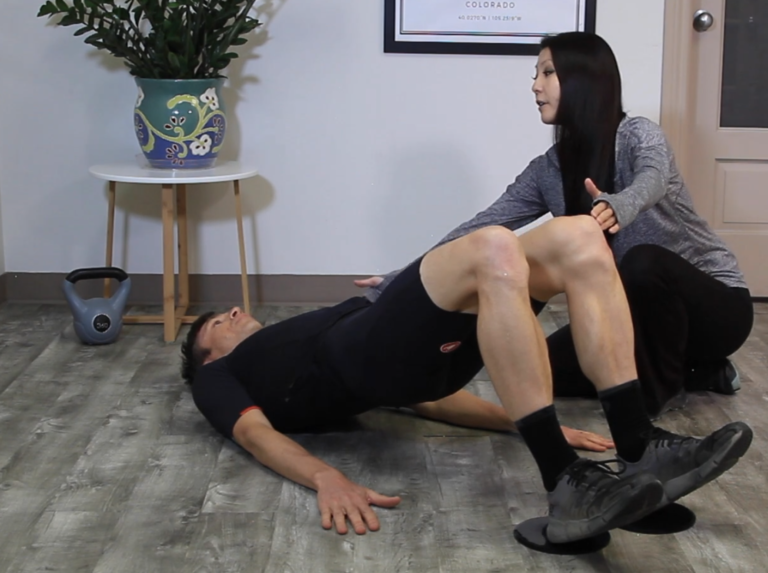
Learning how to use the lower body appropriately is crucial for a number of high-performance bike skills. The leg curl will help with general strength off the bike.
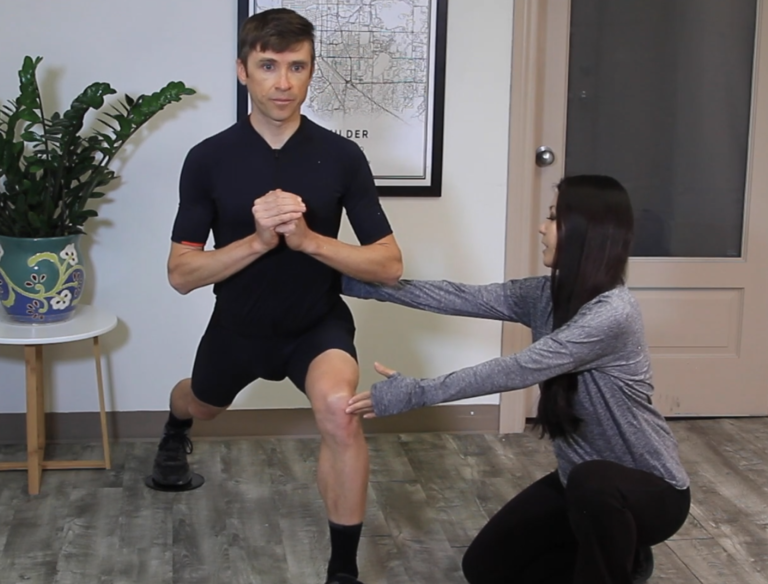
Learning how to use the lower body appropriately is crucial for a number of high-performance bike skills. The reverse slide lunge will help develop control and power.
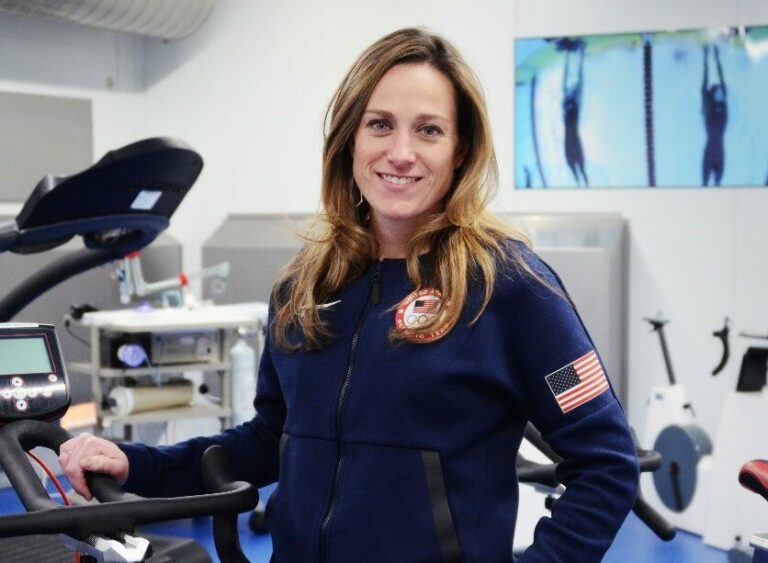
Physiologist Lindsay Golich, who works with some of America’s best Olympic athletes, helps us field questions on heat, altitude, FTP testing, fasted training, and much more.
Coach and author Will Murray joins Coach Ryan Kohler for a discussion of what makes a useful set of goals, how to develop them, the psychology of goals, and much more.
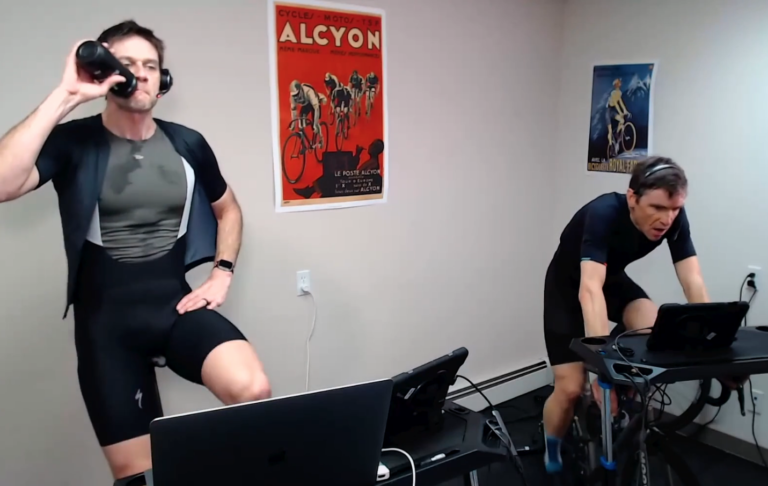
These “on/off” style intervals will help you push top-end power and cardiovascular adaptations.
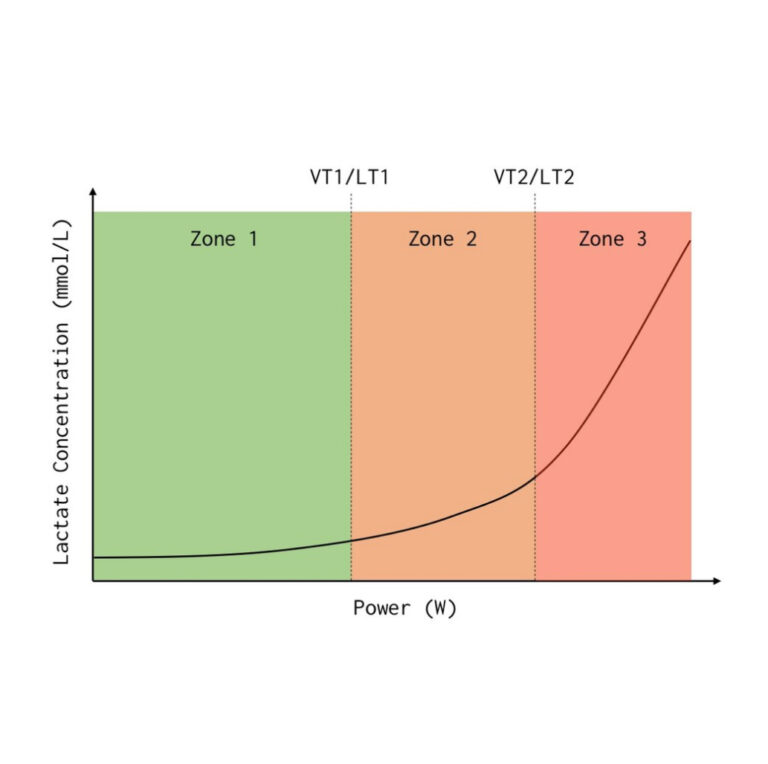
Dr. Stephen Seiler and Trevor Connor discuss polarized training, intensity distribution, and endurance in this webinar with CKO Sprint.