Power, Physiology, Perception: Integrating the Holy Feedback Trinity
Dr. Stephen Seiler shares the “holy trinity” of training feedback in this live presentation at a rowing conference.

Humans aren’t machines—we’re much more complicated. Exercise physiology involves changes in the body from exercise and rest.
From anaerobic threshold to environmental acclimatization, from FTP to PGC-1 alpha, we explore the science of human performance.
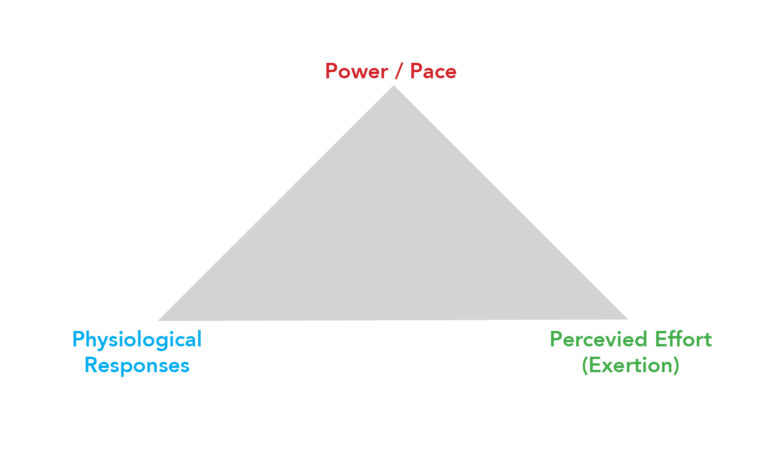
Dr. Stephen Seiler shares the “holy trinity” of training feedback in this live presentation at a rowing conference.
These low-cadence tempo intervals allow us to work on technique, focus on force production at the pedals, and improve muscular endurance.

Dr. Stephen Seiler delves into over a century of research to explore why rowing has gotten faster so consistently.
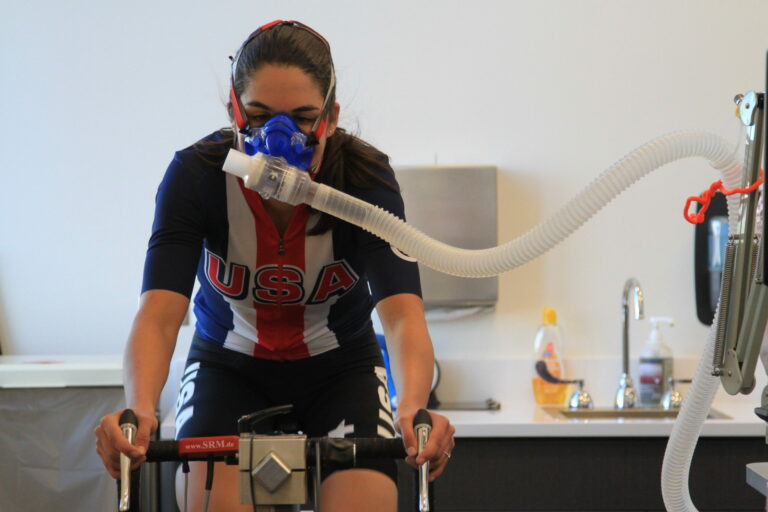
Given the hormonal fluctuations experienced during the menstrual cycle, should female athletes prepare differently for lab testing?
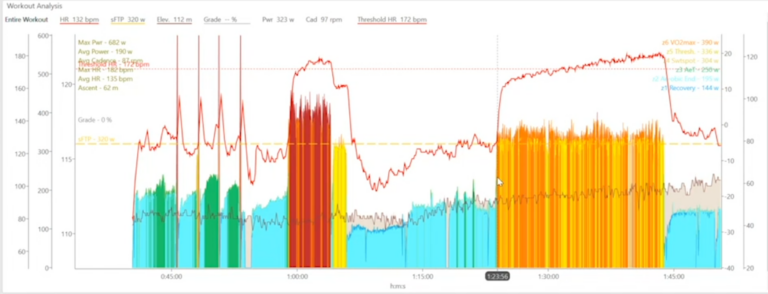
Coaches Trevor Connor and Ryan Kohler analyze data from 20-minute power tests, offering important lessons on the proper execution of these intervals.

Breathing cold, dry air while training outdoors can feel painful, but does it hamper your performance? Dr. Stephen Cheung explores.
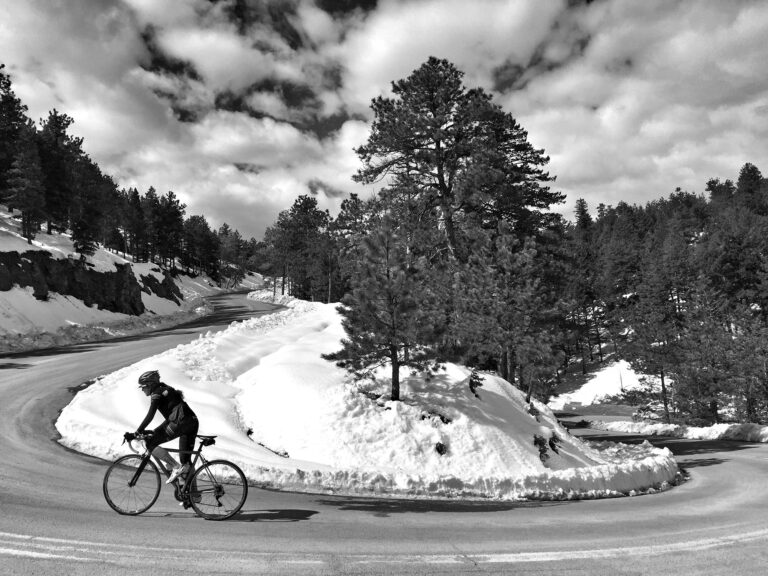
Cold temperatures can have a big impact on our physiology. We detail the performance effects of cold temps, and learn how to combat them.

New England legend Amos Brumble joins Fast Talk to discuss training without power, the benefits of fixies, lunch rides, and more.
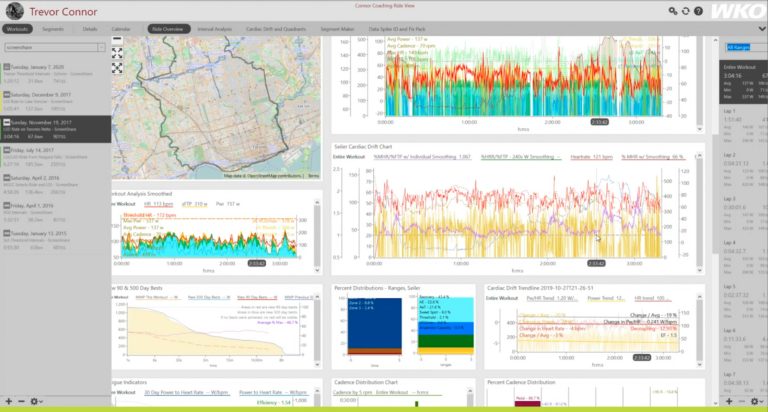
Coaches Trevor Connor and Ryan Kohler analyze ride data from one of Trevor’s LSD (long, slow distance) rides in order to explain the correct execution of one of these fundamental rides.
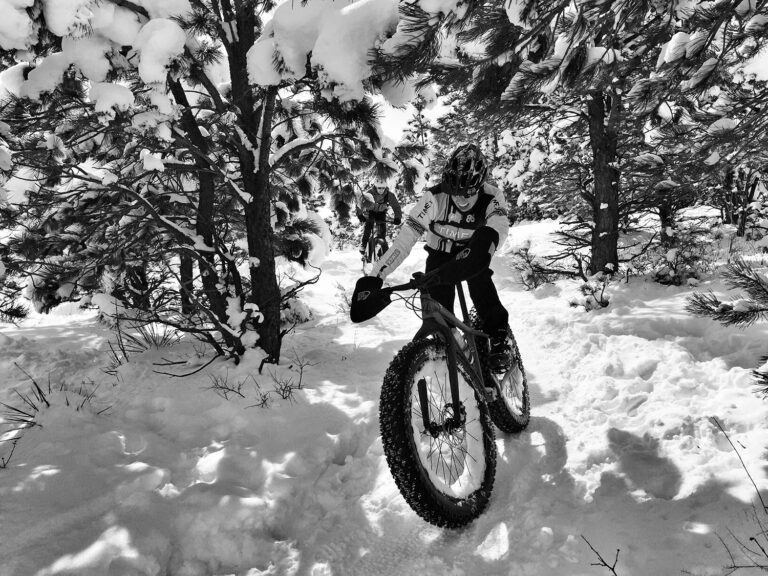
Cold temperatures can affect not only comfort but performance during your rides and races. We teach you how to stay warm and dry all year long.

Coach Grant Holicky and head coach Ryan Kohler teach you how to analyze cyclocross power files in TrainingPeaks.
To avoid the high-intensity effort required to directly measure max heart rate, athletes use prediction equations. Clint Eastwood may or may not approve.
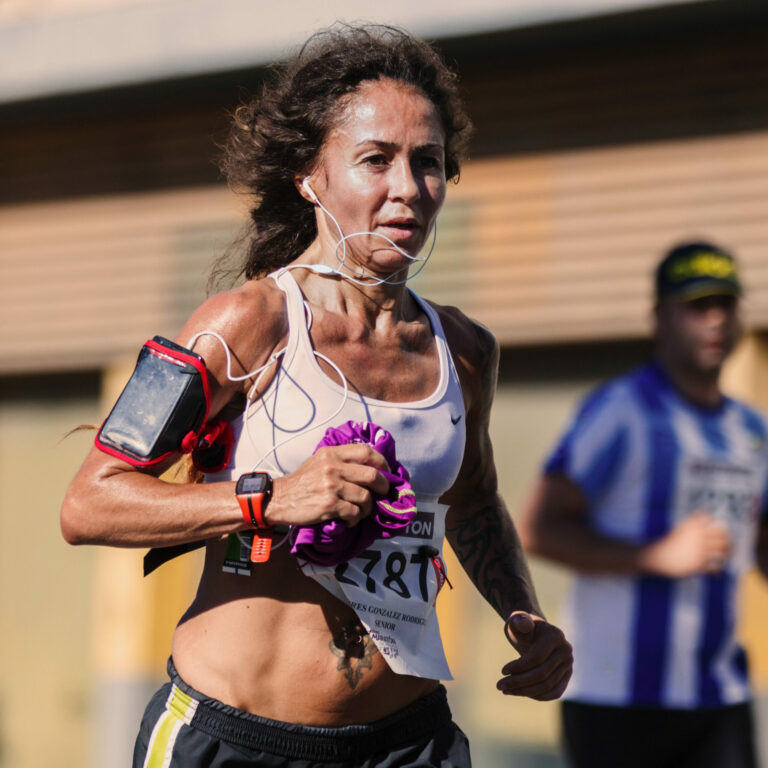
Like it or not, we slow down as we age. Do some parts of our physiological machinery slow down faster than others? If so, what does that mean for training and endurance performance?
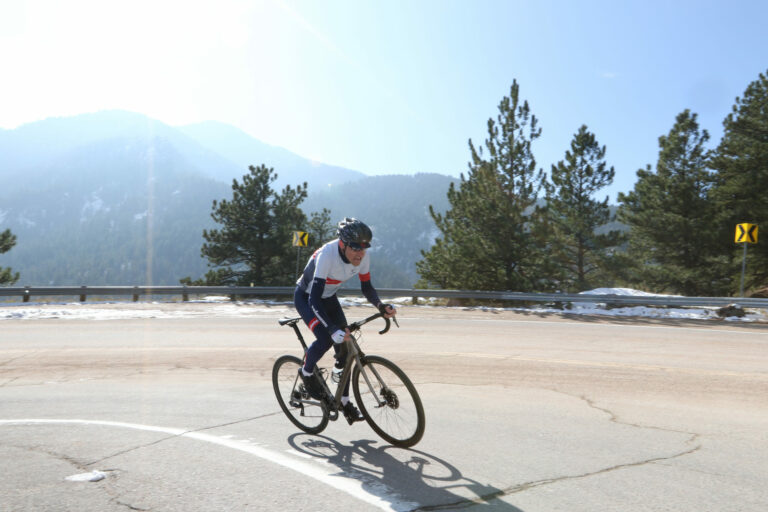
Reducing cardiovascular drift and increasing fiber recruitment are key components of sustainability.
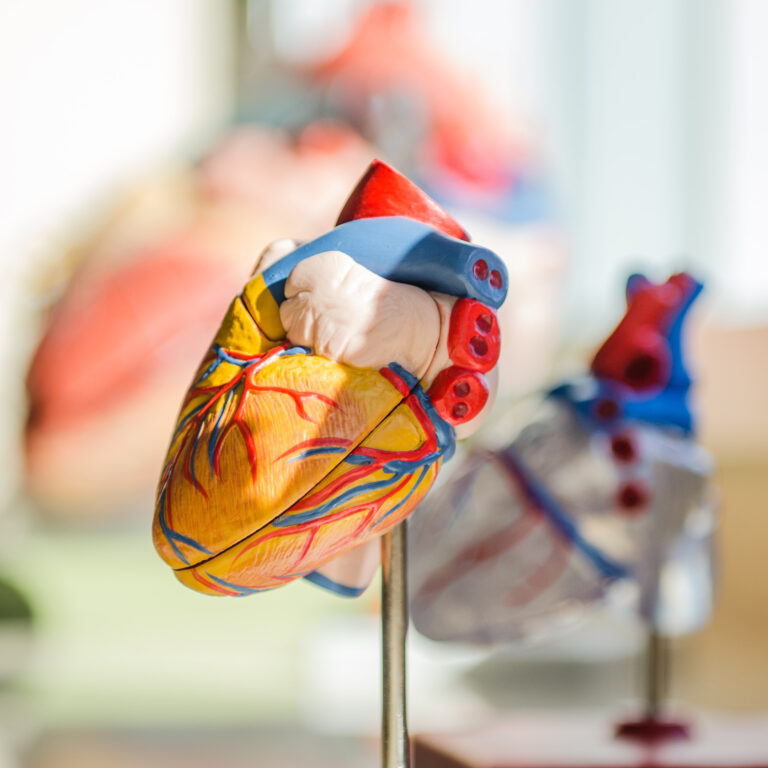
Dr. Stephen Seiler presents the case for why properly measured heart rate data is important to track and about some dos and don’ts to follow when attempting to determine your own HRmax.
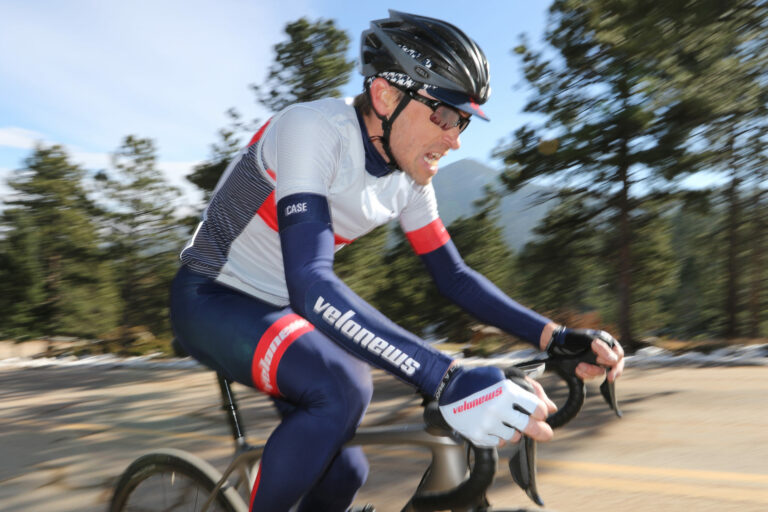
Trevor Connor revisits the fundamentals of aerobic versus anaerobic pathways, and helps us understand more advanced principles of interval training.
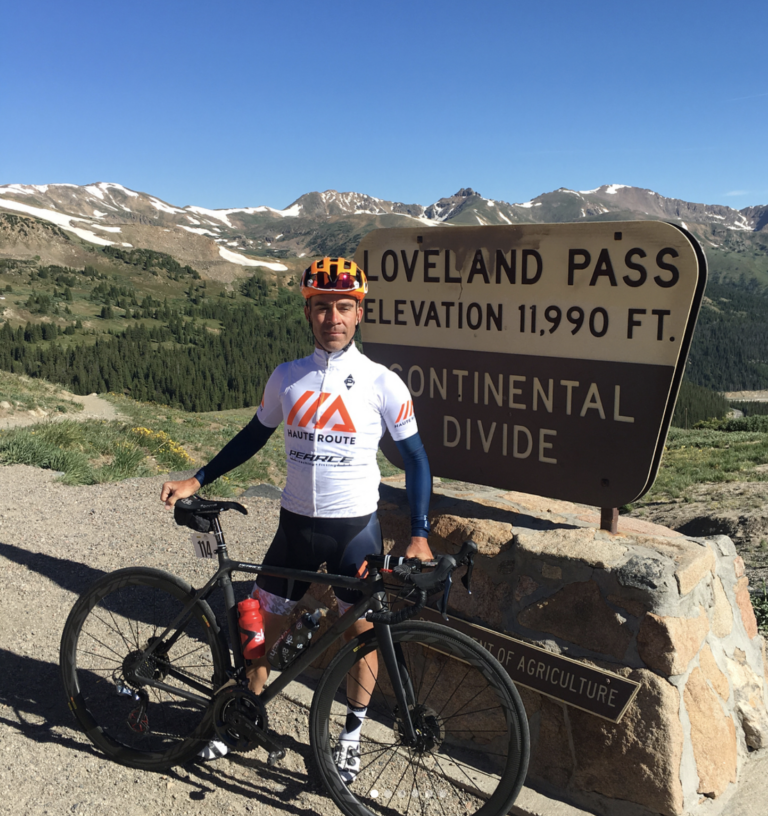
Colby Pearce outlines some key abilities that make great cyclists in this broad overview of the sport.

How accurate are threshold numbers? And why is it so difficult to find accurate threshold numbers? We discuss several common ways to find your threshold and their pros and cons.