Longevity and Biomarkers of Performance
In this episode, we take a critical look at the longevity movement and explore the most valuable—yet elusive—biomarkers for athletes.

Humans aren’t machines—we’re much more complicated. Exercise physiology involves changes in the body from exercise and rest.
From anaerobic threshold to environmental acclimatization, from FTP to PGC-1 alpha, we explore the science of human performance.
In this episode, we take a critical look at the longevity movement and explore the most valuable—yet elusive—biomarkers for athletes.
Coaches have known about the importance of durability for years, but researchers are only just starting to catch up. We discuss why it is the fourth pillar of performance.
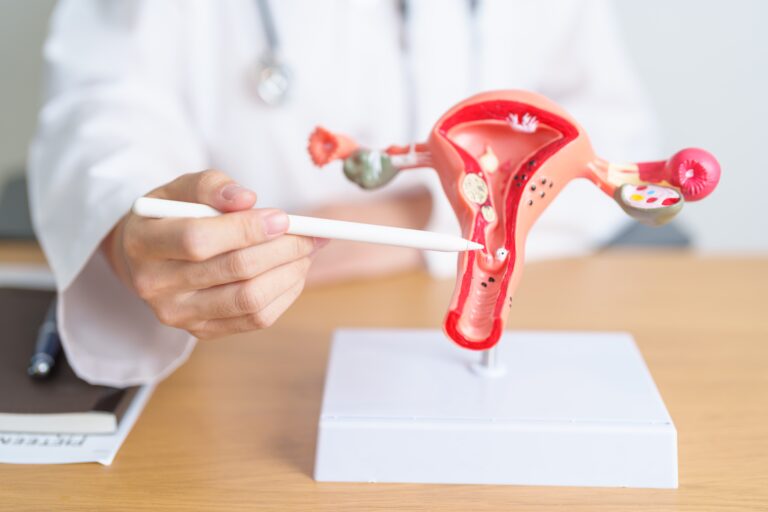
Hormonal fluctuations during the menstrual cycle influence training, recovery, and performance. Individual tracking and targeted strategies help female athletes adapt and thrive.
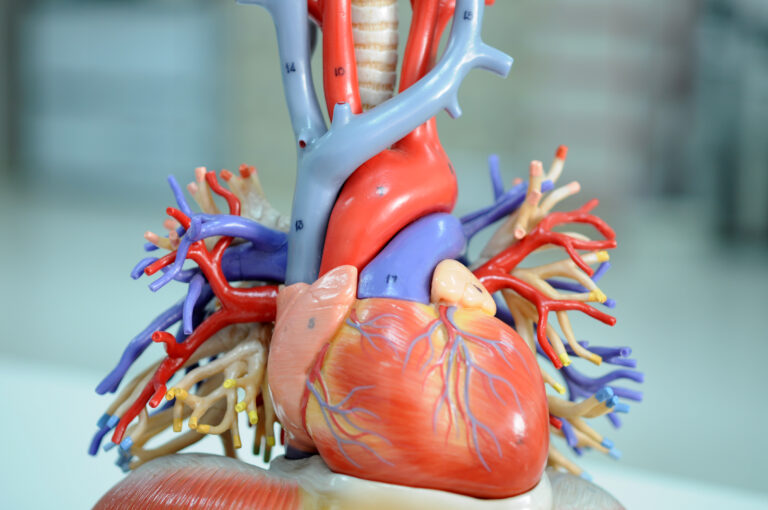
The cardiovascular system powers endurance performance. Explore how training reshapes the heart, what causes cardiovascular drift, and why too much exercise may carry long-term risks.

Oxygen delivery, VO2max, and breathing efficiency all shape how the respiratory system supports endurance performance.
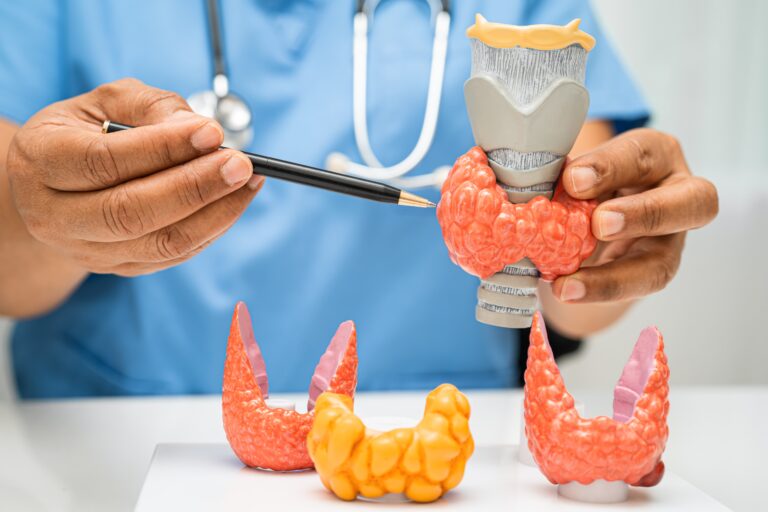
Hormonal regulation plays a vital role in energy balance, recovery, and performance—disruptions can lead to fatigue, stagnation, or overtraining.

Doing more sprint work and cadence drills on your rides could lead to substantial performance gains.
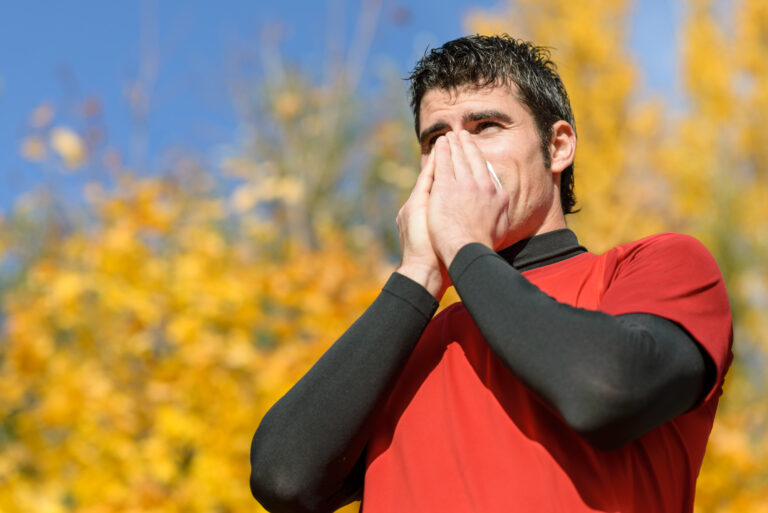
The closer we get to peak fitness, the more vulnerable we may become to illness. We explore how to prevent illness, and how to train effectively when it strikes.
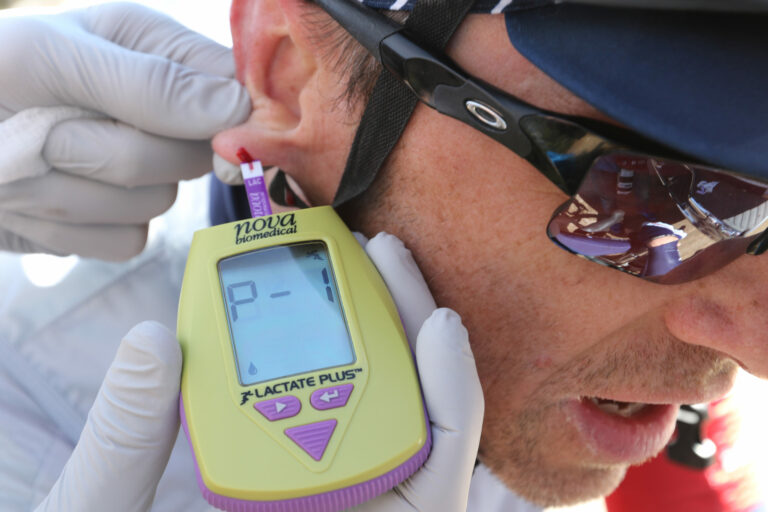
As more athletes decide to dive into do-it-yourself lactate testing, we explain how to best conduct measurements and how to avoid the most common mistakes.
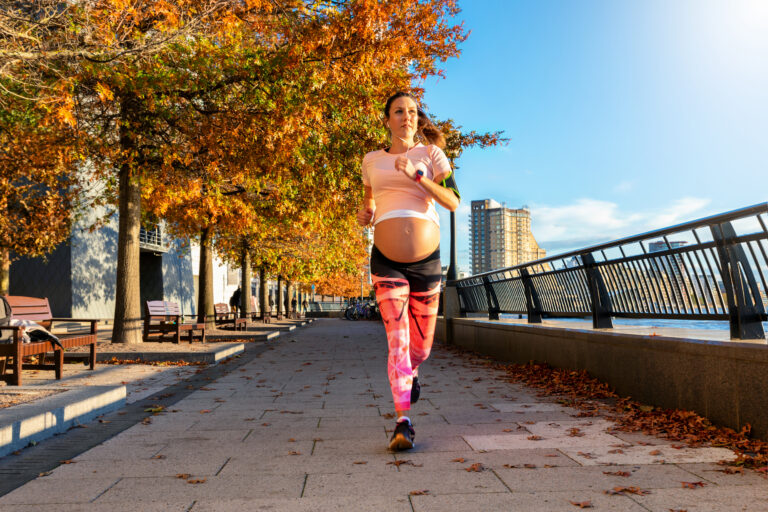
We look at the latest research on the safety, benefits, and precautions for expecting mothers.
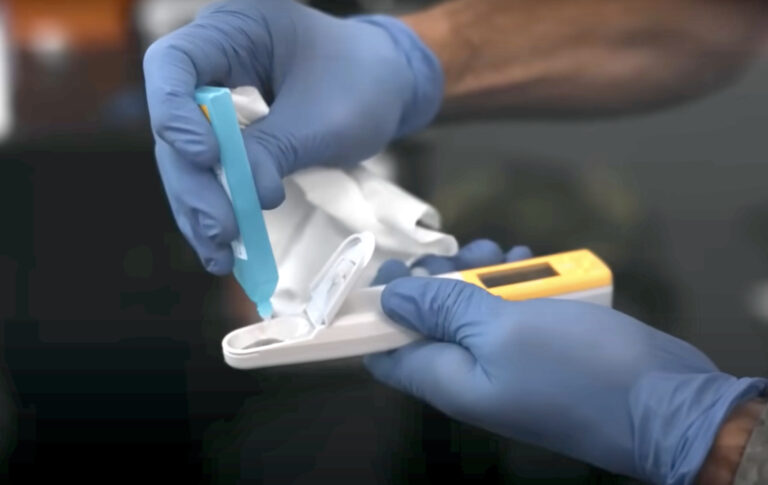
We detail the integral role that water and sodium play in our physiological processes, and how understanding sweat rate and composition can improve performance, recovery, and health.
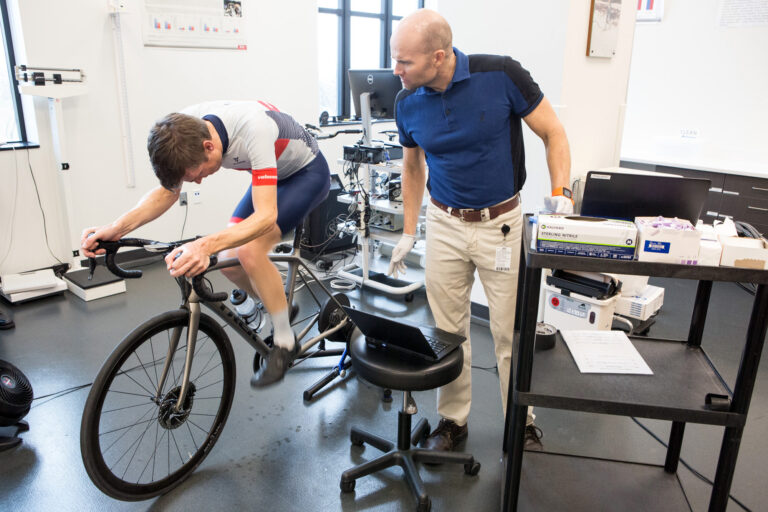
Physiological testing is a powerful tool to fine-tune your training and optimize performance.
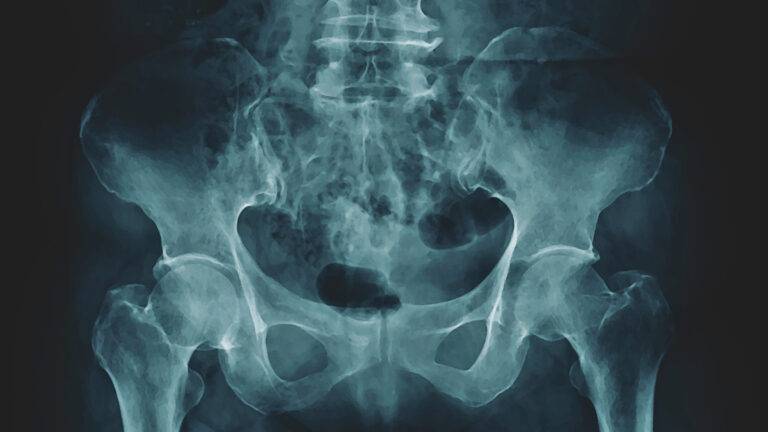
A 2023 study claims cycling can cause significant bone density loss in as little as a year. Is there more to the story?
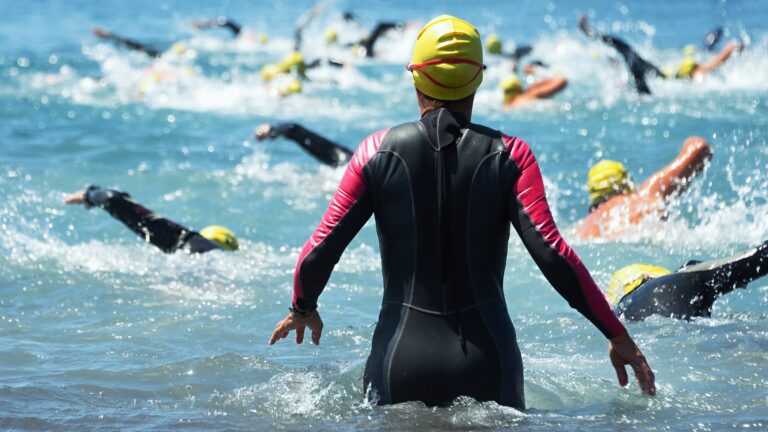
Most athletes who die in triathlons succumb during the swim leg. We explore why that is, and how to reduce the risk for your next event.
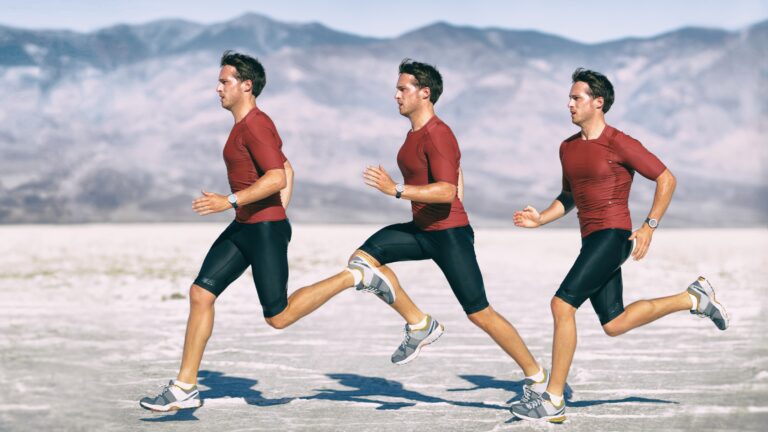
Performing a gait analysis may be necessary to troubleshoot recurring injuries or improve run speed.
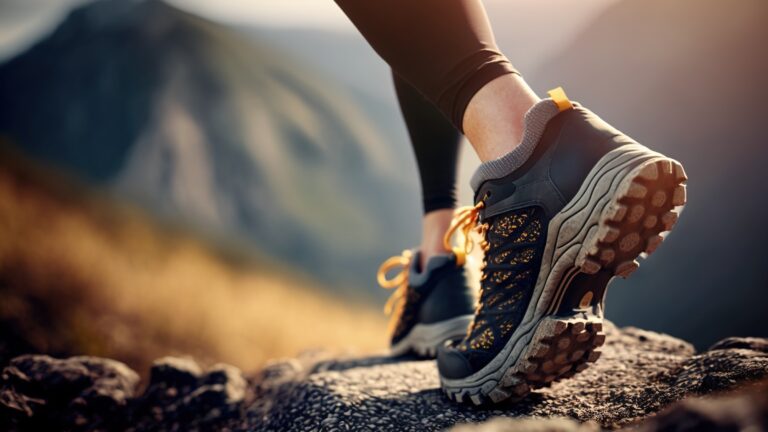
Chronic heel pain can plague many athletes. With the help of a few therapeutic movements and treatments, you can try to relieve your plantar fasciitis symptoms.
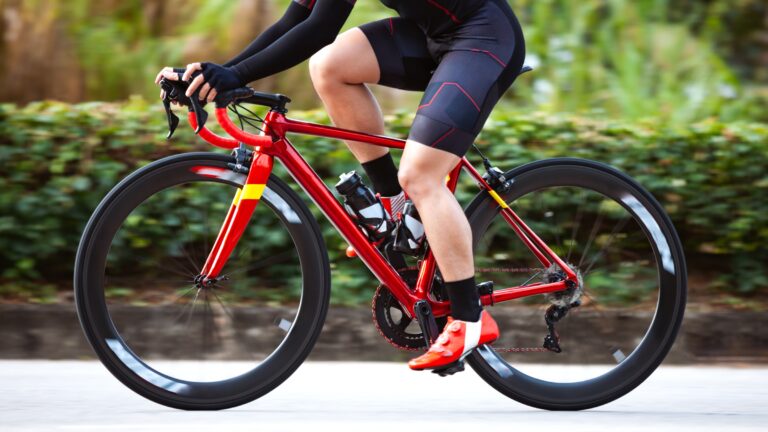
There’s conflicting and inconclusive evidence on how to properly treat IT band syndrome. We break down some of these common treatments so you can get back to your sport better than before.

An athlete’s rate of perceived exertion, or RPE, is one of the most underappreciated metrics. For ultra-athletes who are closely in touch with their bodies and minds, working with RPE is an essential component to training and racing.