What It Takes to Be an Olympic Triathlete
Fast Talk’s first live recording took place at USAT’s 2024 Endurance Exchange, where we spoke with two top coaches who are helping to build Team USA’s Olympic hopefuls.


Connor is an exercise physiologist, endurance sports coach, and raced in the professional cycling peloton for over 20 years.
Over the past two decades, Coach Connor has been fortunate to experience all sides of the cycling, endurance, and nutrition/health world. From his own experience racing the professional circuit, managing teams, coaching athletes of all levels, and writing for cycling and nutrition magazines, he brings a variety of knowledge and experience to Fast Talk Labs.
Connor raced in the pro peloton for nearly 20 years, getting on the podium at some of the largest races in North America. He started his coaching career working with the National Development program at Pacific Sport in Canada. From there he coached the Colorado State University Cycling team to number two in the country and worked with several semi-pro and amateur teams throughout Canada and the U.S.
From 2011 to 2020, he wrote the monthly training articles for VeloNews magazine. This is also where he first became the co-host of the popular training podcast Fast Talk.
From 2012-2014, Connor managed one of the top-ranked amateur teams in America, Team Rio Grande. He is an alumni of the 14-year program which includes several top finishers at Gran Tour events.
Connor’s master’s thesis advisor was Dr. Loren Cordain, the originator of the popular Paleo Diet. Connor has been the CEO of The Paleo Diet since 2018.
He founded Fast Talk Laboratories, LLC in 2019 where he continues the podcast and focuses on producing information on endurance sports training from top coaches, physiologists and professional athletes from around the world.
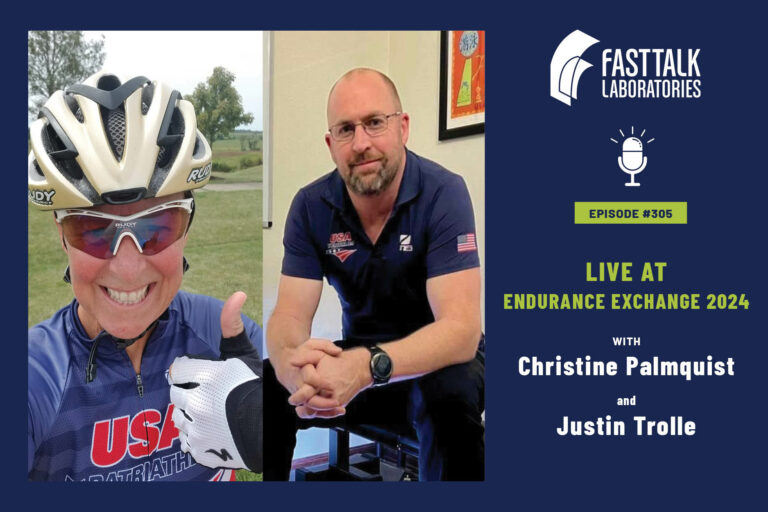
Fast Talk’s first live recording took place at USAT’s 2024 Endurance Exchange, where we spoke with two top coaches who are helping to build Team USA’s Olympic hopefuls.

In our second Basics episode, we talk about how oxygen travels from the air around us to our working muscles, covering everything from the lungs, blood, and heart, to how our working muscles grab that oxygen.
In this week’s potluck, we discuss our favorite ways to approach training in January, practical weight management tips after the holidays, and what to consider when trying a new endurance sport.

This workout is a strength builder.
For our 300th episode, our hosts – both old and new – are interviewed by Dr. Stephen Seiler to discuss where we’ve been and where we’re going.
In the very early days of Fast Talk, our hosts summarized – in only 20 minutes – how to map out your training week. In today’s episode we revisit that summary to see just how good a job we did back then.

Yoga is more than just stretching—it’s great for active recovery, flexibility, stability, and core work.
We are constantly inhaling particulate matter—not just from pollution, but from smoke, candles, and even cleaning chemicals. How does it impact our health?
In the early days of interval training research, it was hard not to come across the name of Dr. Véronique Billat who shaped much of our current understanding of interval training.
Block Periodization is one of the most sophisticated periodization models that’s producing big results for pros. But that doesn’t mean it’s right for everyone. Is it right for you?

This is a great workout to build your threshold power and really target the aerobic energy system.
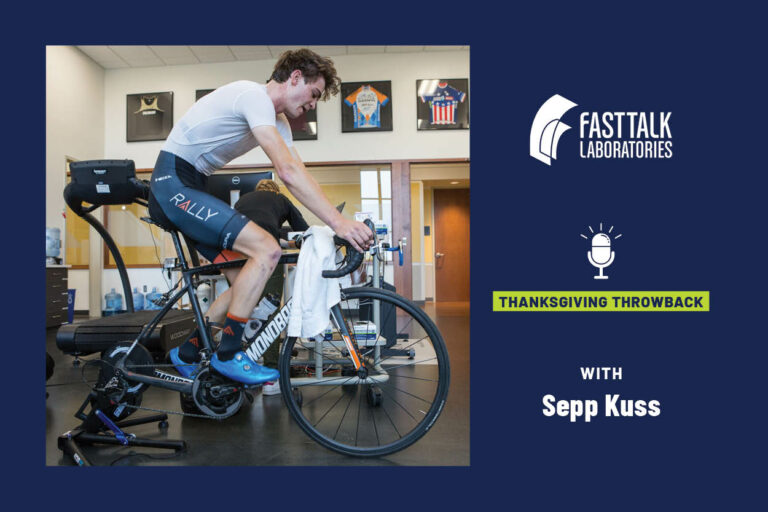
Let’s go back to a 2018 interview with this year’s Vuelta a España winner, Sepp Kuss, and hear about his jump to World Tour.
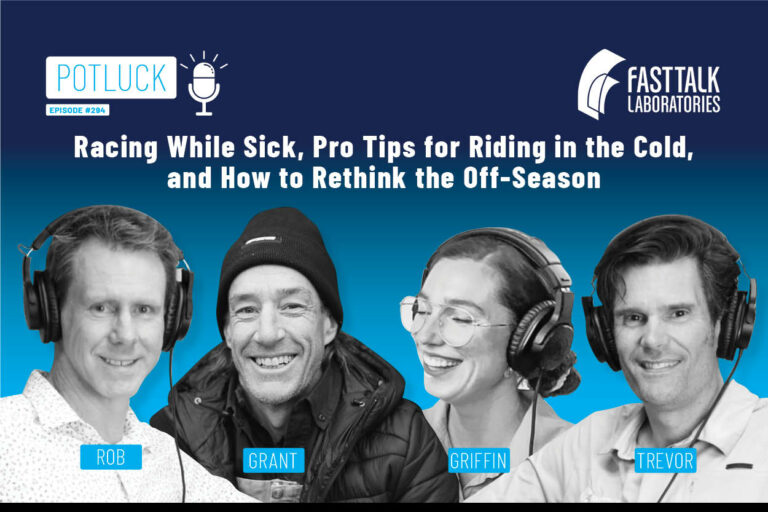
For this week’s potluck we discuss a host of questions, from getting sick during a target race, training in cold weather, and approaching the off season.

Gear up for a new Fast Talk Podcast series. First up: what are muscle fibers, what do we mean by slow-twitch and fast-twitch, and what are type IIa fibers? Our hosts cover everything you need to know about these all-important fibers.
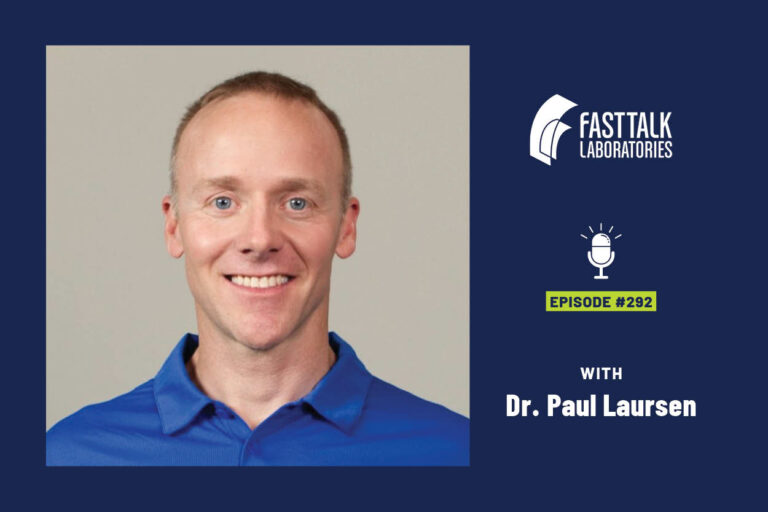
AI training software is here to stay. We talk with Dr. Paul Laursen about where it may go and how it may impact training and coaching in both good and potentially bad ways.

We dive into blood flow restriction, anti-aging supplements, post-activation potentiation, and the potential fringe training benefits you may never have even heard of.
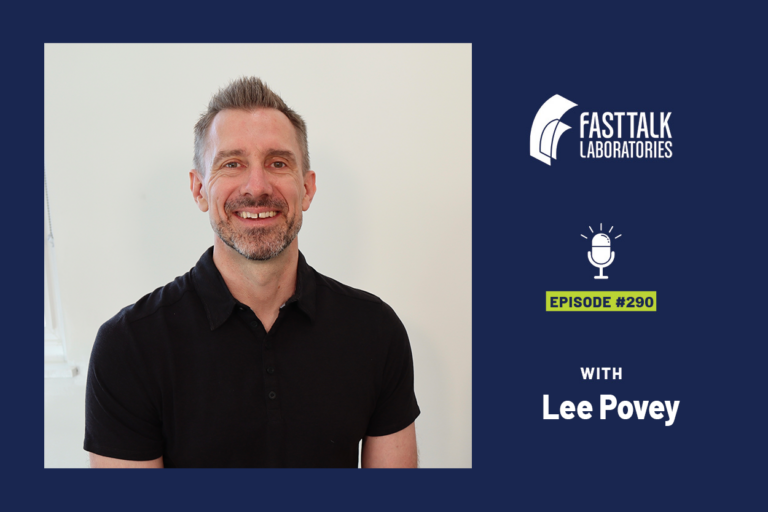
The modern coach often assumes their job is fundamentally self-sacrificing – the athlete always comes first. We talk about why changing that belief can make for a better coach.
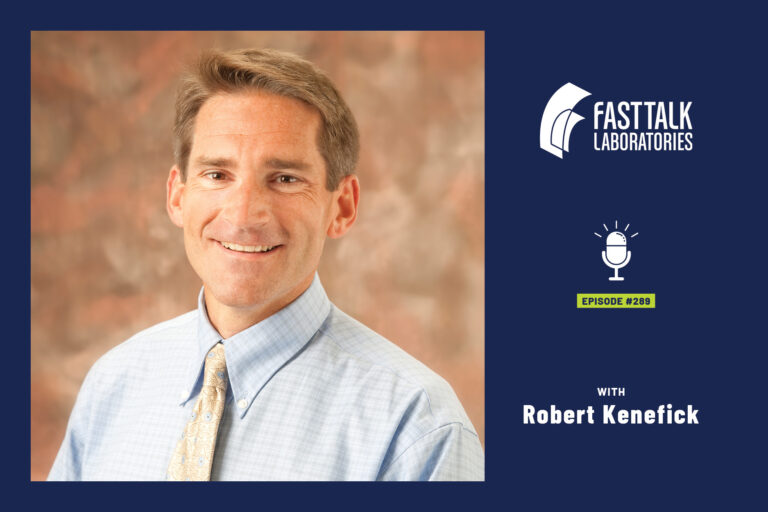
We talk with one of the world’s top hydration experts about the evolution of hydration science and how it has changed our sports drinks over the decades.