What Training Data Tells Us, and When to Ignore It
Crunching numbers is one thing, but if you want to turn data into victory, here are a few key things you should do and a few things to avoid.

Connor is an exercise physiologist, endurance sports coach, and raced in the professional cycling peloton for over 20 years.
Over the past two decades, Coach Connor has been fortunate to experience all sides of the cycling, endurance, and nutrition/health world. From his own experience racing the professional circuit, managing teams, coaching athletes of all levels, and writing for cycling and nutrition magazines, he brings a variety of knowledge and experience to Fast Talk Labs.
Connor raced in the pro peloton for nearly 20 years, getting on the podium at some of the largest races in North America. He started his coaching career working with the National Development program at Pacific Sport in Canada. From there he coached the Colorado State University Cycling team to number two in the country and worked with several semi-pro and amateur teams throughout Canada and the U.S.
From 2011 to 2020, he wrote the monthly training articles for VeloNews magazine. This is also where he first became the co-host of the popular training podcast Fast Talk.
From 2012-2014, Connor managed one of the top-ranked amateur teams in America, Team Rio Grande. He is an alumni of the 14-year program which includes several top finishers at Gran Tour events.
Connor’s master’s thesis advisor was Dr. Loren Cordain, the originator of the popular Paleo Diet. Connor has been the CEO of The Paleo Diet since 2018.
He founded Fast Talk Laboratories, LLC in 2019 where he continues the podcast and focuses on producing information on endurance sports training from top coaches, physiologists and professional athletes from around the world.
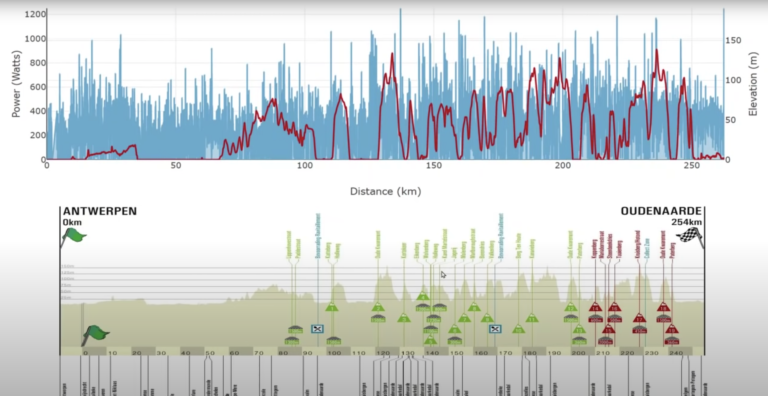
Crunching numbers is one thing, but if you want to turn data into victory, here are a few key things you should do and a few things to avoid.
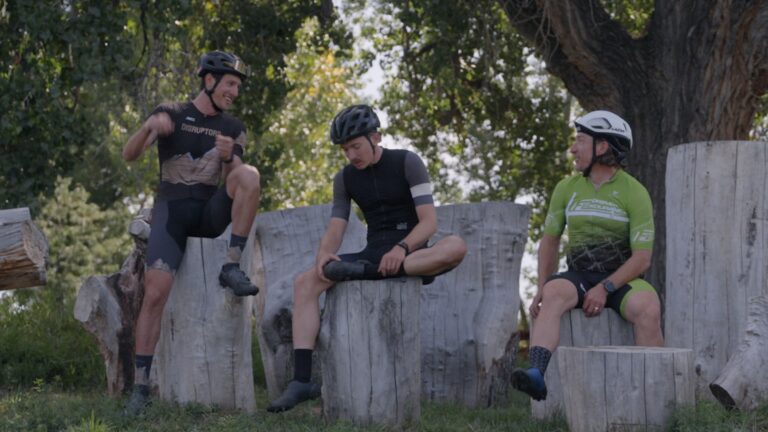
Ryan and Trevor field questions on max heart rate, TSS, recovery in athletes who only train 8-10 hours per week, protein consumption during ultra-endurance events, and more.

Pro mountain biker and coach Hannah Finchamp helps us field questions on time-crunched training, zone 1, interval design, and more.

We bring you our favorite conversations with exceptional guests from the worlds of physiology, medicine, nutrition, sports psychology, and, of course, cycling.
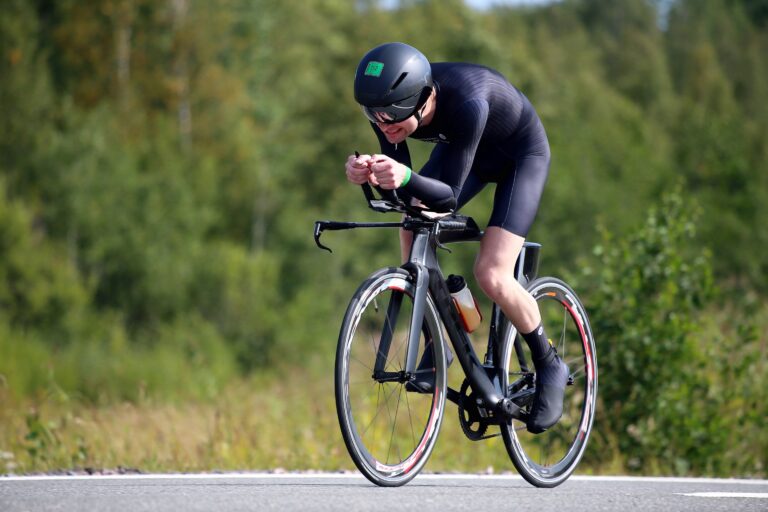
There is no lactic acid in the human body. That said, the burn we feel during hard efforts has a lot to do with acid.

Coach Ryan Kohler and Coach Trevor Connor dissect training data to help you understand how to look for signs of freshness before any interval session.
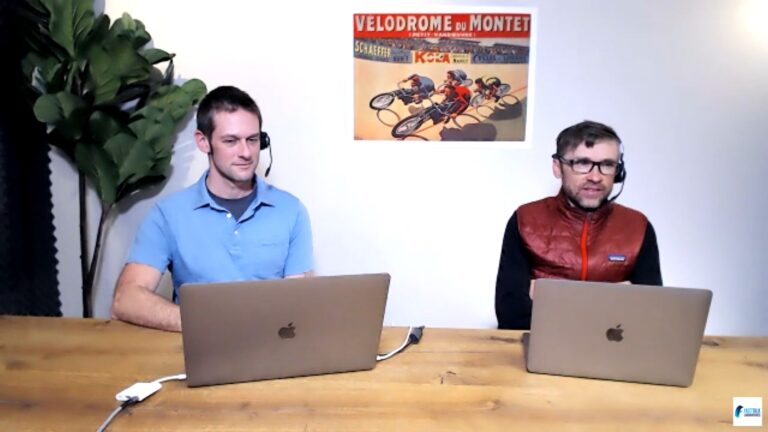
Ryan, Trevor, and Chris field questions on nutrition, strength training at home, the Hour Record, plyometrics, and more.

Yoga is much more than fancy stretching or breathing techniques—it can be a powerful tool to aid health and performance.

Head Coach Ryan Kohler and Trevor Connor share how to best set up your bike computer head unit with screenshots, button configs, and more.

The winter months aren’t for going fast, but for preparing the body for the real training to come this spring.

Ryan Kohler and Trevor Connor discuss some of the major myths and misconceptions in endurance sports nutrition.
Head Coach Ryan Kohler, Coach Trevor Connor, and Chris Case field questions on how to best execute 4×8-minute intervals, tips on creating micro training camps, and much more.

Certain physiological gains only happen after years of development. We discuss how to design training plans that look two or more years ahead.
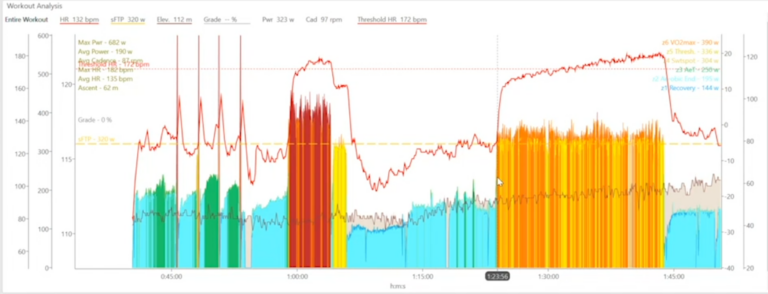
Coaches Trevor Connor and Ryan Kohler analyze data from 20-minute power tests, offering important lessons on the proper execution of these intervals.

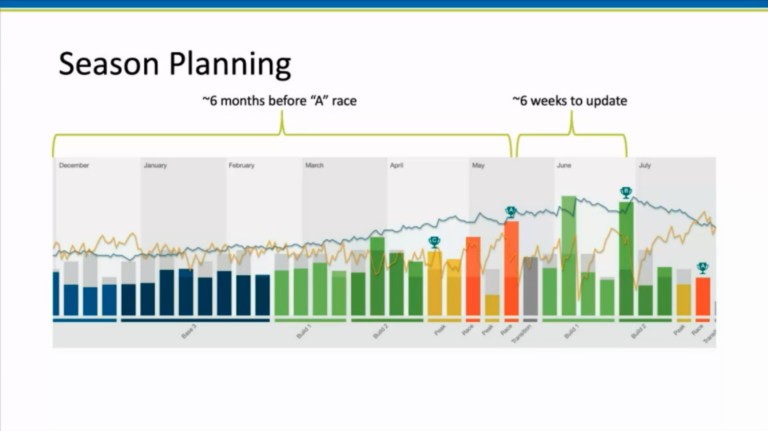
The offseason is the perfect time to assess our previous season, set goals and strategies for the coming season, and incorporate those into our training plans.
The best cyclists know that race-day nutrition must be planned—quantity, types of food, and timing that will best fuel your body for best performance.

Many athletes worry that they will lose fitness if they skip too many days of training. While detraining does occur over time, there are also many benefits to taking a break.

We believe modern coaching doesn’t optimally fulfill the needs of the modern athlete. That’s why we’re introducing our community, education, and coaching membership, Fast Talk Laboratories.