Q&A on Training Zones, Cyclocross, Weekly Planning, and Beer, with Alec Donahue
Coach Alec Donahue of Cycle-Smart helps us answer questions about training zones, cyclocross, weekly planning, and alcohol.

Connor is an exercise physiologist, endurance sports coach, and raced in the professional cycling peloton for over 20 years.
Over the past two decades, Coach Connor has been fortunate to experience all sides of the cycling, endurance, and nutrition/health world. From his own experience racing the professional circuit, managing teams, coaching athletes of all levels, and writing for cycling and nutrition magazines, he brings a variety of knowledge and experience to Fast Talk Labs.
Connor raced in the pro peloton for nearly 20 years, getting on the podium at some of the largest races in North America. He started his coaching career working with the National Development program at Pacific Sport in Canada. From there he coached the Colorado State University Cycling team to number two in the country and worked with several semi-pro and amateur teams throughout Canada and the U.S.
From 2011 to 2020, he wrote the monthly training articles for VeloNews magazine. This is also where he first became the co-host of the popular training podcast Fast Talk.
From 2012-2014, Connor managed one of the top-ranked amateur teams in America, Team Rio Grande. He is an alumni of the 14-year program which includes several top finishers at Gran Tour events.
Connor’s master’s thesis advisor was Dr. Loren Cordain, the originator of the popular Paleo Diet. Connor has been the CEO of The Paleo Diet since 2018.
He founded Fast Talk Laboratories, LLC in 2019 where he continues the podcast and focuses on producing information on endurance sports training from top coaches, physiologists and professional athletes from around the world.
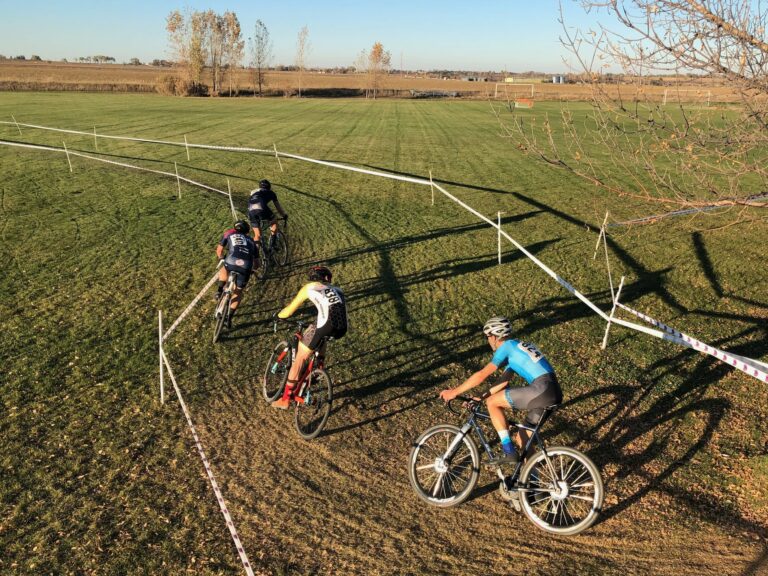
Coach Alec Donahue of Cycle-Smart helps us answer questions about training zones, cyclocross, weekly planning, and alcohol.
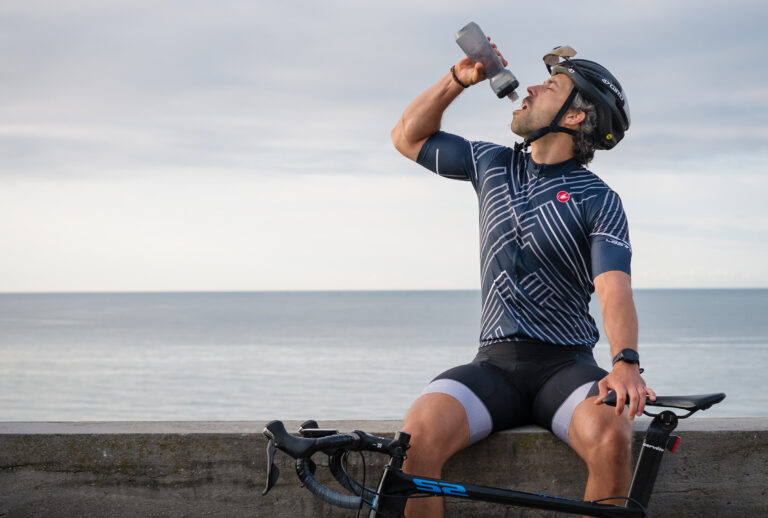
Sports nutrition for endurance athletes is controversial. With the help of experts like Dr. Asker Jeukendrup, Dr. Timothy Noakes, and Dr. John Hawley, we examine the science of fueling your body for performance and health.

Is it better to focus on one big race a year, or have several targets? Is performance or process more important when it comes to goal setting? Two Olympians help us tackle these complex questions.
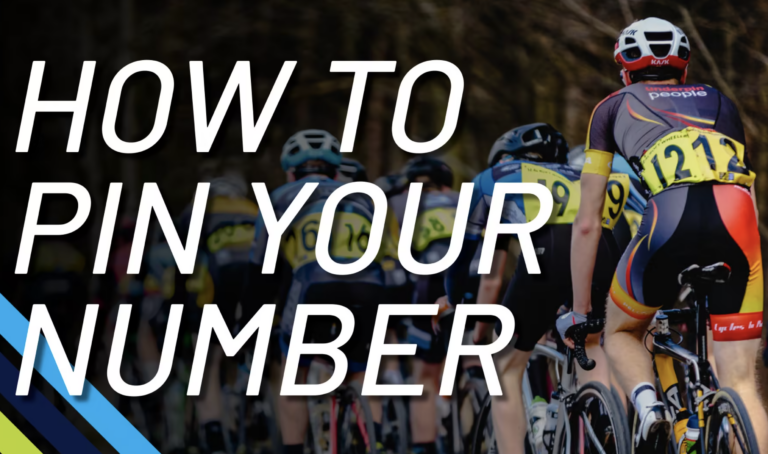
There are few things that irk Coach Connor more than a poorly pinned bib number. He walks you through the art of pinning—and looking pro.
Coach Wenzel helps answer questions on travel, final race prep, big gear work on LSD rides, pushing through exhaustion, and training races.
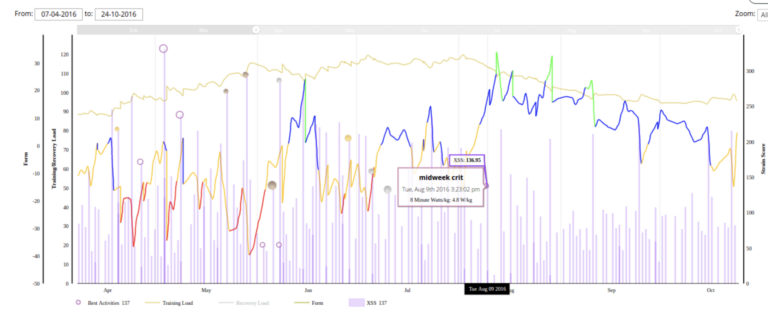
The interrelationship between form, fitness, and fatigue is the basis for quantifying training load. Performance Management Charts help athletes visualize and interpret that balance. Coach Trevor Connor explains the science.

TrainingPeaks is popular, but WKO5 is a much more powerful tool. Coach Trevor Connor has extensive experience with WKO and shares his favorite features.

For decades, weight management has relied on an assumption: that manipulating calorie intake will predict weight gain or loss. But does it actually work?
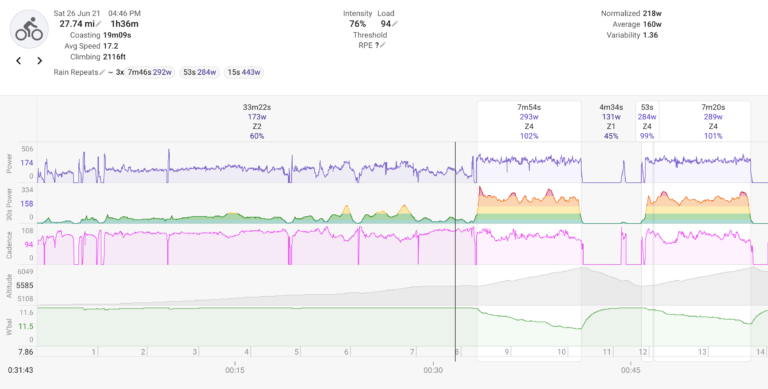
Physiologists and coaches have attempted to quantify training through both external and internal measures. We review the primary training metrics and detail the benefits and shortcomings of each.

Nerd Lab! In this episode, Mr. Pickels nerds out with Coach Trevor Connor for a deep dive into new scientific research findings.

Should we modify how, where, and when we train based on our potential exposure to pollutants?
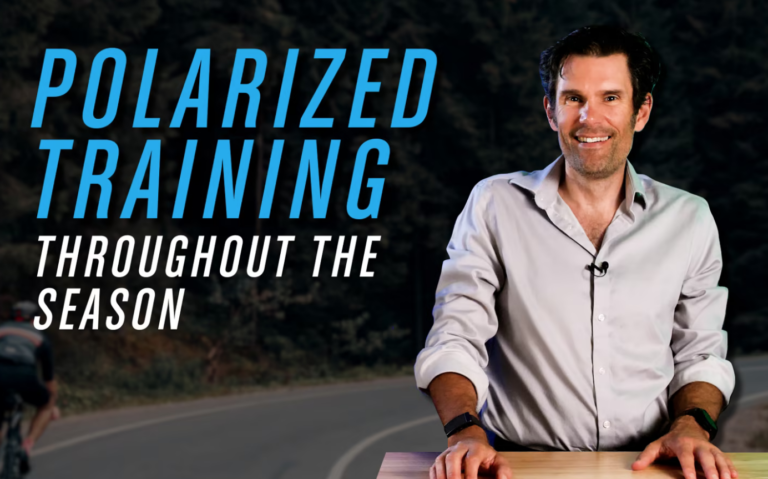
Coach Trevor Connor details how to apply the polarized training method and distribute intensity across your entire season.

With the help of CTS coach Renee Eastman, we field questions on injury, the power of consistency, weight vs. power, and fast-twitch fibers.
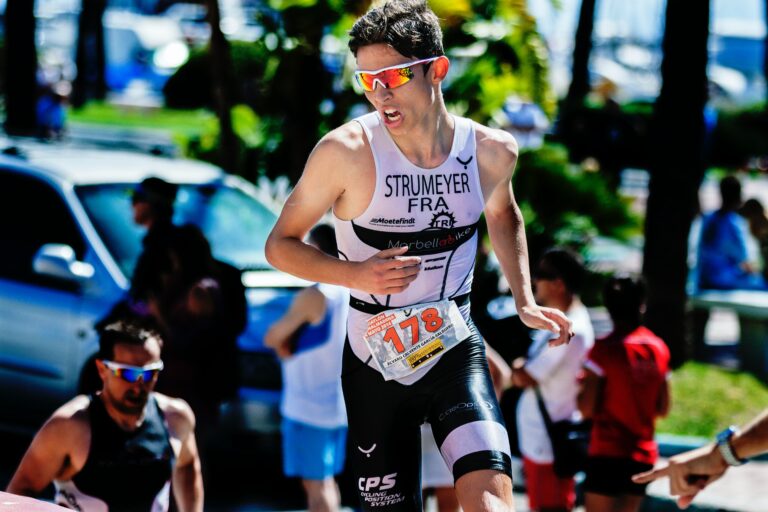
Endurance athletes inevitably face the challenges imposed by training and racing in the heat. How do our bodies respond, and what are ways that we can best prepare? Learn how to beat the heat with advice from Dr. Stephen Cheung, Dr. Stephen Seiler, and a range of experts and coaches.
Should you pay attention to the numbers on your head unit while you’re racing? If so, which ones, and when? We dive in with TrainingPeaks co-founder Dirk Friel.

HIT has many proven benefits and several big limitations. Trevor Connor explores how HIT works, its effects, and the most effective high-intensity interval workouts you can choose for specific gains.

High-intensity training offers many benefits. It also has limitations. We explore just how much HIT work you need to perform at your best.

Making a mid-season assessment of your training, and effectively modifying it (if needed), takes skill and confidence. We discuss how to do it, particularly when it comes to structure, recovery, limited time, and top-end form.