The 8 Golden Rules of Polarized Training
Sticking to 80/20 and training by heart rate are just two of the key polarized training rules you’ll want to follow.

Connor is an exercise physiologist, endurance sports coach, and raced in the professional cycling peloton for over 20 years.
Over the past two decades, Coach Connor has been fortunate to experience all sides of the cycling, endurance, and nutrition/health world. From his own experience racing the professional circuit, managing teams, coaching athletes of all levels, and writing for cycling and nutrition magazines, he brings a variety of knowledge and experience to Fast Talk Labs.
Connor raced in the pro peloton for nearly 20 years, getting on the podium at some of the largest races in North America. He started his coaching career working with the National Development program at Pacific Sport in Canada. From there he coached the Colorado State University Cycling team to number two in the country and worked with several semi-pro and amateur teams throughout Canada and the U.S.
From 2011 to 2020, he wrote the monthly training articles for VeloNews magazine. This is also where he first became the co-host of the popular training podcast Fast Talk.
From 2012-2014, Connor managed one of the top-ranked amateur teams in America, Team Rio Grande. He is an alumni of the 14-year program which includes several top finishers at Gran Tour events.
Connor’s master’s thesis advisor was Dr. Loren Cordain, the originator of the popular Paleo Diet. Connor has been the CEO of The Paleo Diet since 2018.
He founded Fast Talk Laboratories, LLC in 2019 where he continues the podcast and focuses on producing information on endurance sports training from top coaches, physiologists and professional athletes from around the world.
Sticking to 80/20 and training by heart rate are just two of the key polarized training rules you’ll want to follow.

Physiologist Rob Pickels nerds out with Trevor Connor on four recent studies that span a wide range of topics, from the benefits of percussive massagers for strength work to the impact of pregnancy on elite runners. Tune in to find out more.

Polarized training is all about building duration without incurring high stress. Where does your steady state break down and what can you do about it?

Neuroscience isn’t an exciting term, but it can be one of the most important factors in how well our muscles perform. We talk about this fascinating connection between mind and body with Dr. Scott Frey.

We have a wide range of odd and interesting topics for you in this week’s show.

Dr. Stacy Sims shares ways coaches and female athletes can adapt training to harness female physiology throughout their athletic lives.

In collaboration with Dr. Stephen Seiler, the “father of polarized training,” we have curated everything you need to know about the 80/20 training method.
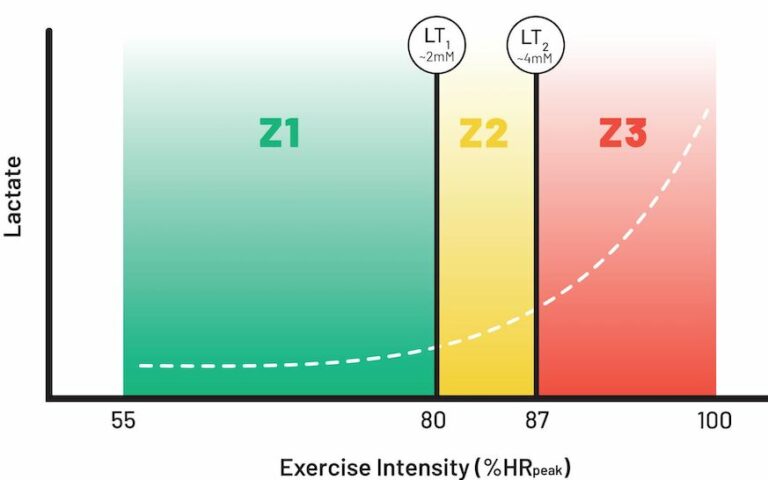
Polarized training is a case where science hustled to catch up with real-world results. Coach Trevor Connor explains how sport science misunderstood the physiology and inadvertently shifted the focus toward high-intensity training.
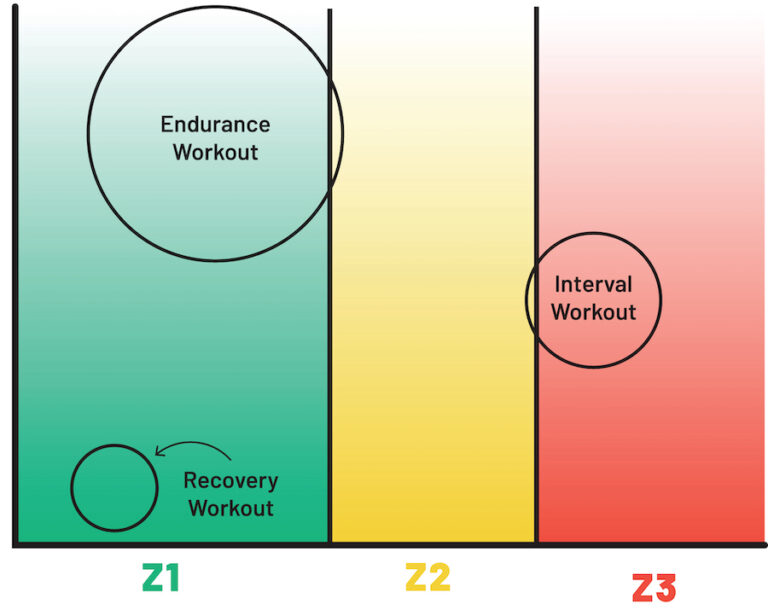
To truly polarize your training, you need to focus your training in two key zones. Coach Trevor Connor explains how this works for the sport of cycling, but the physiology applies to all endurance sports.
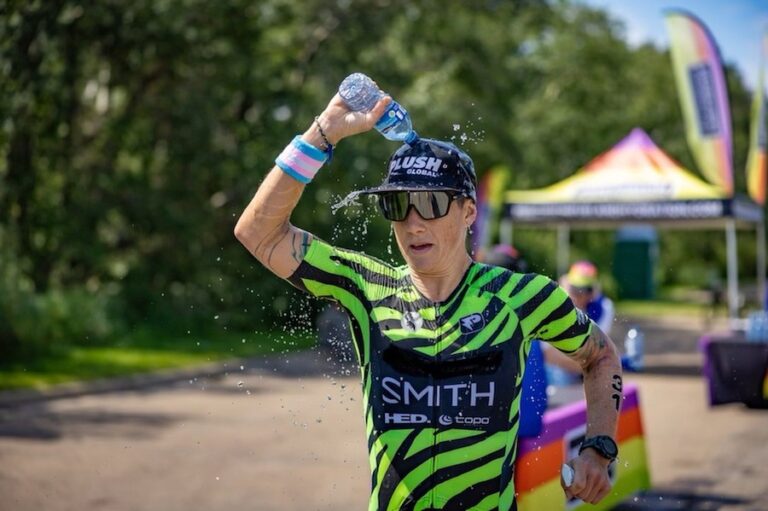
How do you reach the podium in not one sport, but three—and all in the same season? We chat with McBride and their coach, Mateo Mercur, to find out more.

In this week’s show, we talk about marginal gains in the Tour, how best to approach training races, and what to do if you encounter an emergency mid-ride.

We explore the best ways for endurance athletes to do VO2max workouts and threshold workouts with cycling coach Hunter Allen.
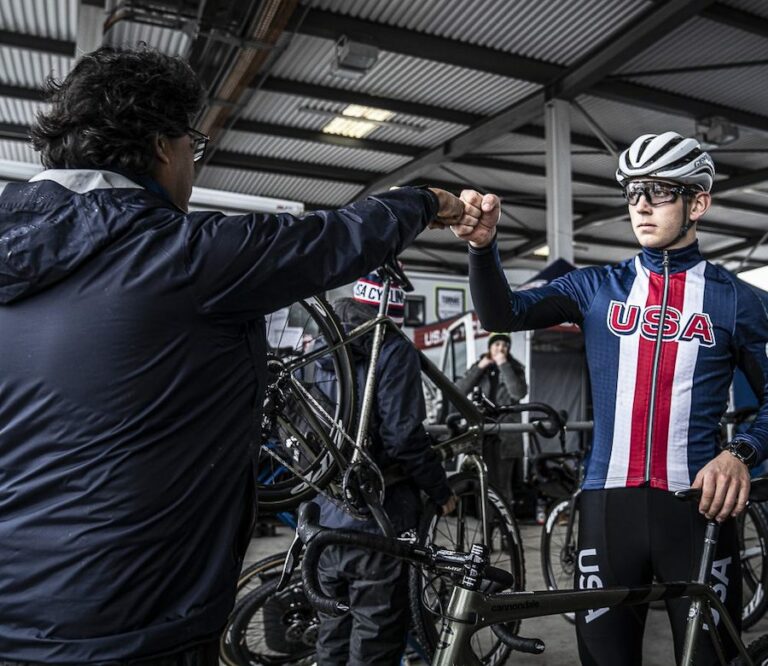
We explore the past, present, and future of coach education with Joe Friel and Jon Tarkington.

Not everything that happens to us at altitude is positive, nor do we all respond the same way. We discuss the ins and outs of altitude camps, and how to make sure you benefit from them.

Road racing has been on a decline, while virtual racing has been accelerating as a legitimate type of racing. We discuss what this means for both sports.
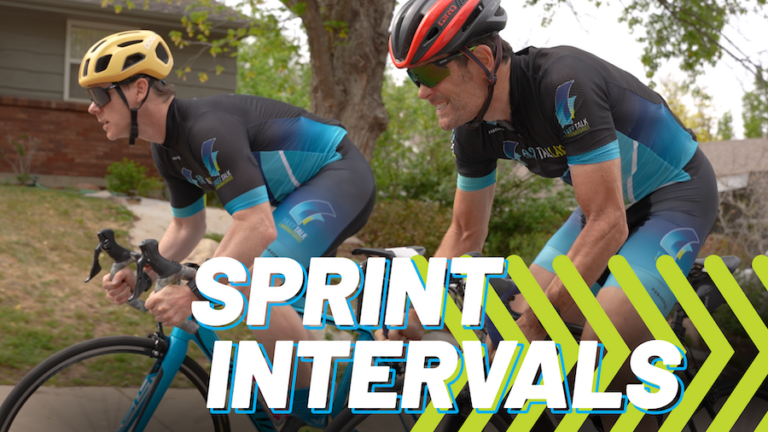
Trevor Connor and Rob Pickels run through one of their favorite sprint workouts, and share some helpful tips and tricks.

Our hosts continue their potluck discussion and talk about what’s the ideal mental state for performance, whether we should be consistent with our intervals or not, and why failure is so important for an athlete to experience.

We discuss the difference between nutrition and fueling, and why focusing on performance versus health can lead to very different dietary choices.