A Comparison of Polarized, Sweet Spot, and Pyramidal Training
Most popular training methods claim to build your aerobic engine, but the training to achieve that goal will look and feel very different.

Cycling training is a science and an art. How endurance athletes train, when they train, and the intensity and duration of that training all affect the gains and adaptations they see.
Proper interval execution is essential to see the expected progress. How you analyze and interpret all that data is equally valuable. Of course, training needs to be planned so it fits into any given season, race schedule, and lifestyle. Off the bike, the importance of strength and conditioning is often neglected.
This is training. This process is what athletes live for.
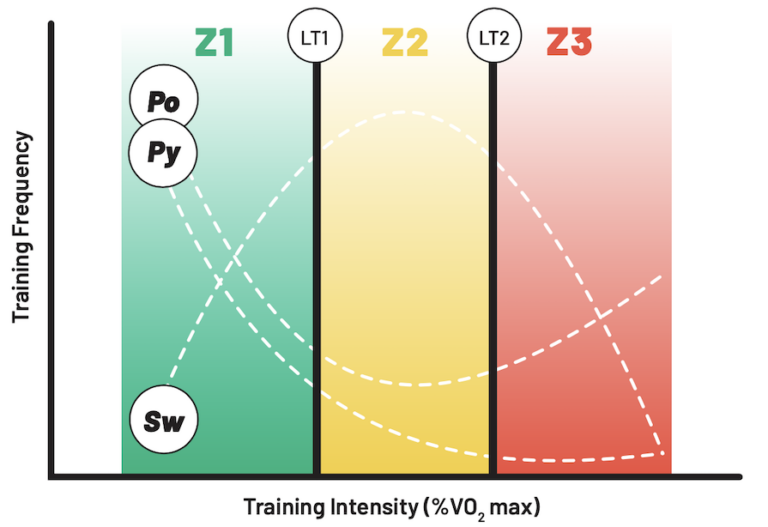
Most popular training methods claim to build your aerobic engine, but the training to achieve that goal will look and feel very different.
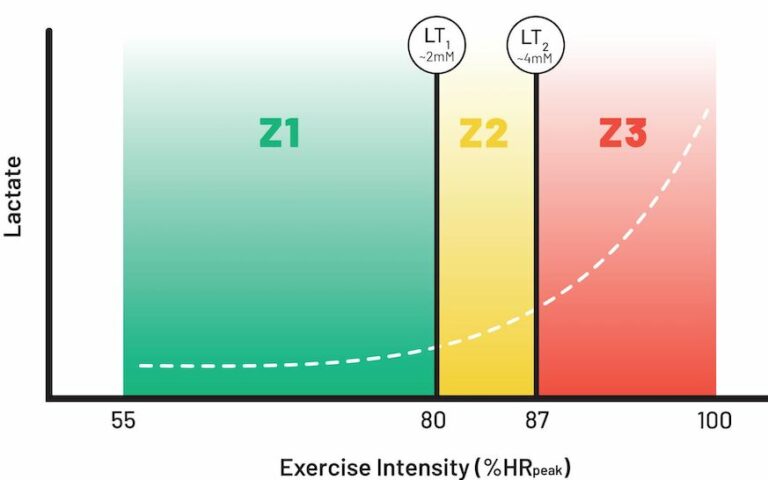
Polarized training is a case where science hustled to catch up with real-world results. Coach Trevor Connor explains how sport science misunderstood the physiology and inadvertently shifted the focus toward high-intensity training.
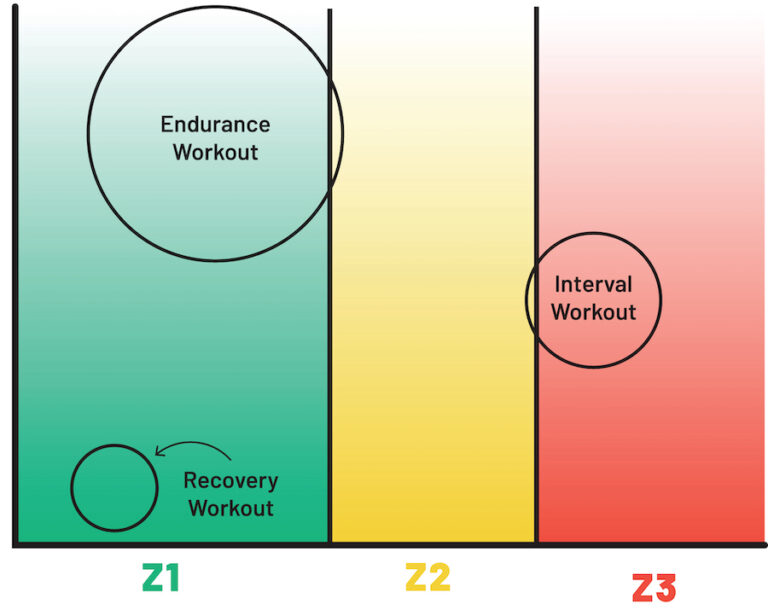
To truly polarize your training, you need to focus your training in two key zones. Coach Trevor Connor explains how this works for the sport of cycling, but the physiology applies to all endurance sports.

In collaboration with Dr. Stephen Seiler, the “father of polarized training,” we have curated everything you need to know about the 80/20 training method.
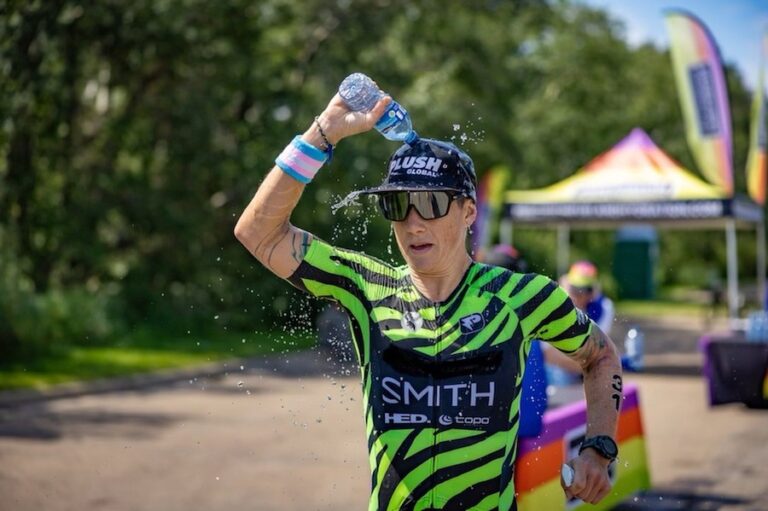
How do you reach the podium in not one sport, but three—and all in the same season? We chat with McBride and their coach, Mateo Mercur, to find out more.
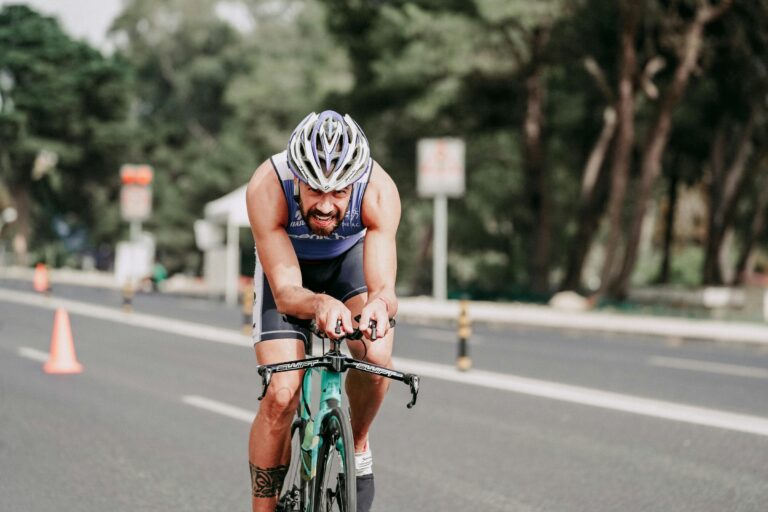
Triathlon can be a demanding sport—so how can you set yourself up for success? We asked former pro triathlete and six-time Ironman 70.3 champion Emma-Kate Lidbury to share her top tips.
Trevor Connor and Rob Pickels run through one of their favorite sprint workouts, and share some helpful tips and tricks.

Rob Pickels shows us how to do mountain bike intervals based on Dr. Seiler’s polarized training research.
World-leading environmental physiologist Dr. Stephen Cheung shows how to practice heat training in your own home and how to incorporate it into your annual training schedule.
In this workshop, find out whether the benefits heat training carry over to racing in temperate environments.
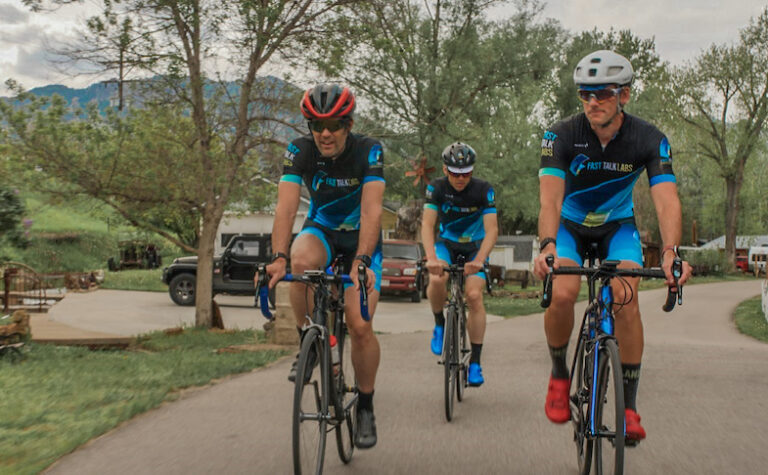
Fast Talk all-star guests including Dr. Iñigo San Millán, Kendra Wenzel, Joe Friel, Lennard Zinn, and Brent Bookwalter reveal their favorite workouts.
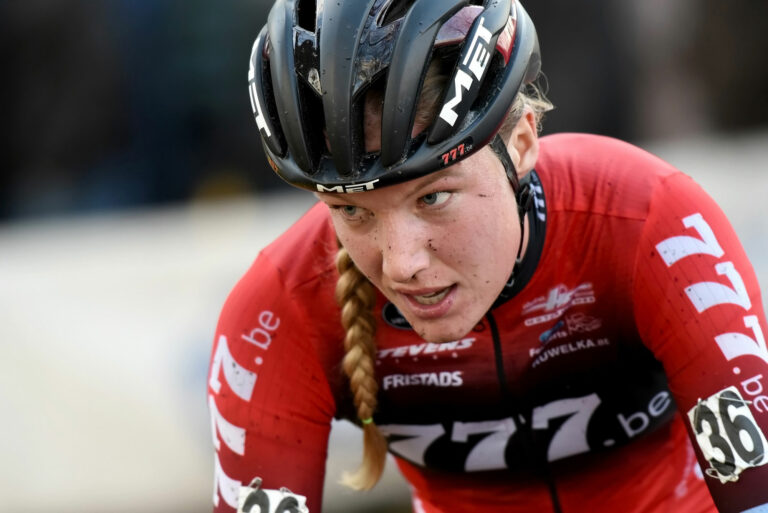
The very best athletes are as strong mentally as they are physically. In the Sport Psychology Pathway from Fast Talk Labs, we explore how to build mental skills with experts like Dr. Simon Marshall, Julie Emmerman, Grant Holicky, Lesley Paterson, and Julie Young.

Coach Ryan Kohler shows the right way to do a Tabata Intervals workout, based on the research of Dr. Izumi Tabata, and when to do Tabata workouts during your season.
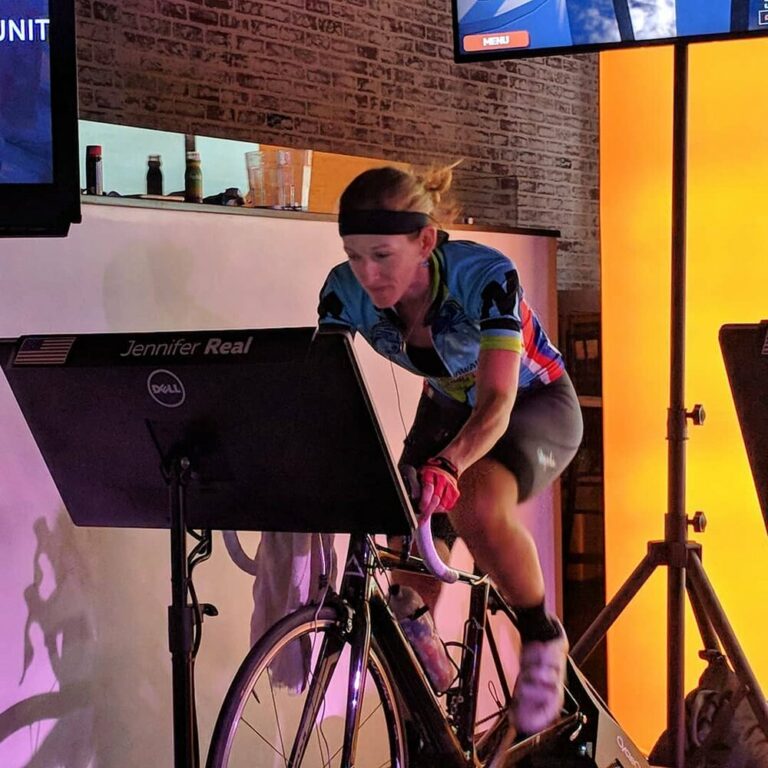
Medical doctor and elite Zwift team manager Jennifer Real talks with us about indoor training and racing, and how to achieve effective recovery including monitoring sleep and taking Vitamin D.

Trying to predict your performance can be nerve-wracking but in this era of training metrics and numbers, data can tell you a lot.
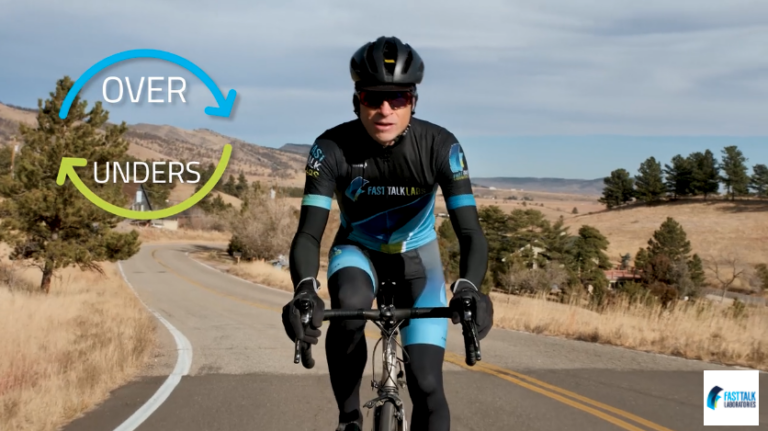
Chris Case explains a simple way to do over-under cycling interval workouts.

Coach Ryan Kohler demonstrates how to analyze ride data from a gravel workout with a high aerobic strain.
If you consider yourself a time-crunched athlete, how do you make the most of that time and incorporate HIIT into the plan?