Pelvic Floor Dysfunction in Male Endurance Athletes
The repetitive motion of most endurance sports exposes the body to overuse injuries and imbalances, particularly within the often ignored pelvic floor.

It’s often overlooked, and sometimes altogether forgotten. But it never should be. Recovery is just as important to strong performances as your daily workouts and weekly riding volume. That’s because recovery is when adaptation happens. Learn how to master this critical and often overlooked side of the training balance equation.
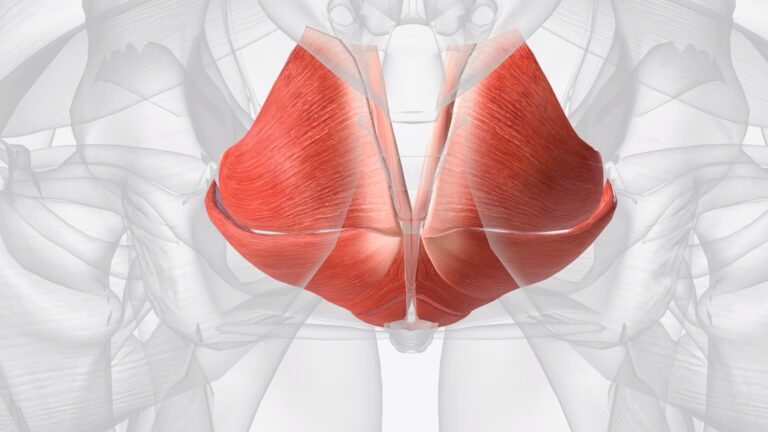
The repetitive motion of most endurance sports exposes the body to overuse injuries and imbalances, particularly within the often ignored pelvic floor.

We discuss how to find solutions when you’re dealing with injuries without an obvious cause, then we review new research that demonstrates that changes in progesterone, estrogen, and testosterone do not negatively impact performance in males or females.
A healthy gut and appropriate inflammation are critical to our training, but finding the right balance is challenging. Cardiologist Dr. Fred Chaleff discusses the ways we can all find equilibrium.
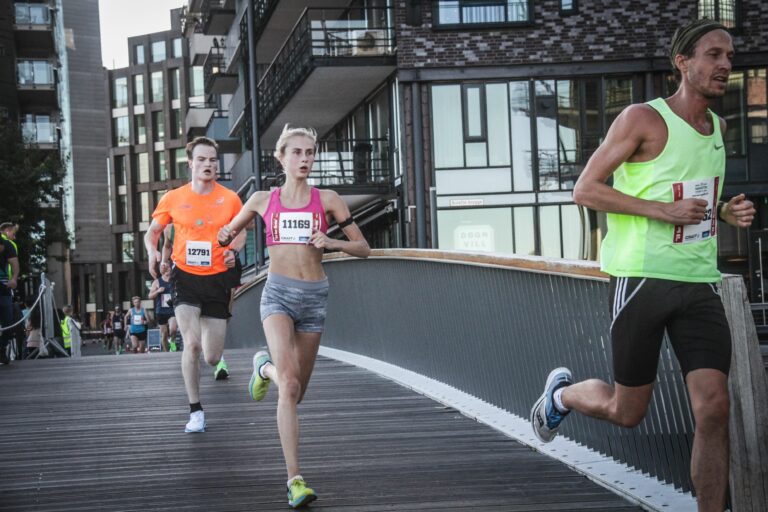
Former elite distance runner Siren Seiler-Viken exposes the truth about focusing on light racing weight: performances will suffer and health will deteriorate.
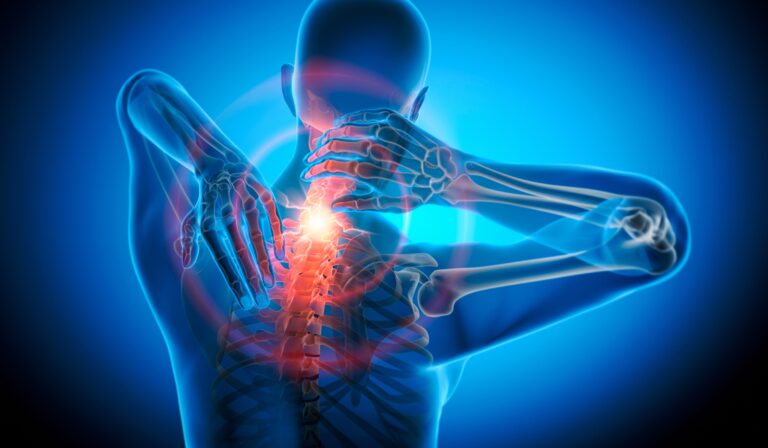
Physical therapist Carol Passarelli reveals the truth about “tight upper traps” in cyclists, what the usual causes are, and how to fix neck pain.

In this week’s potluck episode, we discuss whether there is a true ceiling to our potential, whether there’s a value in “wintering” or taking time off, and what cross training our hosts recommend.

Two new studies challenge common assumptions: intensity may matter more than volume for healthy aging, and triathlete injury patterns aren’t what most coaches would predict. We unpack what this means for training prescription, and why neuromuscular and strength work belong in every plan.
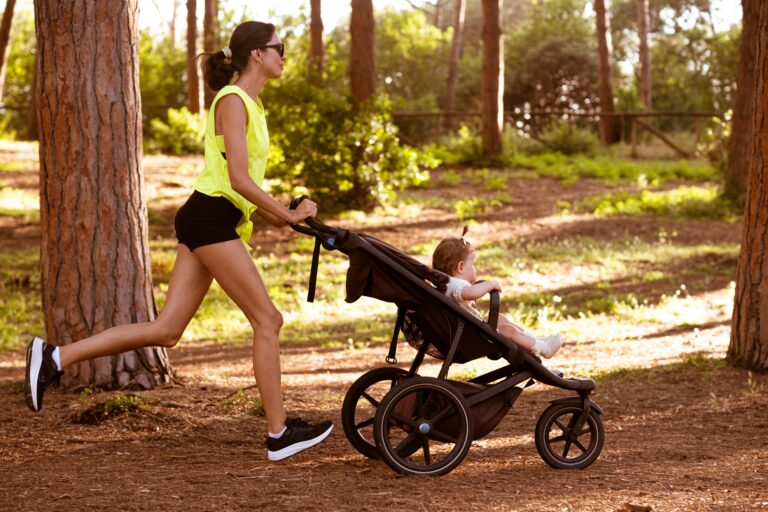
These are the activities you can expect to be able to do—and not do—in the first six weeks postpartum.
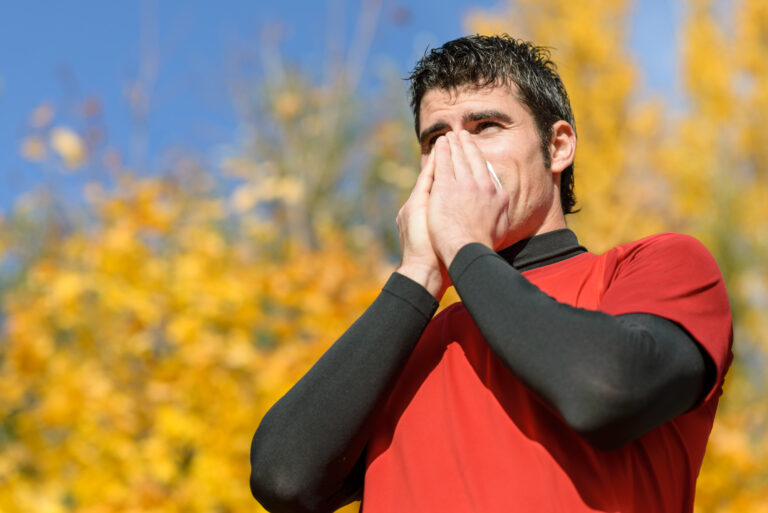
The closer we get to peak fitness, the more vulnerable we may become to illness. We explore how to prevent illness, and how to train effectively when it strikes.
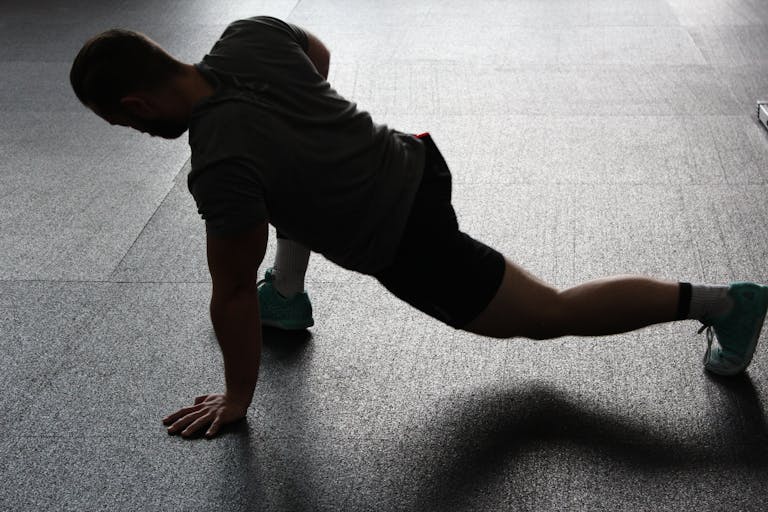
In part 2 of our series on movement literacy for cyclists, Dr. Stacey Brickson delves into mobility and flexibility to make you a healthier cyclist.
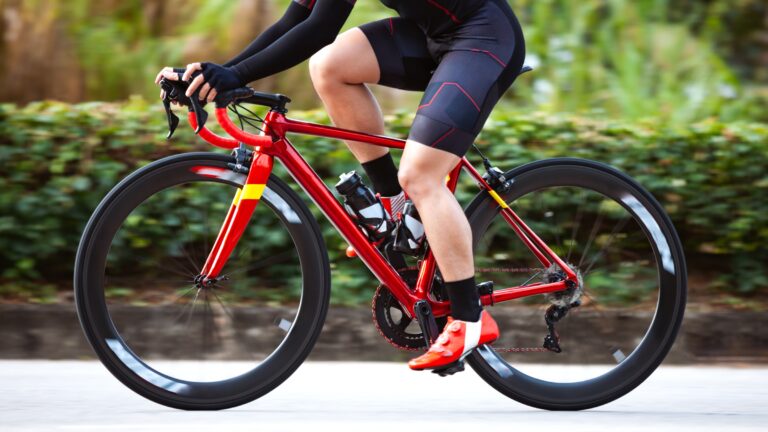
There’s conflicting and inconclusive evidence on how to properly treat IT band syndrome. We break down some of these common treatments so you can get back to your sport better than before.

An athlete’s rate of perceived exertion, or RPE, is one of the most underappreciated metrics. For ultra-athletes who are closely in touch with their bodies and minds, working with RPE is an essential component to training and racing.
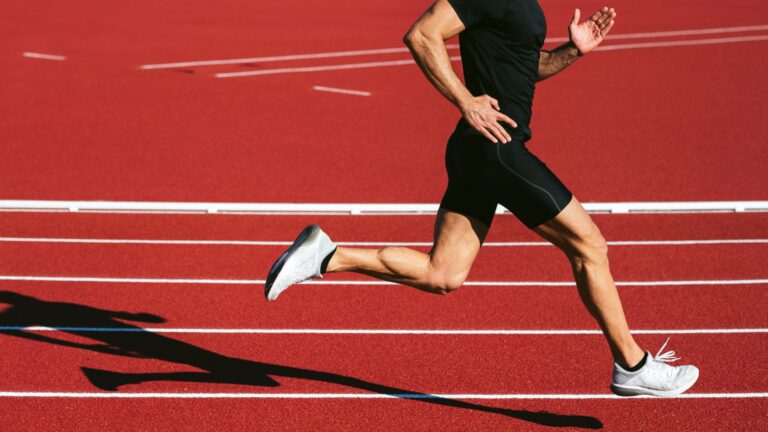
Increasing your mileage may also lead to an increase in knee pain. Learn about runner’s knee and how you can alleviate your pain at home.
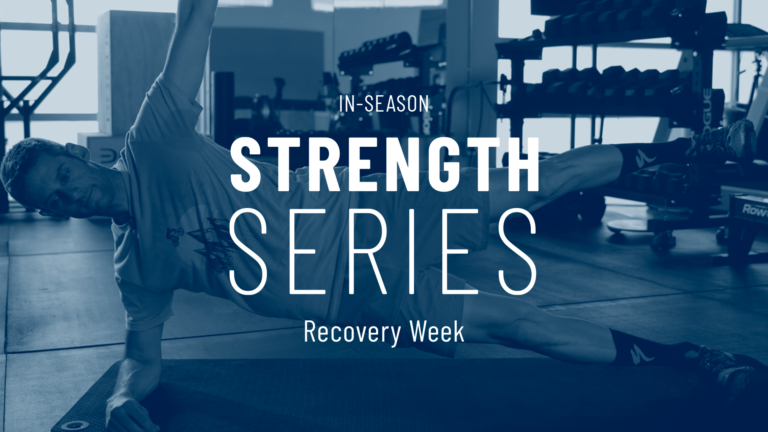
These exercises will keep the body moving and blood flowing during your in-season rest weeks.

Siren Seiler talks about how building a life outside of running helps her navigate some tough times in her athletic career.
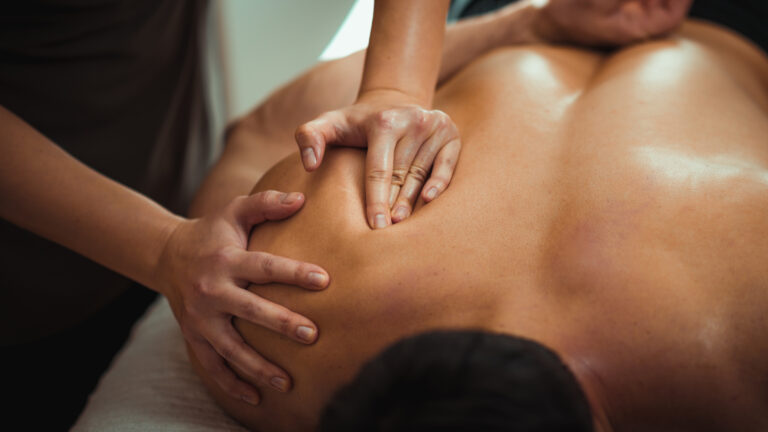
There’s more to recovery and injury prevention than just getting a massage. We’ve got the lowdown on several types of manual therapy so you can better understand the pros and cons of each.

Pain is part of the privilege of endurance sports. It’s how you know you’re pushing your limits. But how do you know when it’s really time to stop? We ask a PT for her advice.

Moving well is the key to consistent training, but what are the key areas of mobility for endurance athletes? We find out in this video interview with strength coach Erin Carson.