Pelvic Floor Dysfunction in Male Endurance Athletes
The repetitive motion of most endurance sports exposes the body to overuse injuries and imbalances, particularly within the often ignored pelvic floor.

Humans aren’t machines—we’re much more complicated. Exercise physiology involves changes in the body from exercise and rest.
From anaerobic threshold to environmental acclimatization, from FTP to PGC-1 alpha, we explore the science of human performance.
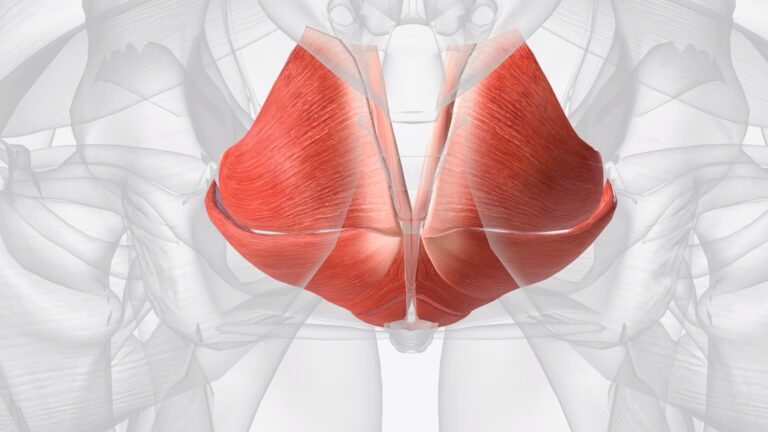
The repetitive motion of most endurance sports exposes the body to overuse injuries and imbalances, particularly within the often ignored pelvic floor.

We discuss how to find solutions when you’re dealing with injuries without an obvious cause, then we review new research that demonstrates that changes in progesterone, estrogen, and testosterone do not negatively impact performance in males or females.

A healthy gut and appropriate inflammation are critical to our training, but finding the right balance is challenging. Cardiologist Dr. Fred Chaleff discusses the ways we can all find equilibrium.

Based on their recent research article, the Seilers discuss the proliferation of training zone systems and compare them to the highly touted Norwegian five-zone model.

Purists say never do efforts on long base rides, but recent research is challenging whether a few efforts really do any harm. More importantly, can doing some neuromuscular work help?

In this week’s potluck episode, we discuss when and how to best use average power from our rides, whether there’s a ceiling to our VO2max capacity, and how we can replicate success from season to season.

Athletes can now perform sweat analysis, check skin temperature, and monitor insulin in the field. But should they? We review the latest in nutrition technologies. We also talk about the potential adverse impacts of carbohydrates and caffeine on our health.
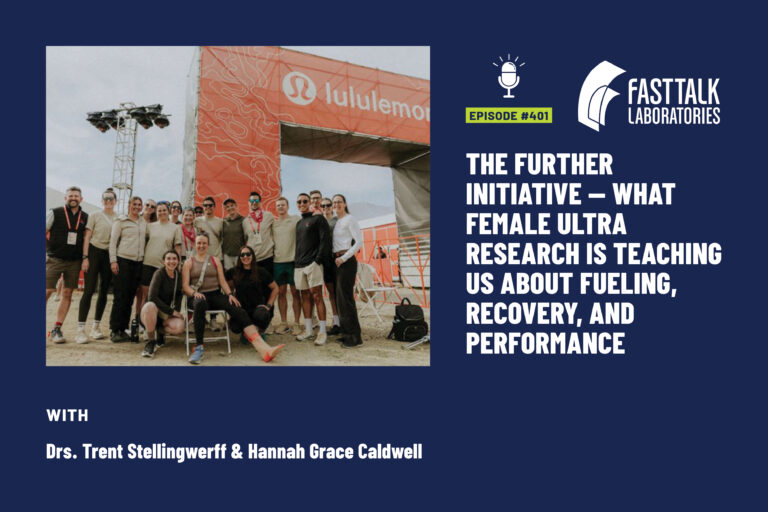
This episode highlights the Further Initiative — a groundbreaking research project on female ultra-endurance athletes conducted in partnership with Lululemon and the Canadian Sport Institute Pacific.
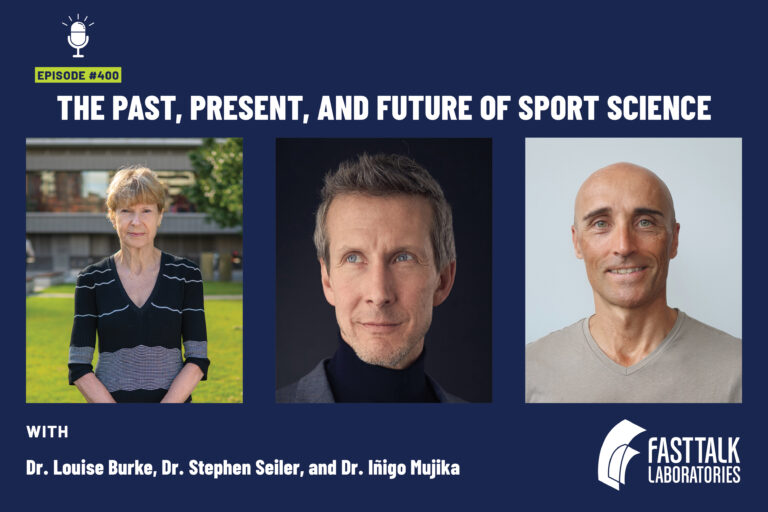
For our 400th episode we invited three of the most prominent names in exercise physiology to discuss where we are and where we’re going in endurance sports science.
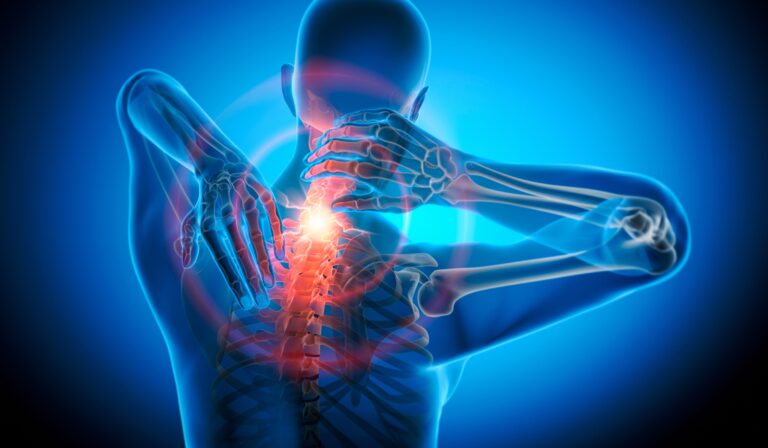
Physical therapist Carol Passarelli reveals the truth about “tight upper traps” in cyclists, what the usual causes are, and how to fix neck pain.

In this week’s potluck episode, we discuss whether there is a true ceiling to our potential, whether there’s a value in “wintering” or taking time off, and what cross training our hosts recommend.
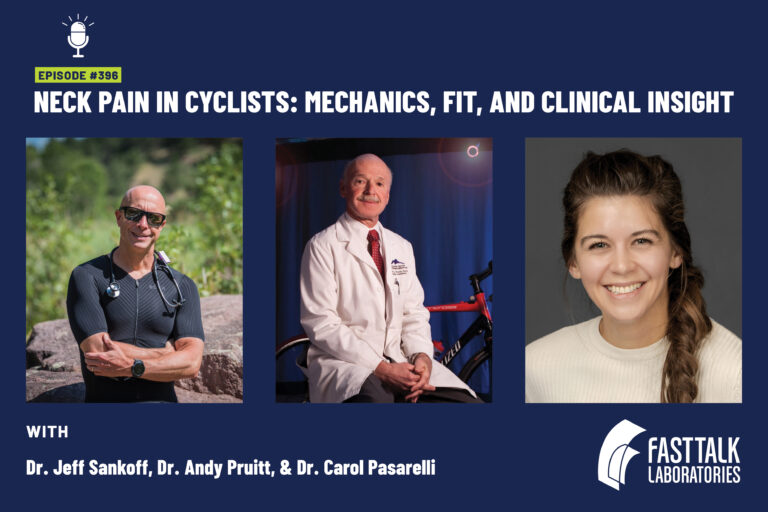
Experts in medicine, biomechanics, and physical therapy join Dr. Griffin McMath and Trevor Connor to decode the causes of neck pain in cyclists and the strategies that keep athletes strong, steady, and pain-free over the long haul.

We unpack what pain really means in endurance sport and how ultra-athletes use interoception, mindset, and adaptive coping (vs. maladaptive spirals) to finish stronger—less suffering, more control.
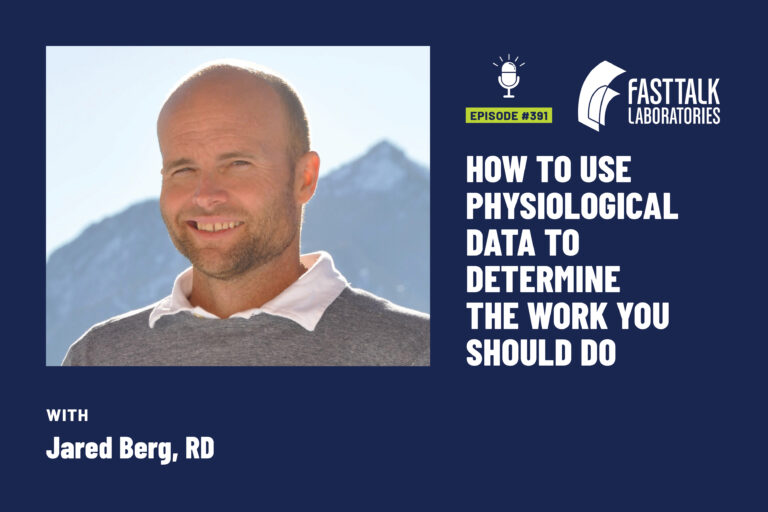
Physiologist Jared Berg talks with us about how he uses both in-lab and on-the-road testing to determine what type of work an athlete should focus on.

Discover what happens to your body when you stop training. Dr. Iñigo Mujika explains detraining effects and how athletes can manage time off.

Zone 2 training has become all the rage, but a 2025 review is taking a step back and questioning whether it really produces the gains we thought it does.
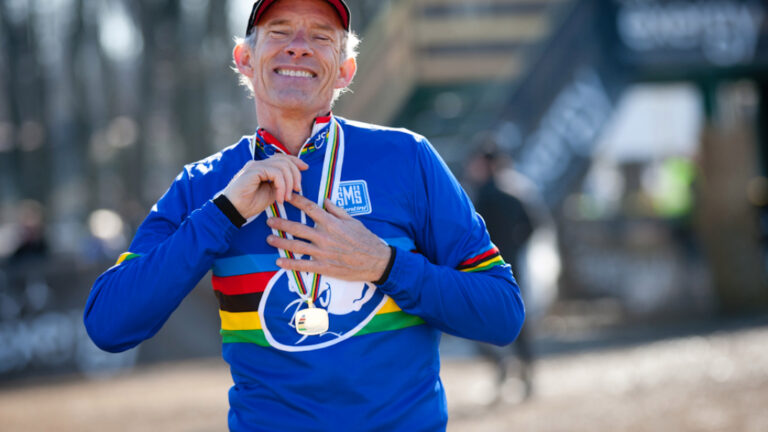
Age-related declines in performance are not as inevitable as you think.

We explore the best ways to stay active, safe, and comfortable as child birth nears.