What Is a Biopsychosocial Approach to Coaching?
We are products of our social, mental, and biological processes, but what does this mean for coaches and athletes? Andy Kirkland explains how to adjust training for better results.

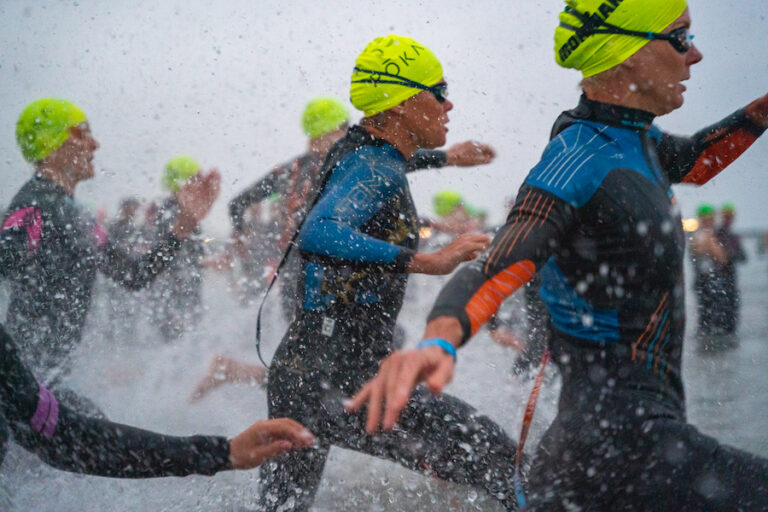
We are products of our social, mental, and biological processes, but what does this mean for coaches and athletes? Andy Kirkland explains how to adjust training for better results.

Sport psychology is proving to be just as important—if not more so—than physiology, but how do you incorporate it into your coaching for the benefit of you and your athletes?
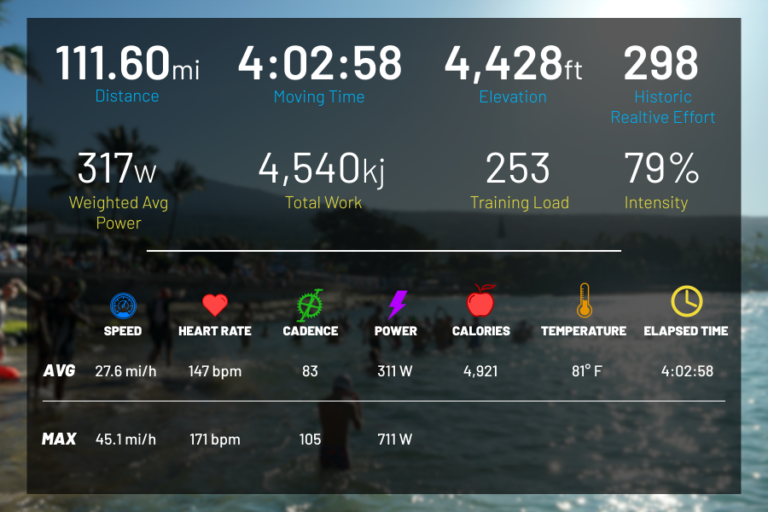
Sam Laidlow took almost five minutes off the bike course record at the Ironman World Championship. We do a deep-dive analysis on his power file to find out how he did it.

Ironman Kona vs. Leadville 100. We ask athletes who have raced both and offer tips for success at each.

Heat, humidity, wind, pacing—we take a look at some of the factors that affect success at the Ironman World Championship in Kona.

Get the right mix of intensity at the right time and polarized training pays off. Take a disciplined approach for best results.
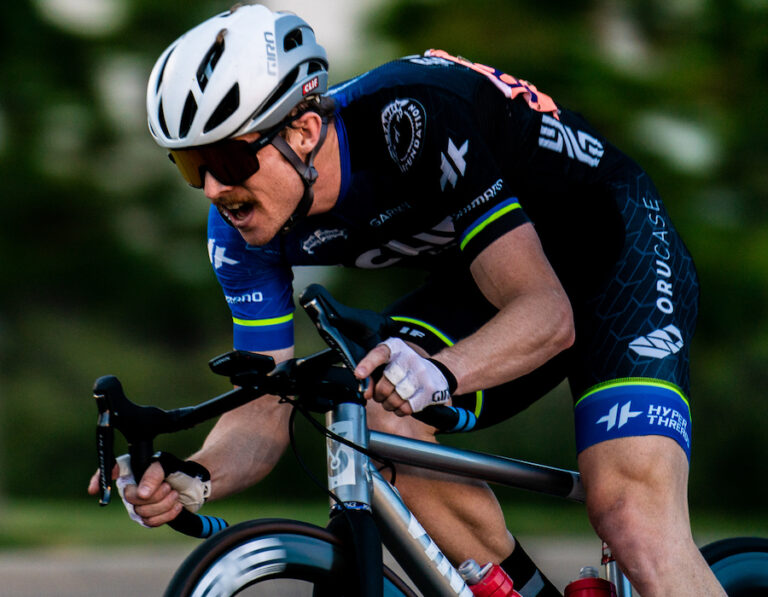
The concepts of central and peripheral conditioning help explain why an effective training base period leads to speed and durability in the race season.
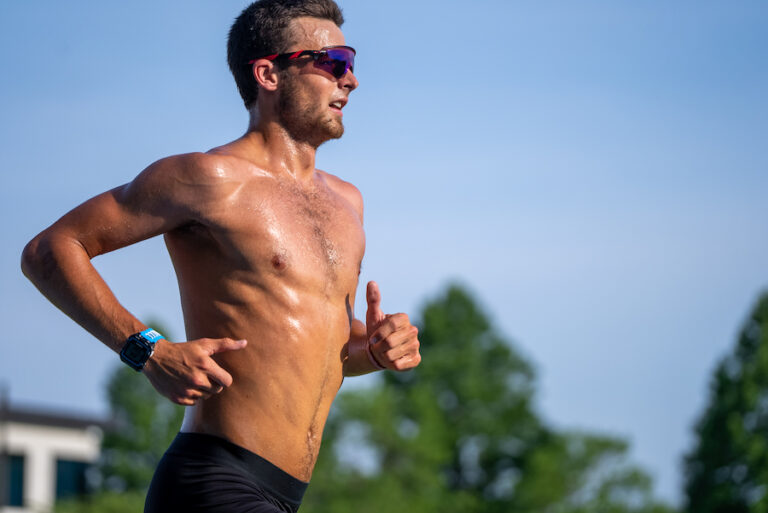
Sticking to 80/20 and training by heart rate are just two of the key polarized training rules you’ll want to follow.
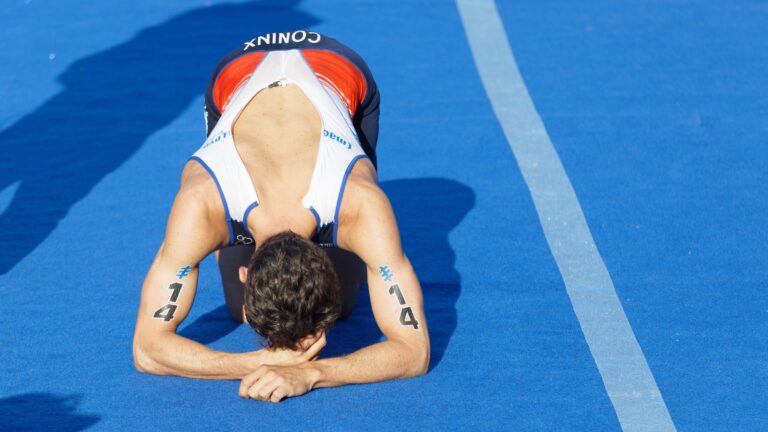
Polarized training is most successful when your body is ready for high-intensity sessions. Understanding how your autonomic nervous system works can help you time it right.

Polarized training is all about building duration without incurring high stress. Where does your steady state break down and what can you do about it?

He’s coached some of the biggest names in distance running and underpinning a large amount of his success was his capability to be versatile.
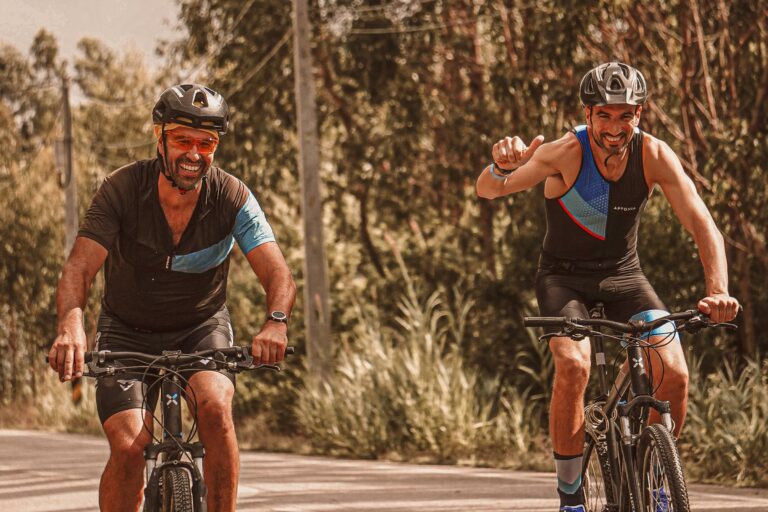
Coach Scott Saifer discusses what it takes to work with athletes who might lack ability or motivation, or both.
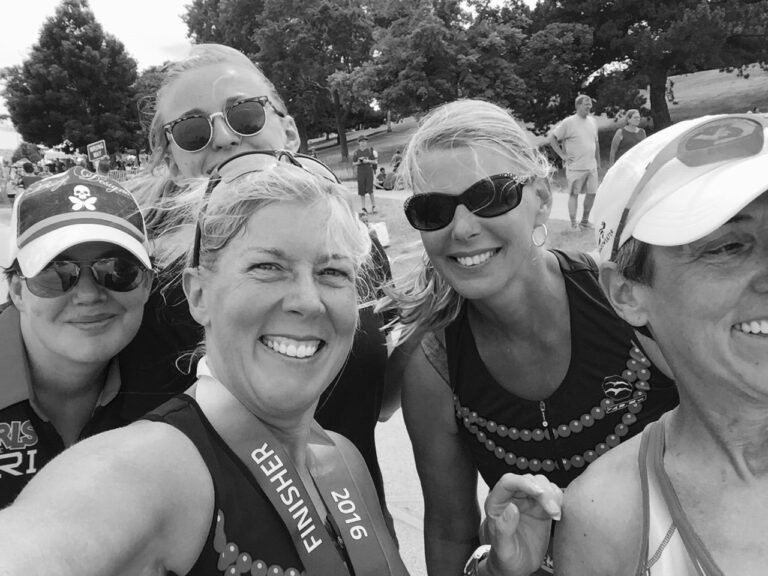
By coaching athletes of all levels and aspirations, Christine Schirtzinger has learned how to build a better business—and be a better coach.
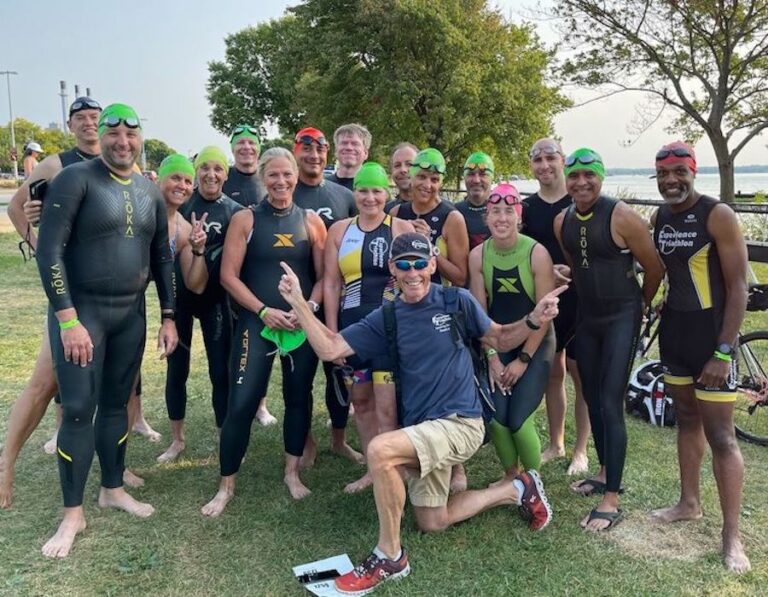
Whether it’s the last person to cross the finish line or the ones standing on the podium, Coach Joe LoPresto believes all athletes are more alike than different.
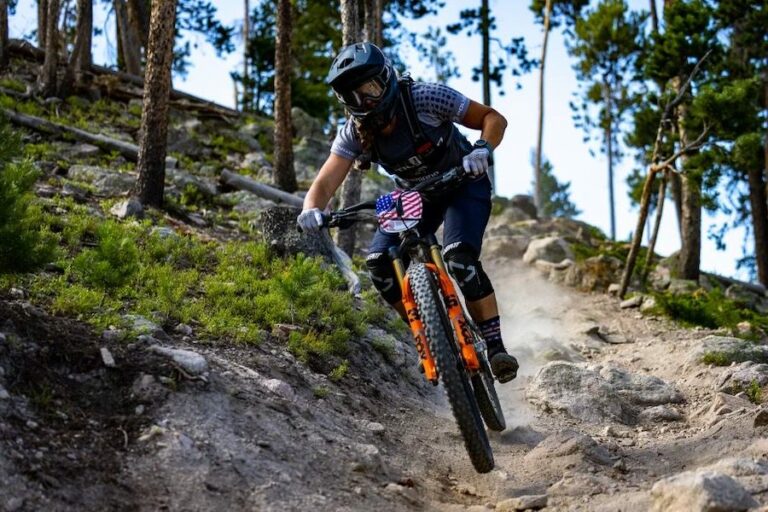
Every coach wants to work with athletes who possess both talent and motivation in spades. In reality, your clients are probably lacking in one or the other. Consider how your coaching style might be suited to a particular athlete type, and whether your client list reflects this.

As a coach, you are in the business of addressing the weaknesses that stand in the way of the athlete’s goal. Because every athlete is unique, no two plans should ever be the same.

What does polarized training look like for triathletes? Find out with coach Ryan Bolton’s tri-specific swim and run workouts.

Intensity can be a slippery slope for endurance athletes—there is a temptation to push harder and longer. The real recipe for performance might entail some new priorities.