Workout of the Week: Increasing Rest Sprintervals
Looking to keep some high-intensity work in your training? Check out this indoor trainer interval workout.


Looking to keep some high-intensity work in your training? Check out this indoor trainer interval workout.

Looking to increase your run mileage and stay injury-free? The work starts in the gym—and we’ve got all you need to know to do it.

Build your run-specific strength and power with this hills session from Olympian and elite coach Ryan Bolton.

We have a holiday-themed bike session that’s ideal for cyclists and triathletes.

Training at this time of year can be tricky. We’re here to help you with our top 10 tips for success during the off-season.
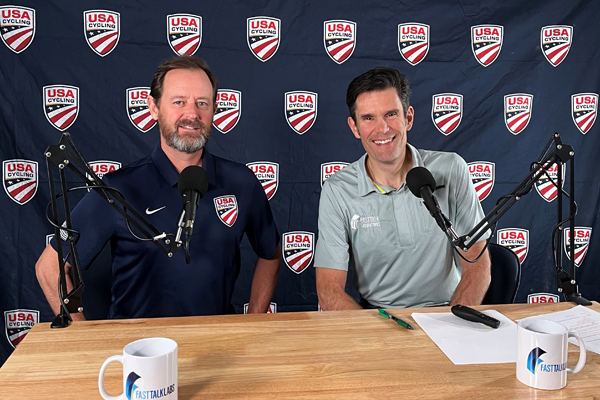
Fast Talk Labs’ CEO Trevor Connor reports from USAC’s coaching conference.
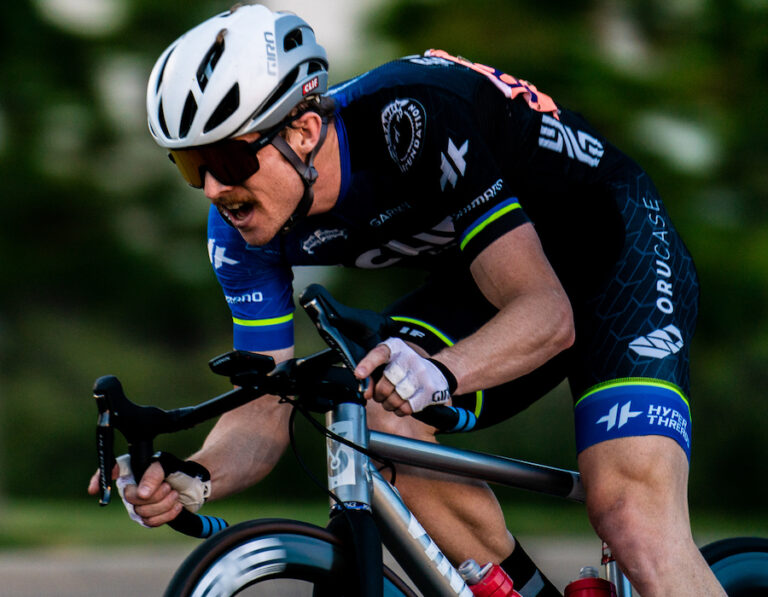
Then we’ve got some news you might like. Research out of Norway shows two shorter workouts can help build endurance in the same way those long workouts can.
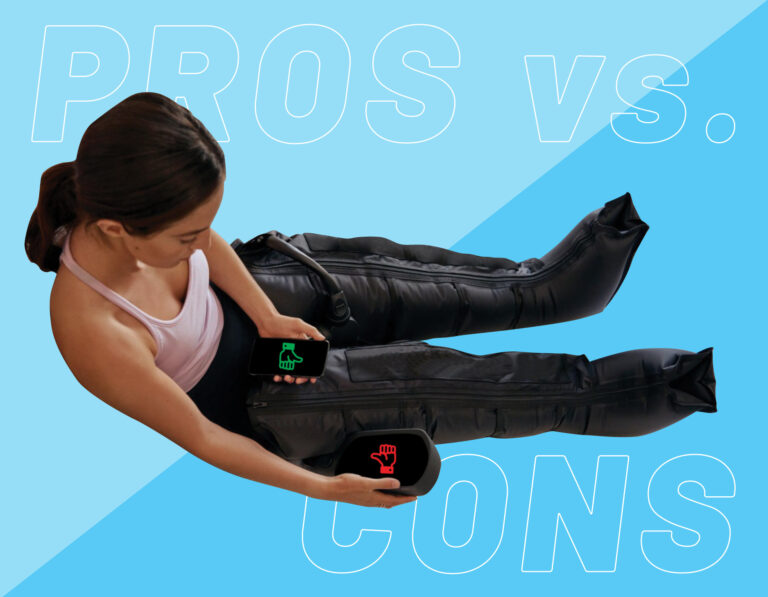
Everyone seems to have a pair—or want a pair, but are they worth it? Two triathlon coaches debate the pros and cons of compression boots.

We dive deep into the world of AI to understand how it can be used for optimal training and performance.

The benefits of polarized training are well known, but is there a minimal dose needed? We find out.

The semi-annual time change can often wreak havoc with our sleep and training. Find out how to mitigate its impact and use it to your advantage.

A rigorous, holistic approach to mental and physical training steeped in high-intensity sessions and hill running at a beachfront property would likely appeal to today’s athlete. This Australian running coach was ahead of his time.

After talking about the benefits of cross training on the Fast Talk podcast, Coach Lauren Vallee gives us some of her go-to bike and run workouts that can help cyclists with their running—and runners with their cycling.

Much to the surprise of some coaches, mental performance expert Jeff Troesch argues that you can have commitment from your athletes without trust. He explains how—and why—this is important.

The degree to which you cultivate a positive coach-athlete relationship will enhance your athletes’ race performances—and help you retain them as clients.
Coach Rob Griffiths describes the method he used to help an athlete shift her passion and motivation to make positive changes and avoid burnout.
Motivation is key to the performance psychology puzzle, dependent on fundamental human needs. If those needs are not met, an athlete’s passion for sport and their self-esteem can suffer.
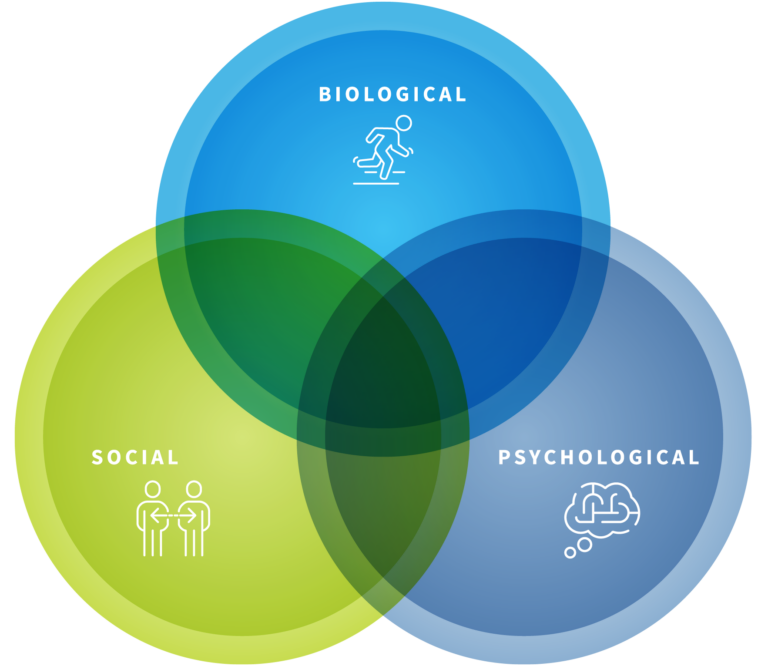
Coaches include some components of psychological and social development in an athlete’s preparation. But do you know why and how it works?