Using “Fatigue Training” to Reach Peak Form
By stringing together several days of high-intensity training, then adequately recovering, overload blocks can produce big gains.

Connor is an exercise physiologist, endurance sports coach, and raced in the professional cycling peloton for over 20 years.
Over the past two decades, Coach Connor has been fortunate to experience all sides of the cycling, endurance, and nutrition/health world. From his own experience racing the professional circuit, managing teams, coaching athletes of all levels, and writing for cycling and nutrition magazines, he brings a variety of knowledge and experience to Fast Talk Labs.
Connor raced in the pro peloton for nearly 20 years, getting on the podium at some of the largest races in North America. He started his coaching career working with the National Development program at Pacific Sport in Canada. From there he coached the Colorado State University Cycling team to number two in the country and worked with several semi-pro and amateur teams throughout Canada and the U.S.
From 2011 to 2020, he wrote the monthly training articles for VeloNews magazine. This is also where he first became the co-host of the popular training podcast Fast Talk.
From 2012-2014, Connor managed one of the top-ranked amateur teams in America, Team Rio Grande. He is an alumni of the 14-year program which includes several top finishers at Gran Tour events.
Connor’s master’s thesis advisor was Dr. Loren Cordain, the originator of the popular Paleo Diet. Connor has been the CEO of The Paleo Diet since 2018.
He founded Fast Talk Laboratories, LLC in 2019 where he continues the podcast and focuses on producing information on endurance sports training from top coaches, physiologists and professional athletes from around the world.
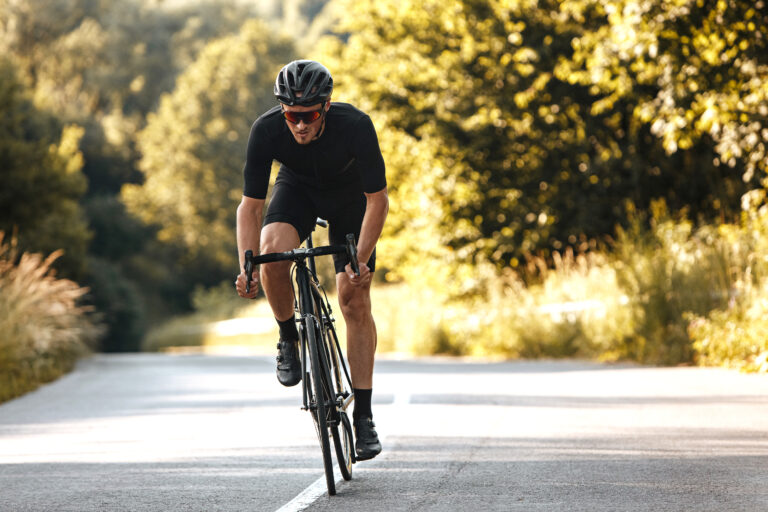
By stringing together several days of high-intensity training, then adequately recovering, overload blocks can produce big gains.
Coaches have known about the importance of durability for years, but researchers are only just starting to catch up. We discuss why it is the fourth pillar of performance.
We talk with Dr. Michael Kennedy about his work trying to bridge the knowledge-practice gap between researchers and practitioners.
In this week’s potluck episode, we discuss lessons learned from big events, the difference between over-under’s and true HIIT intervals, and whether all base training is made equal.
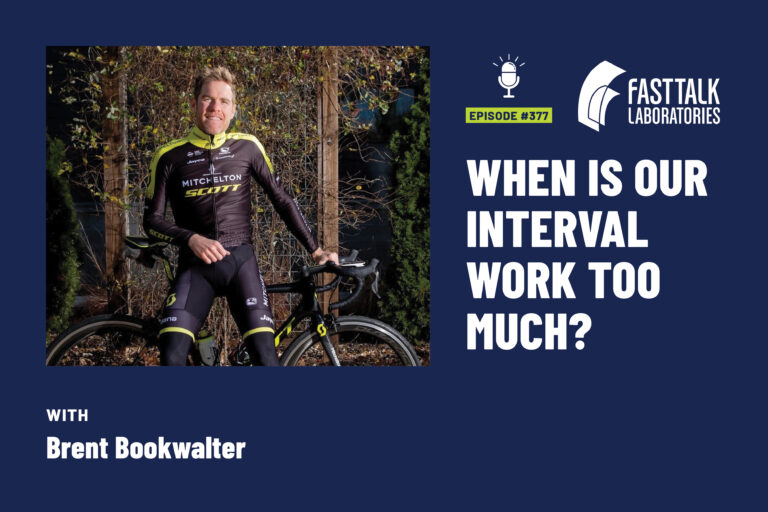
Brent Bookwalter talks with us about the importance of balancing physical and mental resources to get our workouts just right.
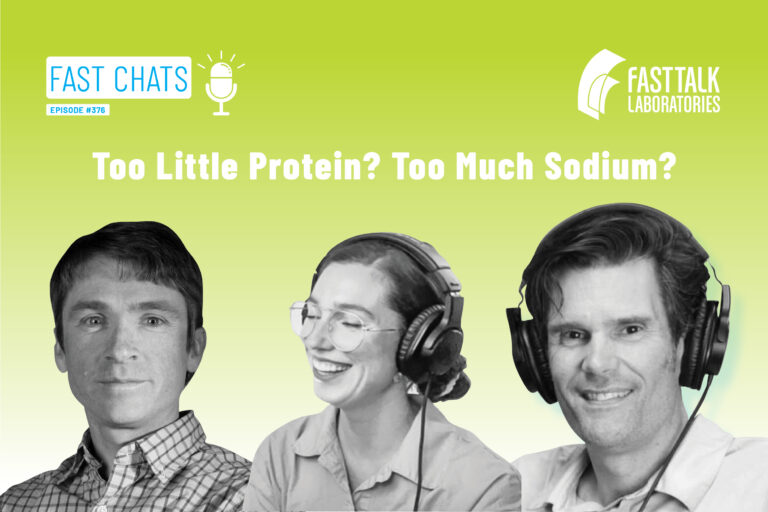
Two nutritional trends have serious health and performance consequences. We discuss the why, what, and how of protein and sodium intake.

This online course examples hydration in detail, providing coaches with a science-based hydration playbook that dispels the myths and offers clear guidance on this surprisingly complex topic.
This online course reveals the strategies top coaches use to craft smarter, more effective interval sessions based on exercise physiology.
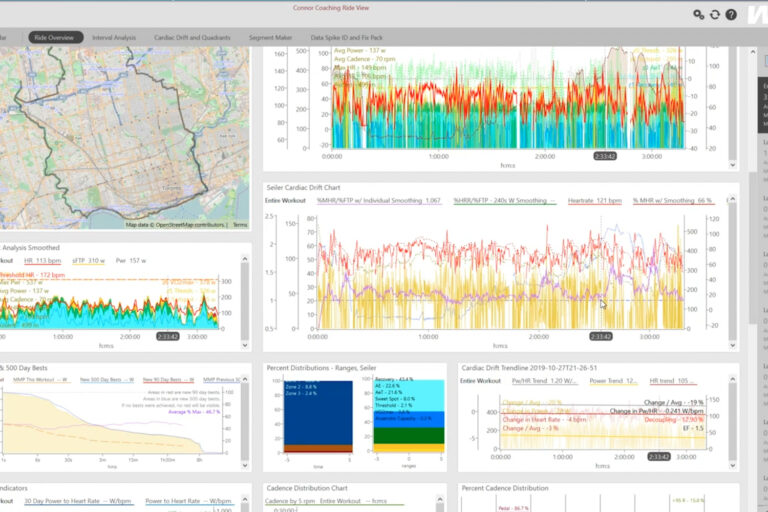
This online course shows how to analyze training and racing data effectively and efficiently to help athletes improve endurance sports performance.

Doing more sprint work and cadence drills on your rides could lead to substantial performance gains.
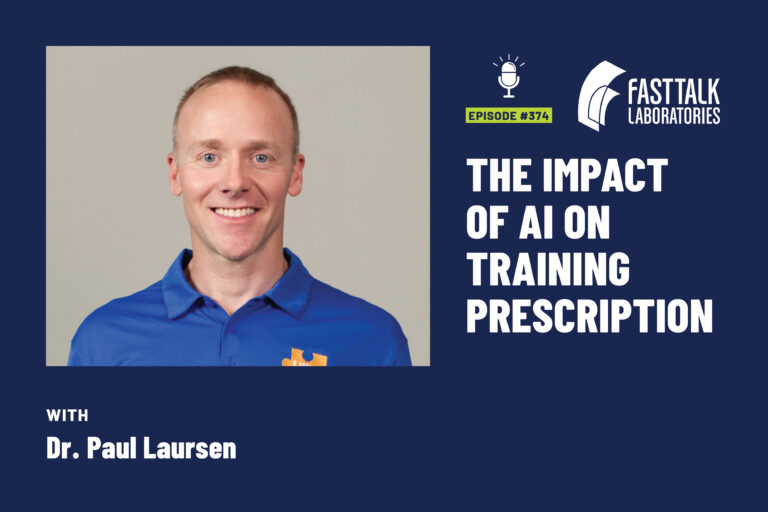
The world of AI is changing extraordinarily fast. We spoke with Dr. Paul Laursen about the current challenges and developments of the technology.
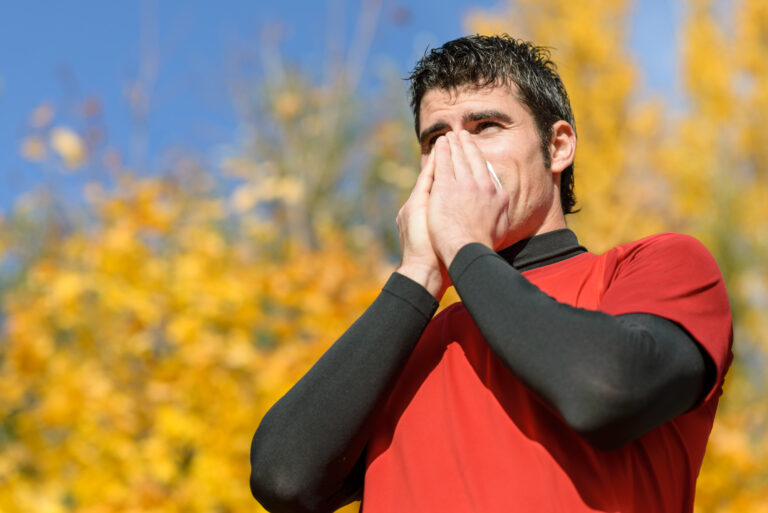
The closer we get to peak fitness, the more vulnerable we may become to illness. We explore how to prevent illness, and how to train effectively when it strikes.
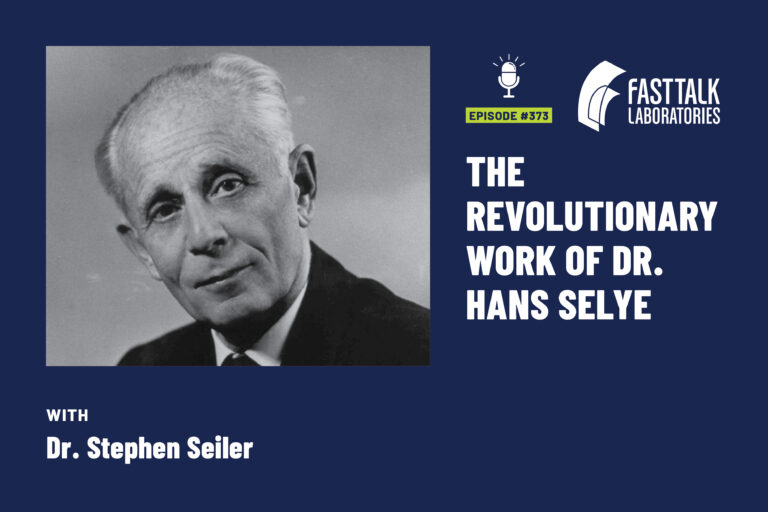
Dr. Stephen Seiler joins us to talk about one of the biggest influences on his own work, Dr. Hans Selye who’s been called the Einstein of the biological sciences.
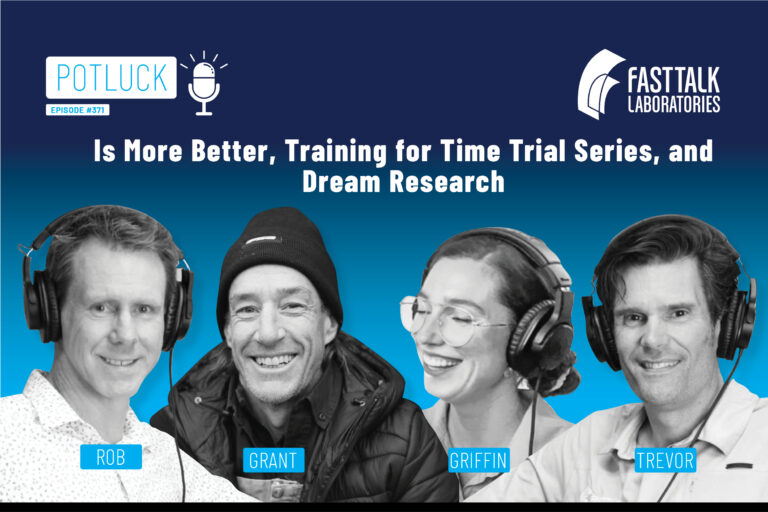
Our hosts talk about why we shouldn’t believe that more is always better, how to build a weekly time trial series into your training, and what research we’d like to see conducted.
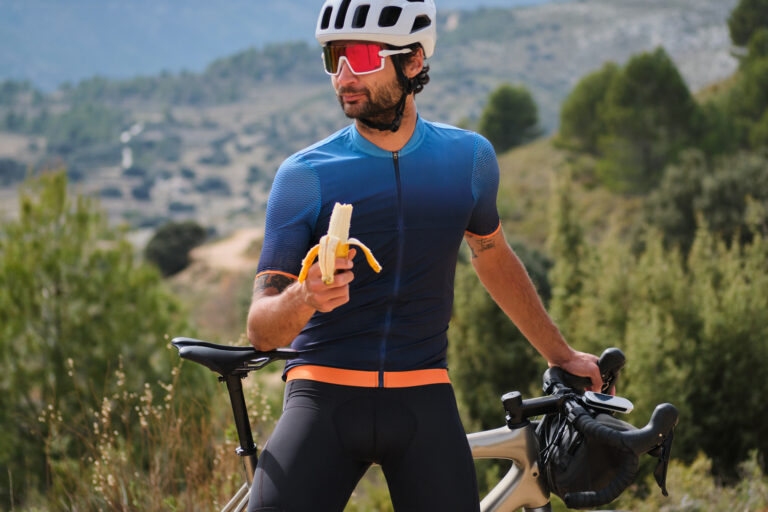
This course shows coaches exactly how to guide athletes through every stage of fueling—from daily training to race day.

Learn how to guide your athletes through a smart, sustainable base season—and lay the aerobic foundation for stronger performance, season after season.
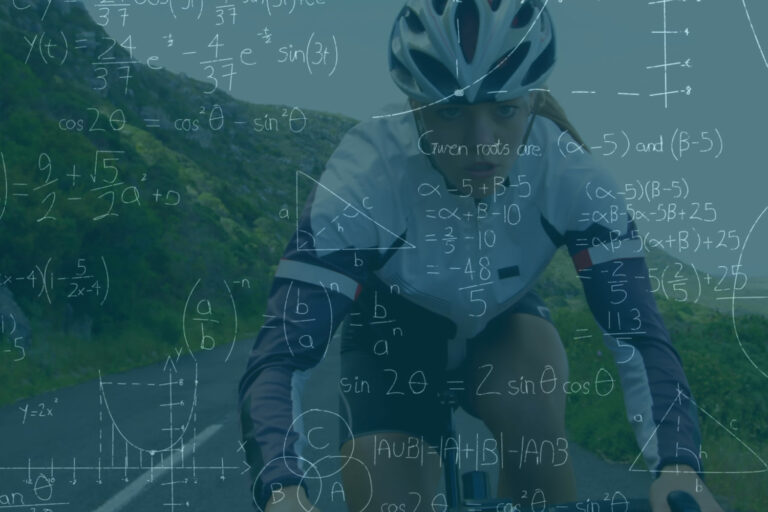
Explore how to translate heart rate, power files, and subjective feedback into smarter, more personalized coaching decisions.
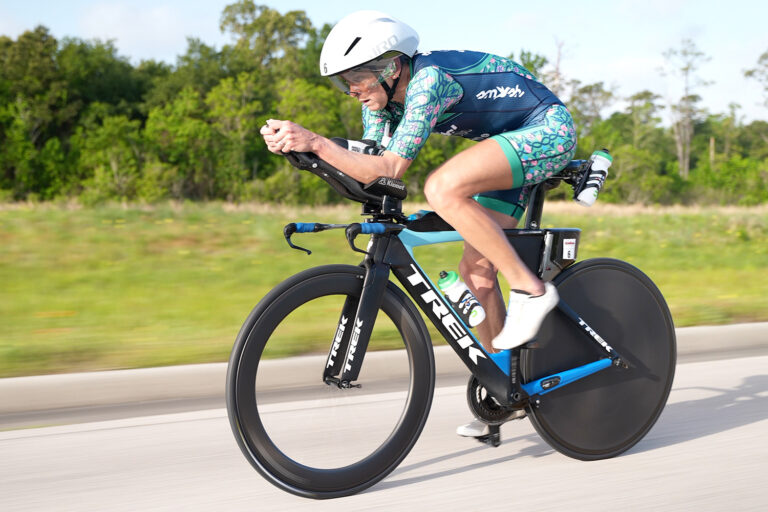
This course helps coaches understand the physiology, motivation, and mindset of masters athletes to help them stay competitive at any age.