Bonus Analysis of Pedaling Dynamics with Colby Pearce
We asked Colby Pearce a simple question: Tell us what you know about the pedal stroke. Colby gave us a monologue of gold.

Connor is an exercise physiologist, endurance sports coach, and raced in the professional cycling peloton for over 20 years.
Over the past two decades, Coach Connor has been fortunate to experience all sides of the cycling, endurance, and nutrition/health world. From his own experience racing the professional circuit, managing teams, coaching athletes of all levels, and writing for cycling and nutrition magazines, he brings a variety of knowledge and experience to Fast Talk Labs.
Connor raced in the pro peloton for nearly 20 years, getting on the podium at some of the largest races in North America. He started his coaching career working with the National Development program at Pacific Sport in Canada. From there he coached the Colorado State University Cycling team to number two in the country and worked with several semi-pro and amateur teams throughout Canada and the U.S.
From 2011 to 2020, he wrote the monthly training articles for VeloNews magazine. This is also where he first became the co-host of the popular training podcast Fast Talk.
From 2012-2014, Connor managed one of the top-ranked amateur teams in America, Team Rio Grande. He is an alumni of the 14-year program which includes several top finishers at Gran Tour events.
Connor’s master’s thesis advisor was Dr. Loren Cordain, the originator of the popular Paleo Diet. Connor has been the CEO of The Paleo Diet since 2018.
He founded Fast Talk Laboratories, LLC in 2019 where he continues the podcast and focuses on producing information on endurance sports training from top coaches, physiologists and professional athletes from around the world.
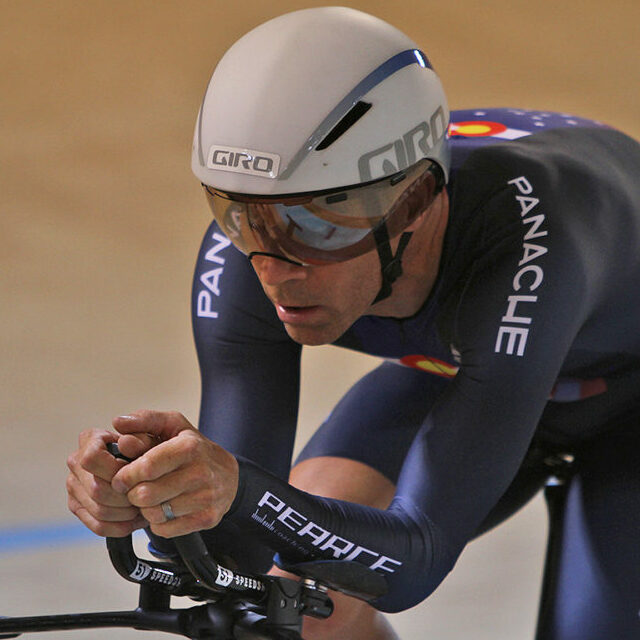
We asked Colby Pearce a simple question: Tell us what you know about the pedal stroke. Colby gave us a monologue of gold.

In episode 95 we explain the complexities of the tire, tire pressure, and how those things lead to changes in comfort, grip, rolling resistance, and more.
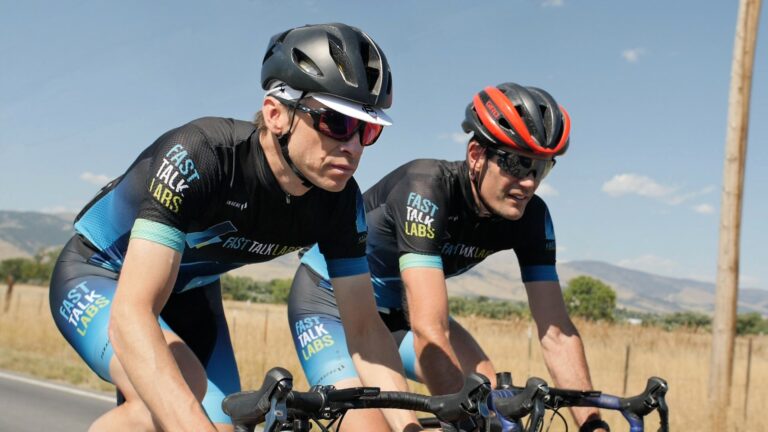
We take on questions about training while fasted, goal–setting analysis, and have a discussion on the polarized training approach.

We discuss self-care, spending time on relationships, knowing your personal limits, and working to keep your passions alive while training and racing.
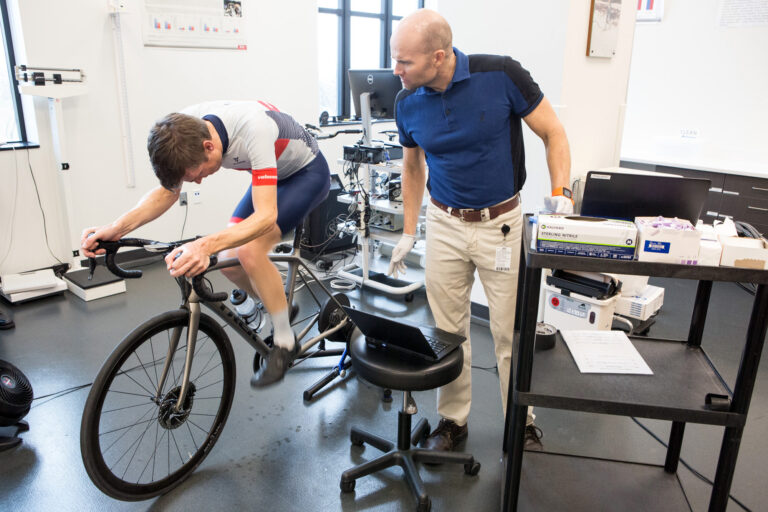
In episode 92, we answer questions on how to structure your training, overtraining, and laboratory testing.
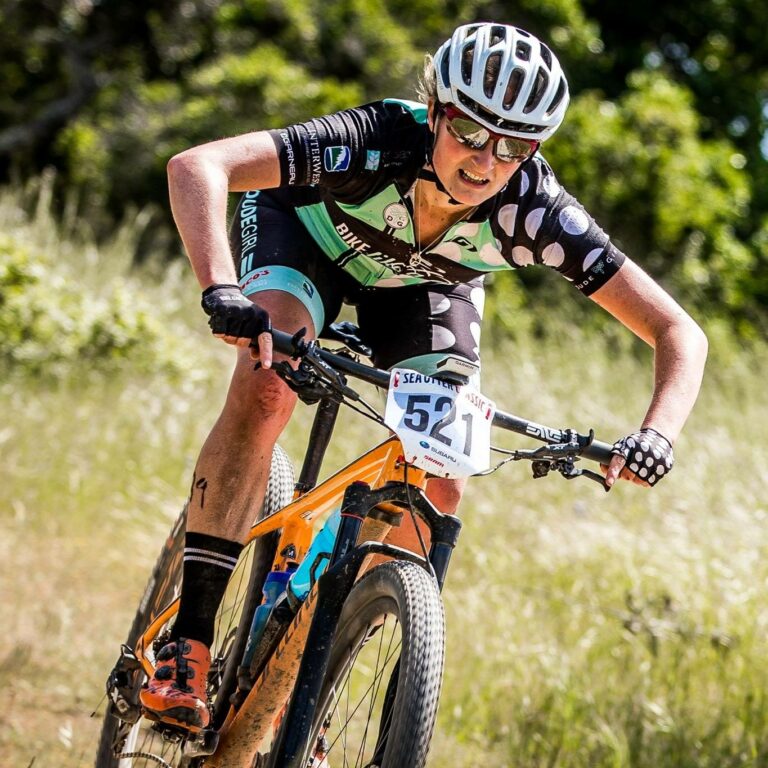
In episode 91 we emphasize the many critical aspects of training and coaching that don’t show up in the numbers.
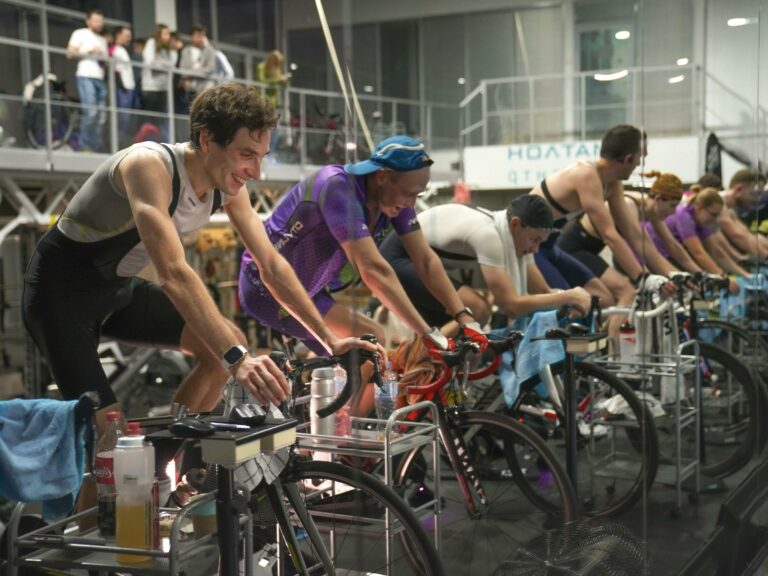
We discuss ways to stay motivated, add variety to your training methods, reinvigorate your work ethic, and improve performance for next season.
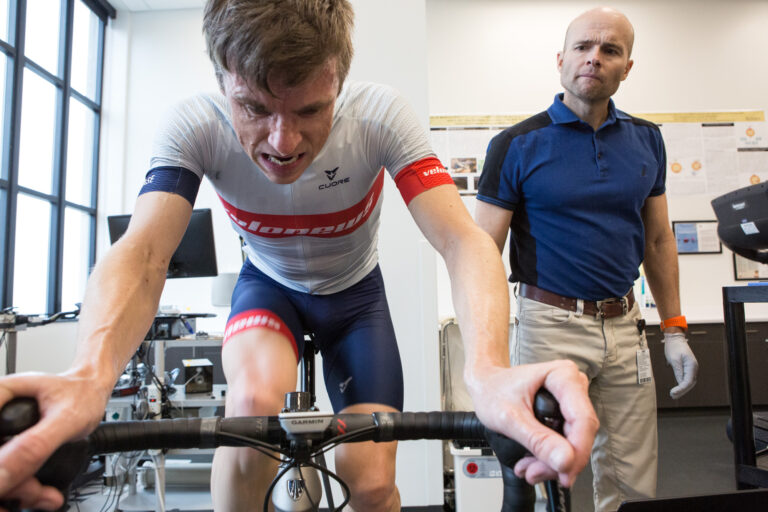
We talk with exercise physiologist Jared Berg about the value of athlete physiology testing like VO2max and lactate testing at the University of Colorado Sports Medicine and Performance Center.
How do we map out our seasons and prepare for a couple events? Do we still need to periodize? Can we be on form all year round?
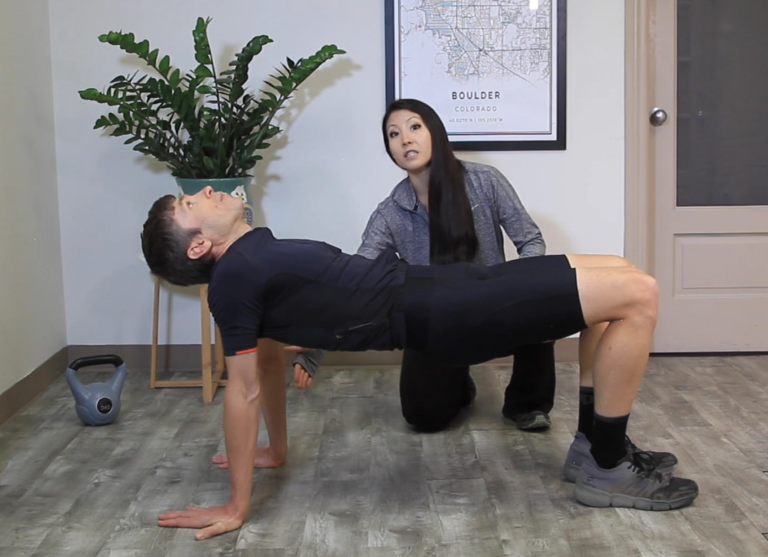
We discuss four of the most common overuse and imbalance injuries in cyclists and how to address them with off-the-bike work and proper bike fit.

We answer listener questions on training for long endurance events, cardiac drift, the types of inflammation, and much more.

You might keep up with the latest sport science, but do you know how to interpret it? Can you tell when it’s good research that draws useful conclusions?
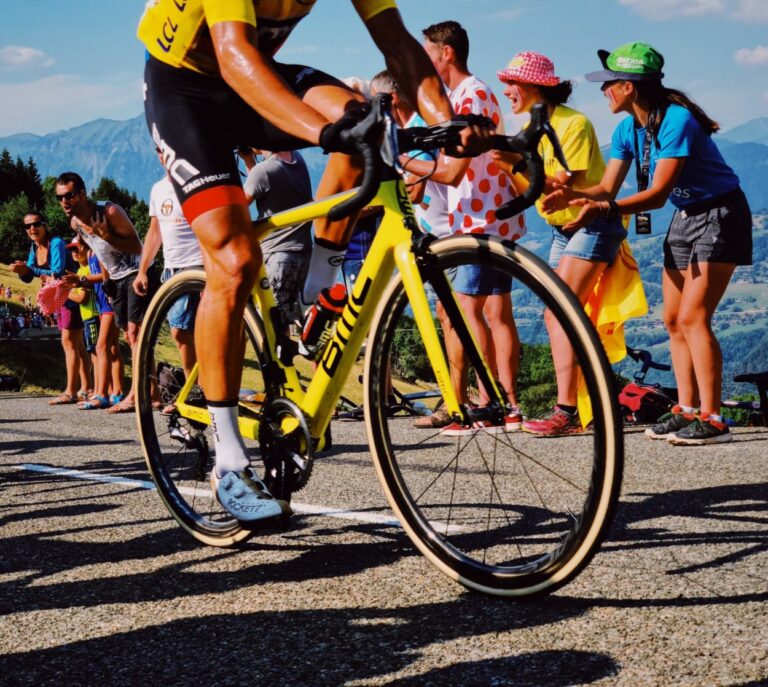
We sit down with Jumbo-Visma rider George Bennett to better understand how he trains, how you can apply his tips, and how pros have vastly different approaches.
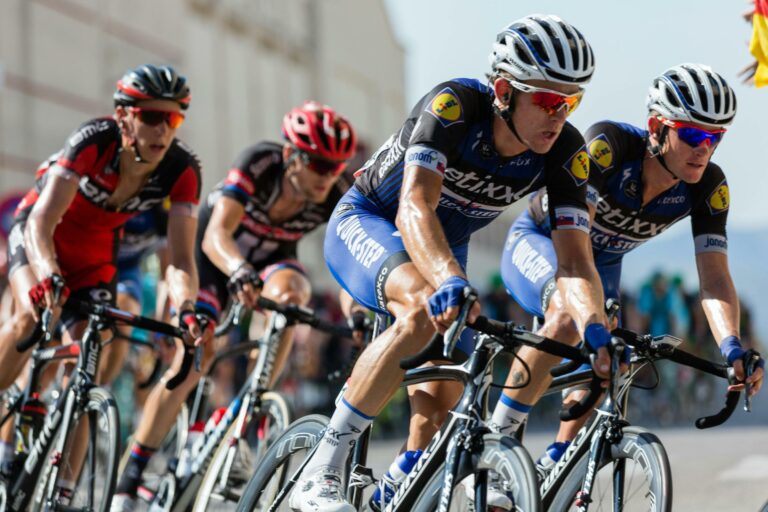
Pioneering sports nutritionist Asker Jeukendrup joins us for a discussion on how in-race nutrition is trainable and why you should be training your gut.

There’s a critical distinction between adaptation and recovery. Today, we focus on adaptations—what causes them and how to aid them.
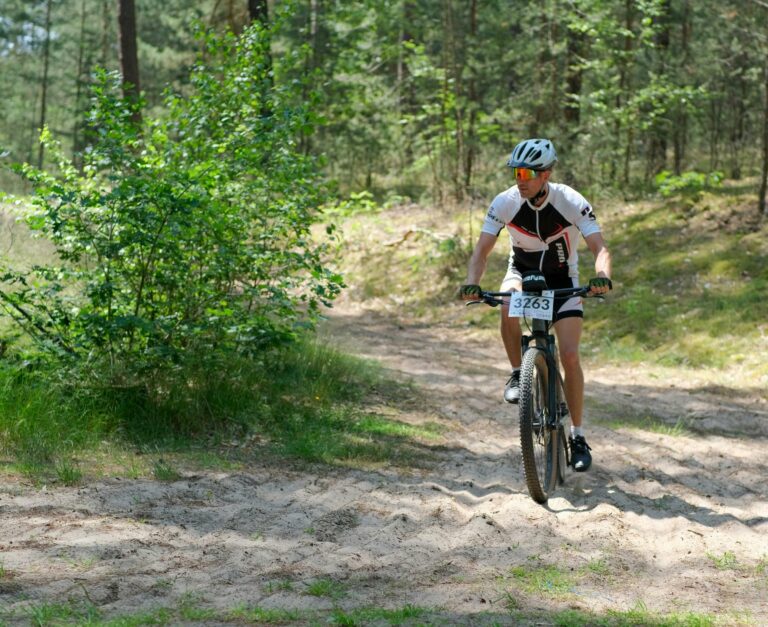
Fast Talk is taking on cyclocross, from training to racing, honing technical skills to riding on nearly flat tires.

Complex training prescriptions are becoming increasingly popular. Does it really need to be that complex? What do you gain from this complexity?
We discuss how to use energy most effectively, to make sure every time you pour a little of that precious energy out, it has an impact.