Teaching Parents to Better Support Their Child-Athletes
We talk with Dr. Jennifer Harris about the critical role that parents play in junior athlete development, and why that role is too often ignored or left undefined.

Connor is an exercise physiologist, endurance sports coach, and raced in the professional cycling peloton for over 20 years.
Over the past two decades, Coach Connor has been fortunate to experience all sides of the cycling, endurance, and nutrition/health world. From his own experience racing the professional circuit, managing teams, coaching athletes of all levels, and writing for cycling and nutrition magazines, he brings a variety of knowledge and experience to Fast Talk Labs.
Connor raced in the pro peloton for nearly 20 years, getting on the podium at some of the largest races in North America. He started his coaching career working with the National Development program at Pacific Sport in Canada. From there he coached the Colorado State University Cycling team to number two in the country and worked with several semi-pro and amateur teams throughout Canada and the U.S.
From 2011 to 2020, he wrote the monthly training articles for VeloNews magazine. This is also where he first became the co-host of the popular training podcast Fast Talk.
From 2012-2014, Connor managed one of the top-ranked amateur teams in America, Team Rio Grande. He is an alumni of the 14-year program which includes several top finishers at Gran Tour events.
Connor’s master’s thesis advisor was Dr. Loren Cordain, the originator of the popular Paleo Diet. Connor has been the CEO of The Paleo Diet since 2018.
He founded Fast Talk Laboratories, LLC in 2019 where he continues the podcast and focuses on producing information on endurance sports training from top coaches, physiologists and professional athletes from around the world.

We talk with Dr. Jennifer Harris about the critical role that parents play in junior athlete development, and why that role is too often ignored or left undefined.
We unpack what pain really means in endurance sport and how ultra-athletes use interoception, mindset, and adaptive coping (vs. maladaptive spirals) to finish stronger—less suffering, more control.
In this week’s potluck episode, we discuss whether there are issues with coming down from altitude, how to do a fatigue week with limited time, and whether or not to use auto-pause.
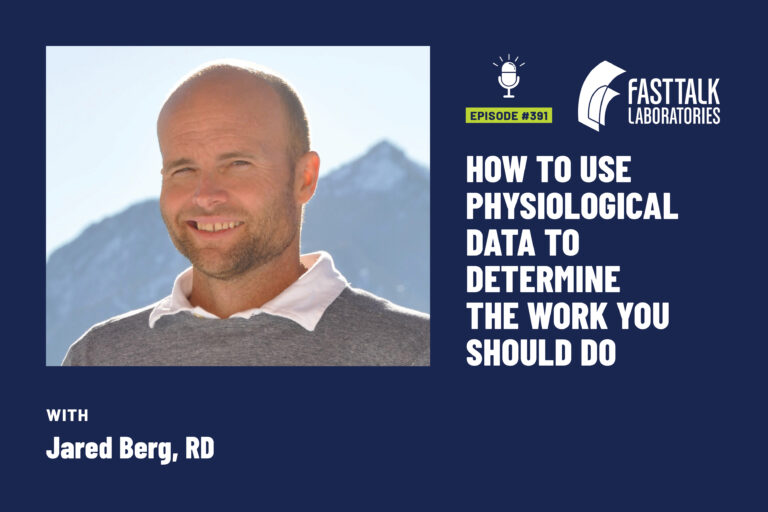
Physiologist Jared Berg talks with us about how he uses both in-lab and on-the-road testing to determine what type of work an athlete should focus on.
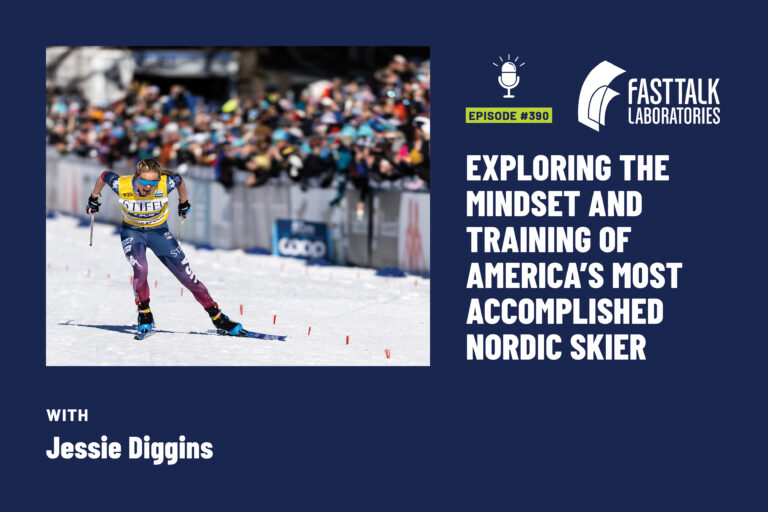
No American skier has rewritten the record books like Jessie Diggins. She’s figured out how to take down the Norwegians at their strongest sport—and she shares how she did it.

Zone 2 training has become all the rage, but a 2025 review is taking a step back and questioning whether it really produces the gains we thought it does.
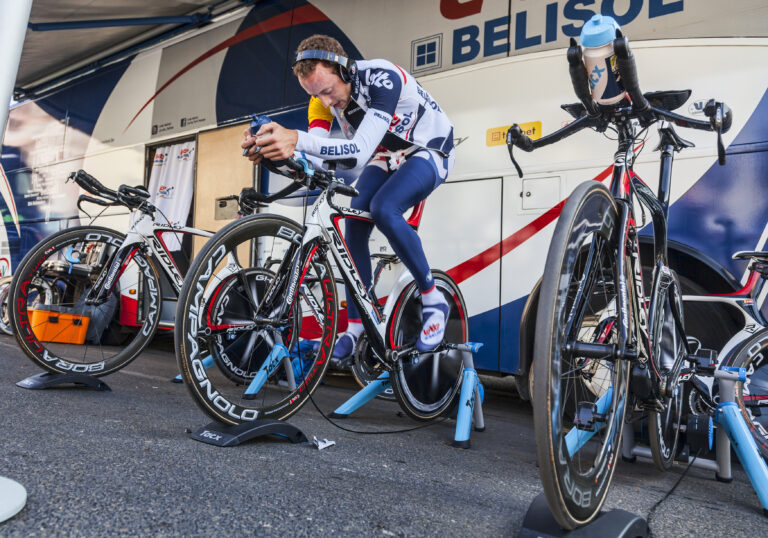
We explore the best method for priming yourself for racing—busting myths and delving into the science of warm-up routines.

TrainingPeaks CEO, Lee Gerakos, joins us to discuss the current trends in training software and where he thinks they are going.
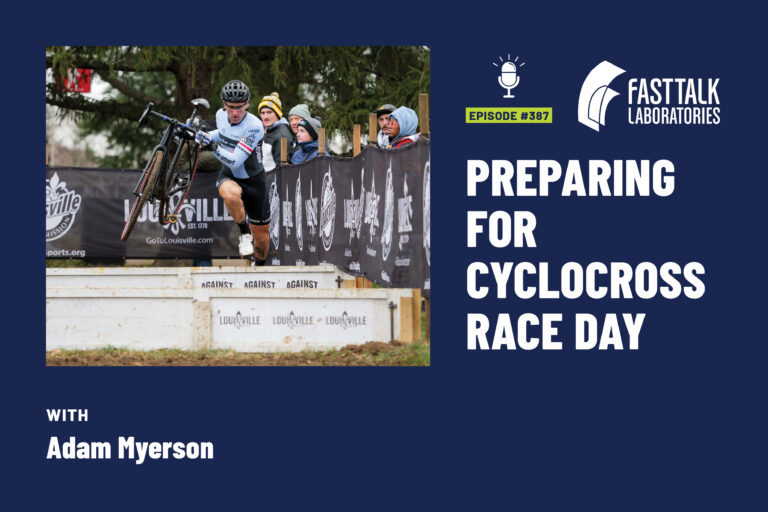
Cyclocross veteran Adam Myerson shares the essential race-day strategies—covering equipment, course inspection, warm-up, nutrition, and tactics—that can make or break your season.
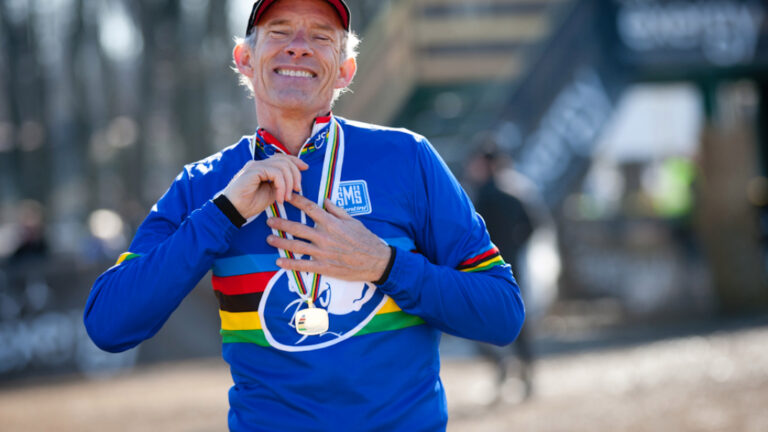
Age-related declines in performance are not as inevitable as you think.
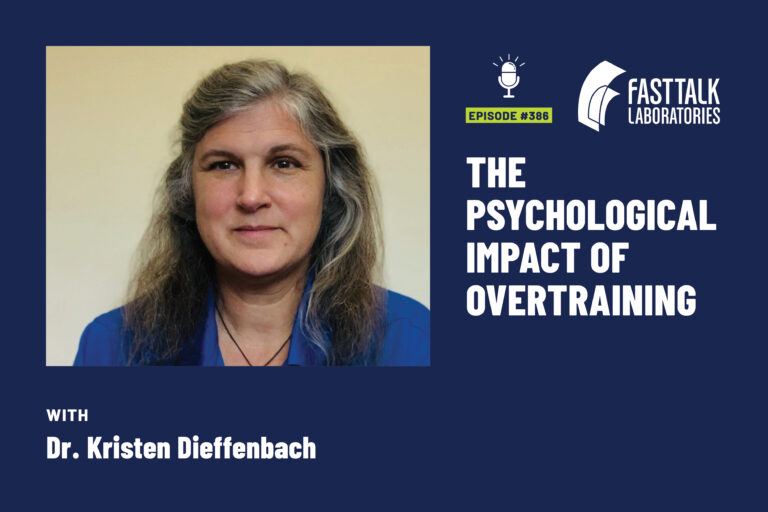
We talk with Dr. Kristen Dieffenbach about the psychological indicators of overtraining, which can often be the more dynamic signs for athletes and coaches to look for.

In this week’s potluck episode, we discuss the value of training fatigued, how to support a pregnant athlete, and what we can learn from parents who are professional athletes.
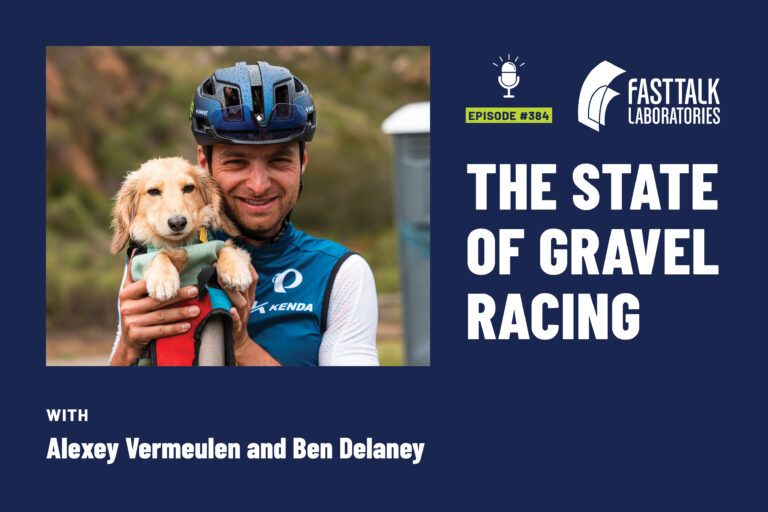
We’re joined by the Michigan-born gravel racer and the longtime cycling journalist to explore the good, the bad, and the ugly of gravel racing and riding in 2025.
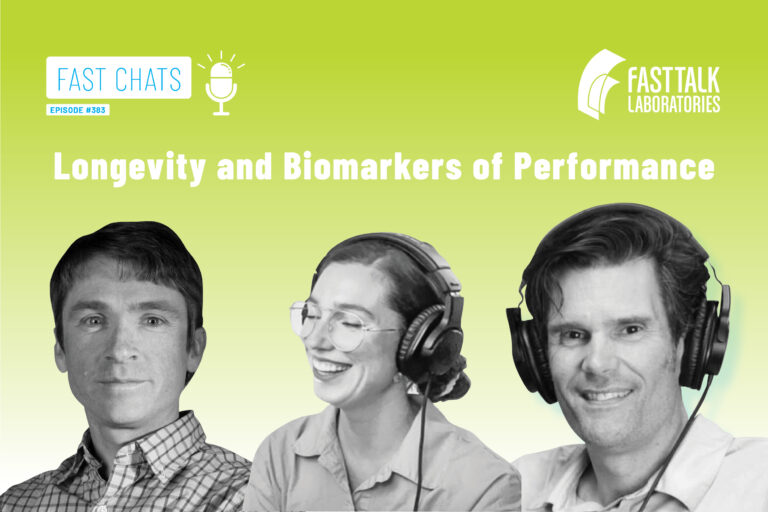
In this episode, we take a critical look at the longevity movement and explore the most valuable—yet elusive—biomarkers for athletes.
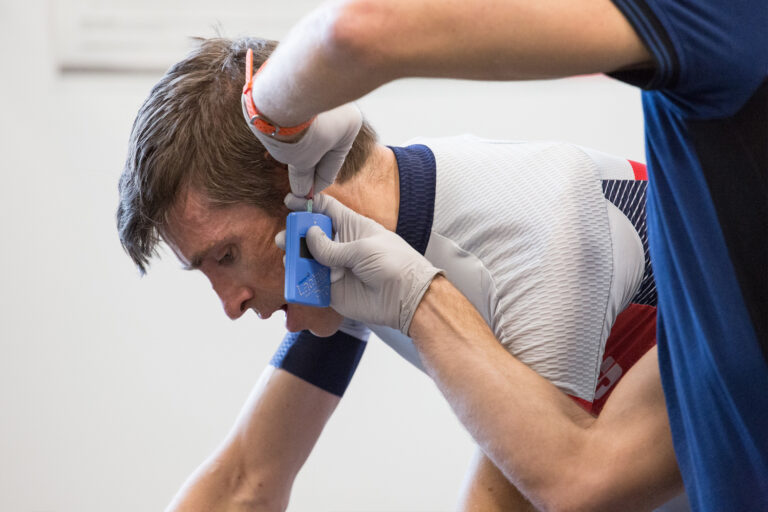
Learn how to interpret lab and field test results, communicate what they mean, and use test results to guide more precise, personalized training.
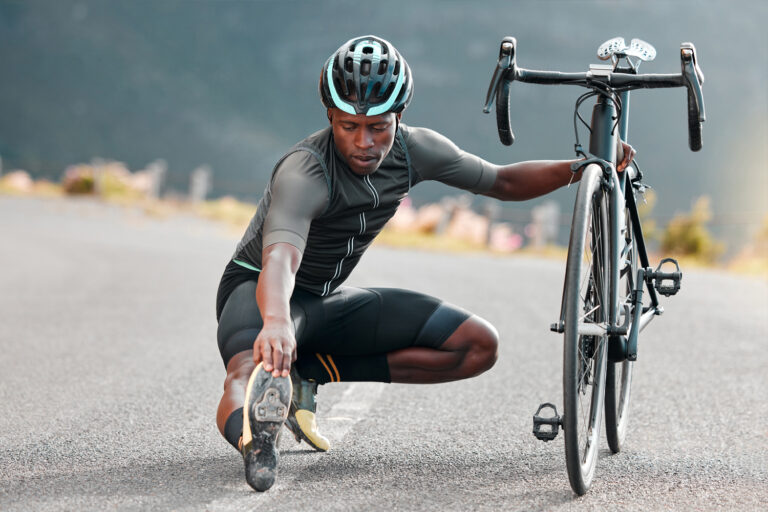
Set your athletes up for peak performance, before and after the race with science-backed warm-ups and cooldowns.

See how to put the best practices for daily, weekly, periodic, and seasonal recovery into practice to build performance gains faster.

Leipheimer talks with our team about how a new racing model used at the Levi Fondo may be the future of domestic racing.