How to Create Multi-Year Development Plans, with Dr. Stephen Seiler and Sondre Skarli
Certain physiological gains only happen after years of development. We discuss how to design training plans that look two or more years ahead.

After growing up in the U.S. and earning his doctoral degree from the University of Texas at Austin, Stephen Seiler, Ph.D., FACSM, has lived and worked in Norway for over 20 years as a university teacher, researcher, and leader. He is past Vice-Rector for Research and Innovation and past Dean of the Faculty of Health and Sport Sciences at the University of Agder in Kristiansand, Norway. Currently, Dr. Seiler is Professor in Sport Science at the same institution.
While anchored in an academic environment, Dr. Seiler has also served as research consultant and scientific advisor for a research foundation, sports teams, a regional hospital, and the Norwegian Olympic Federation. From 2014 to 2019, Dr. Seiler served on the Executive Board of the European College of Sport Science, where he founded the Elite Sport Performance Special Interest Group in 2014.
Over the last 15 years, Dr. Seiler has become internationally known for his research publications and lectures related to the organization of endurance training and intensity distribution. This work has included both descriptive and experimental approaches, investigating cyclists, rowers, cross-country skiers, orienteers, and distance runners. His work has influenced and catalyzed international research around training intensity distribution and the “polarized training model.”
Dr. Seiler has published over 100 peer-reviewed publications and written over 100 popular science articles related to exercise physiology and the training process. He has also given scientific lectures across Europe, the United States, China, South Africa, and Australia. He is also a founding editorial board member of the International Journal of Sport Physiology and Performance.

Certain physiological gains only happen after years of development. We discuss how to design training plans that look two or more years ahead.
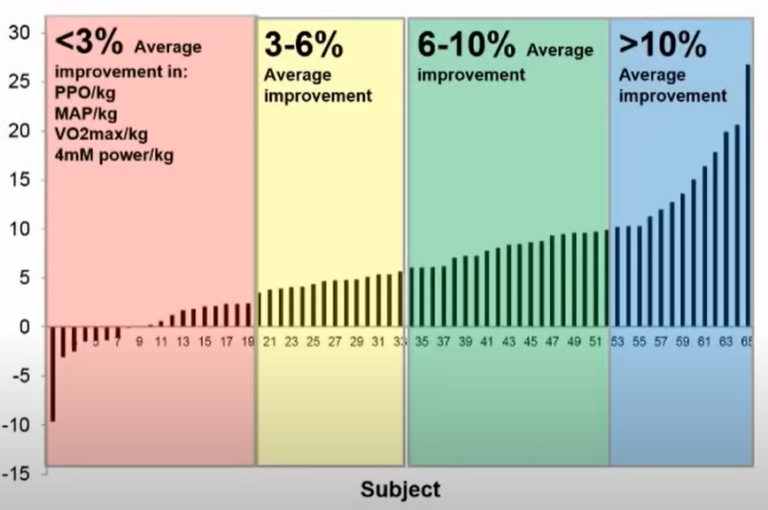
Dr. Stephen Seiler presents the reasons, methods, and benefits of moving from a polarized training template to a more personalized, optimized training method that is still based on polarized training.
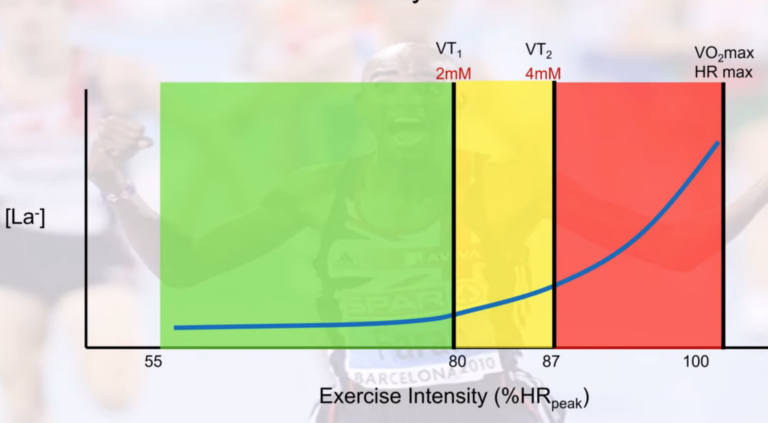
Dr. Stephen Seiler introduces polarized training during this in-studio podcast with FLO Cycling.

For distance runners unable to do high-intensity aerobic intervals, Dr. Stephen Seiler suggests adding strength and speed work.

Dr. Stephen Seiler surveyed over 1,000 endurance athletes of different levels to find out how the basic characteristics of the training process have changed during the coronavirus pandemic. Here are the results.

In this final video of his “short stack”, three-part series, Dr. Stephen Seiler discusses some research studies that compare short interval and long interval training and how they impact endurance capacity in already well-trained athletes.
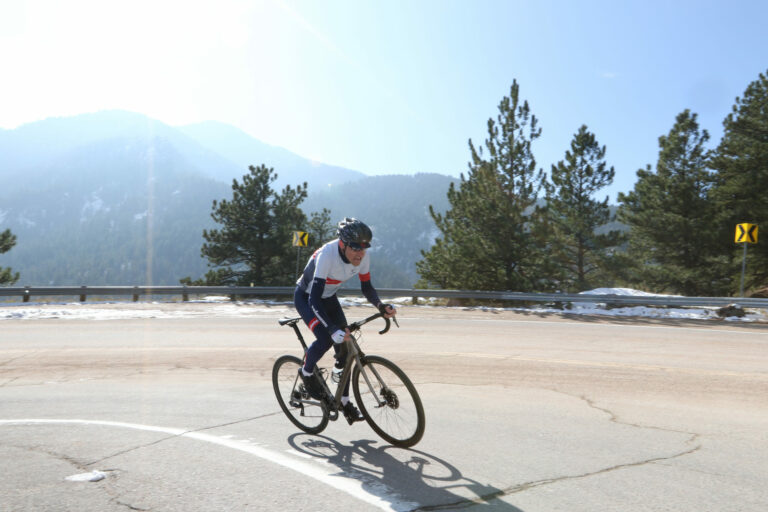
Dr. Stephen Seiler walks through some real-life short interval workout data to reveal some rules of thumb for how you can integrate these into your own training.

Interval training sessions with repeats of 30:30s, 40:20s, and 30:15s have become very popular. How does the (endurance-trained) body respond to this type of high-intensity interval prescription?
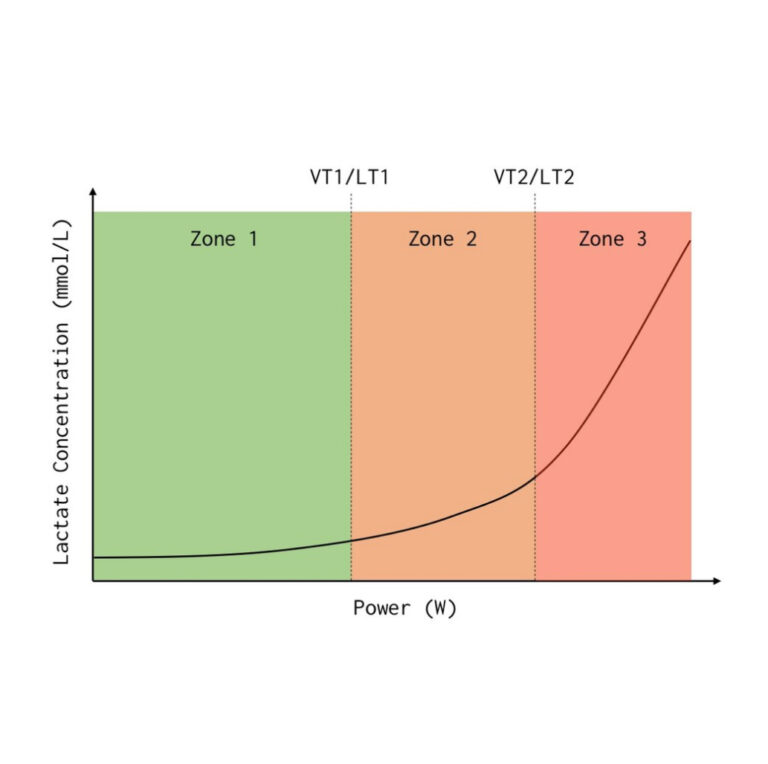
Dr. Stephen Seiler explains the endurance training zones schemes he uses in research (3 zones) and in practice working with Norwegian coaches and athletes (5 zones) as part of the Norwegian Olympic Federation model.
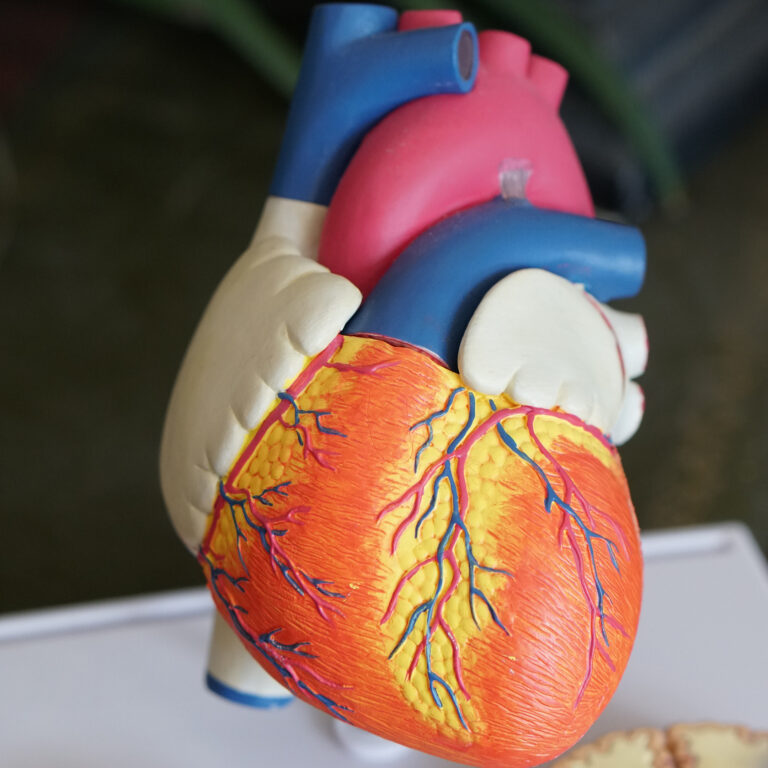
To avoid the high-intensity effort required to directly measure max heart rate, athletes use prediction equations. Clint Eastwood may or may not approve.
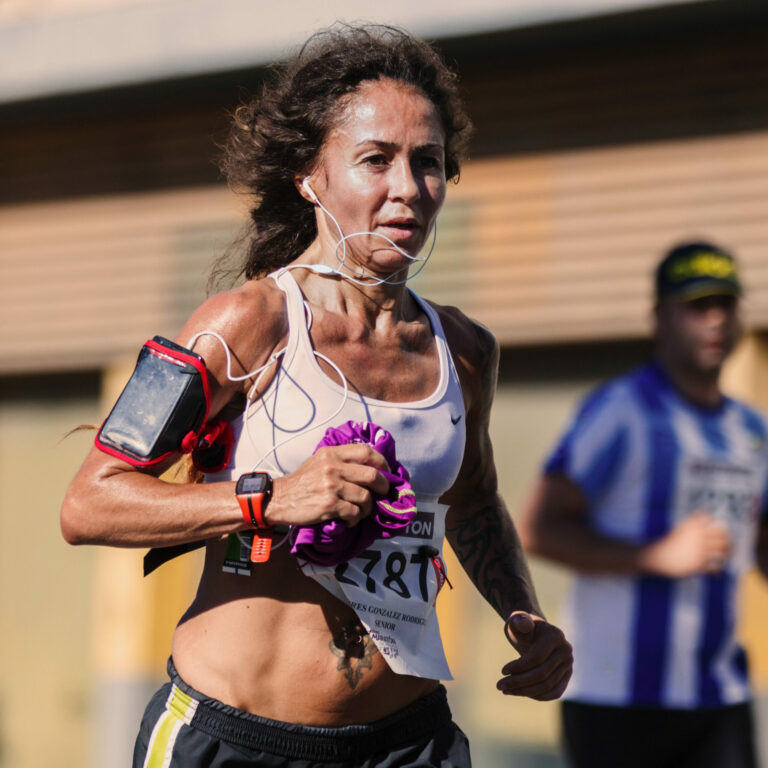
Like it or not, we slow down as we age. Do some parts of our physiological machinery slow down faster than others? If so, what does that mean for training and endurance performance?
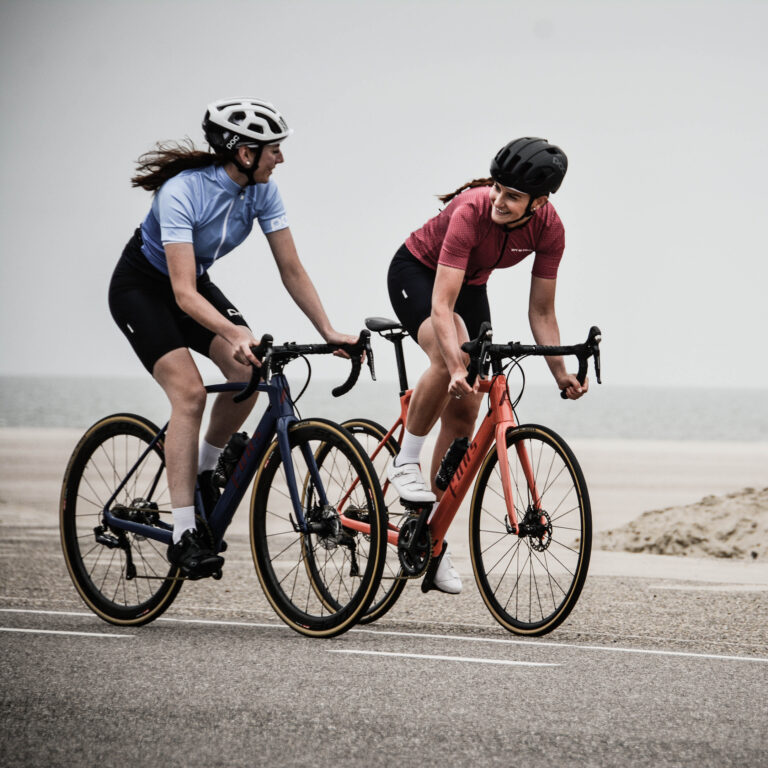
At what intensity should athletes perform long, slow distance workouts? Dr. Stephen Seiler lays out a method for athletes to figure out their own, ideal intensity and duration for low-intensity workouts.

Endurance athletes at all levels are adjusting to a new reality. Dr. Stephen Seiler shares some thoughts on ways athletes can adjust and make the most of a difficult situation.
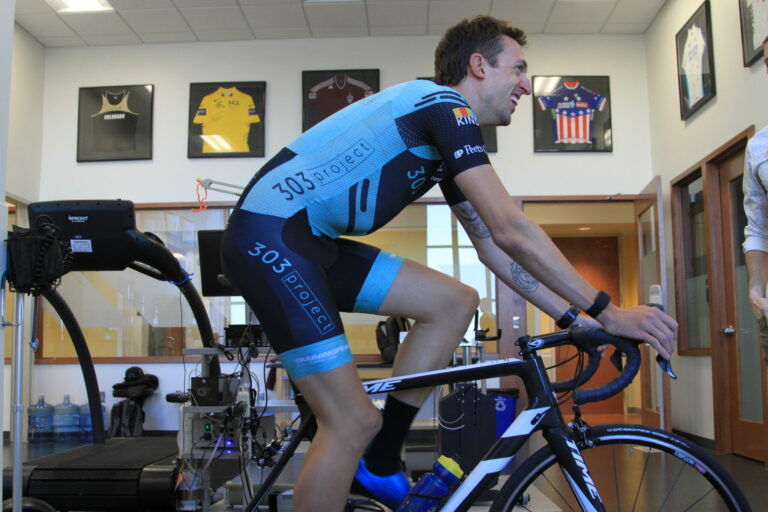
There are four balances to strike when training indoors: 1) bone health, 2) muscular balance, 3) intensity and duration balance in our training sessions and 4) energy balance

In this Tedx talk, exercise physiologist Dr. Stephen Seiler explains in words and pictures how modern exercise physiology laboratories reveal the body’s remarkable capacity for adaptation.

Dr. Stephen Seiler presents the case for why properly measured heart rate data is important to track and about some dos and don’ts to follow when attempting to determine your own HRmax.
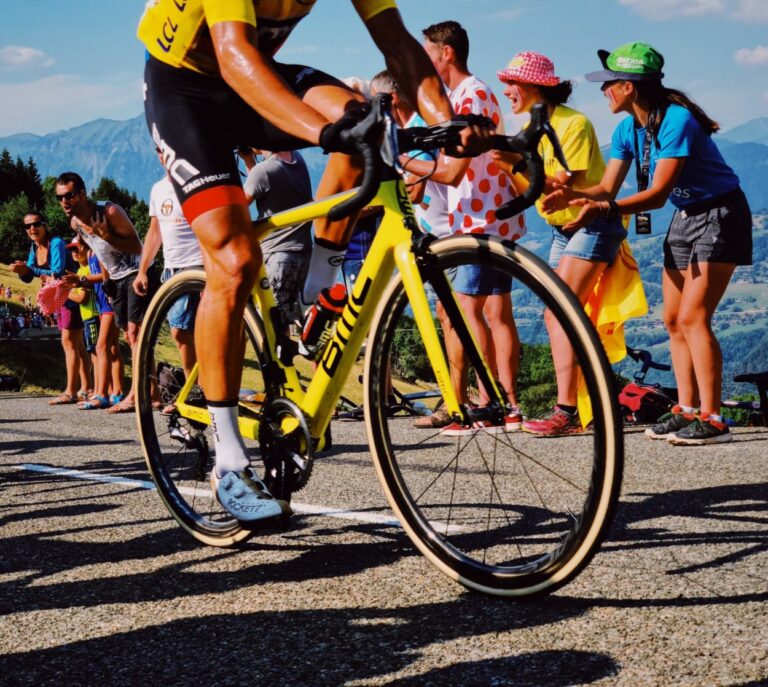
Here is a lap-by-lap performance analysis of one rider who made it almost to the very end at the 2020 UCI Road World Championships in Imola, Italy.
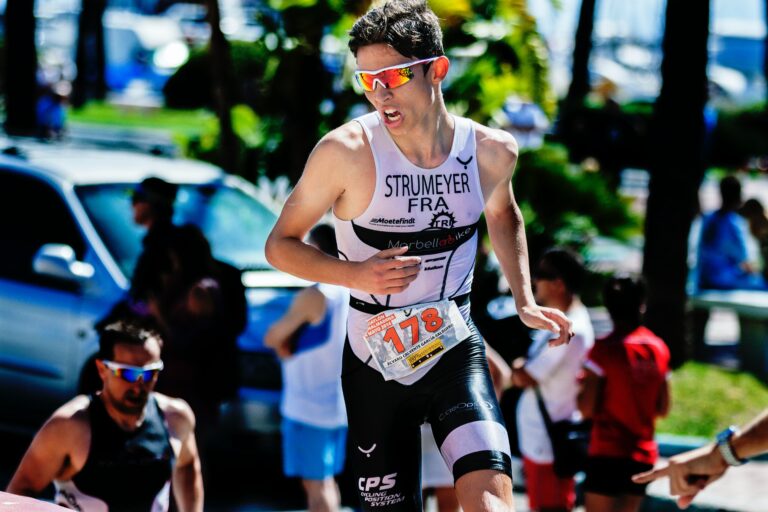
Correct marathon pacing can be the difference between fond memory and nightmare in the marathon. So what does good pacing look like?