What Happens When We Stop Training? The Science of Detraining
Discover what happens to your body when you stop training. Dr. Iñigo Mujika explains detraining effects and how athletes can manage time off.

Chris is a lifelong endurance athlete with a diverse academic and professional background. He has degrees and experience in neuroscience, clinical psychology, art, documentary photography, and journalism, and has decades of professional experience in the cycling and travel industries. Most recently, he founded Alter Exploration, which crafts challenging, transformative cycling journeys in some of the world’s most stunning destinations.
Chris was born and raised in southeastern Connecticut. He took up running in elementary school, and it quickly became his sole competitive outlet. Ultimately, he won multiple state championships in cross-country and track.
Chris attended Colgate University and graduated with degrees in neuroscience and art. He spent the next three years at the National Institute of Mental Health conducting research on patients with schizophrenia. After another year researching a stem cell treatment for Parkinson’s disease, he decided to pursue his second passion. This led him to the graduate journalism program at the University of Texas at Austin, where he concentrated in documentary photography. This is where Chris rediscovered his love of cycling, joining the collegiate team before expanding into categorized racing.
In 2012, Chris became the managing editor of VeloNews magazine, a position he held for nearly eight years. It was during that time that he became co-host of Fast Talk.
His cycling pursuits took him around the world to race on the road, mountain, and in cyclocross, to places like Taiwan, Costa Rica, Israel, and throughout Europe. He has stood on the podium at several cyclocross national championships, and is a silver medalist at master’s cyclocross worlds.
Chris is the author of The Haywire Heart, a groundbreaking and critically important guide to heart care for athletes, and the first book to delve into the relationship between long-term endurance athletics and heart health.
He is a cofounder of Fast Talk Labs, with Trevor Connor, and was the COO of Fast Talk Labs and The Paleo Diet until January 2022.

Discover what happens to your body when you stop training. Dr. Iñigo Mujika explains detraining effects and how athletes can manage time off.
Zone 2 training has become all the rage, but a 2025 review is taking a step back and questioning whether it really produces the gains we thought it does.
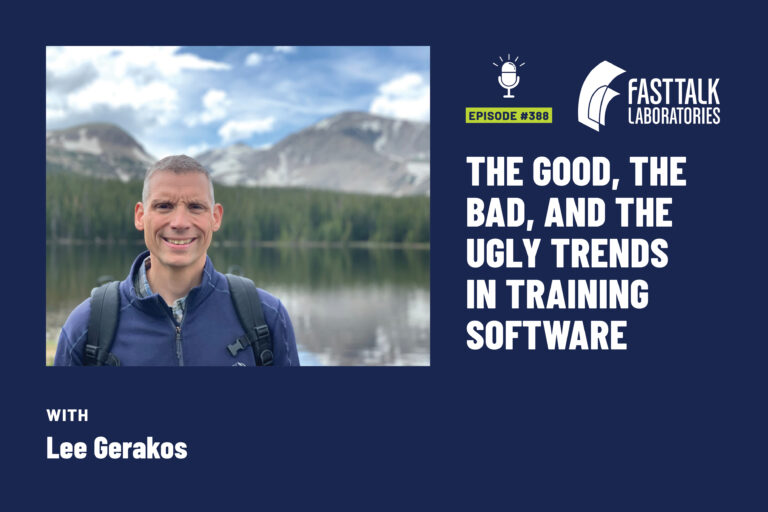
TrainingPeaks CEO, Lee Gerakos, joins us to discuss the current trends in training software and where he thinks they are going.
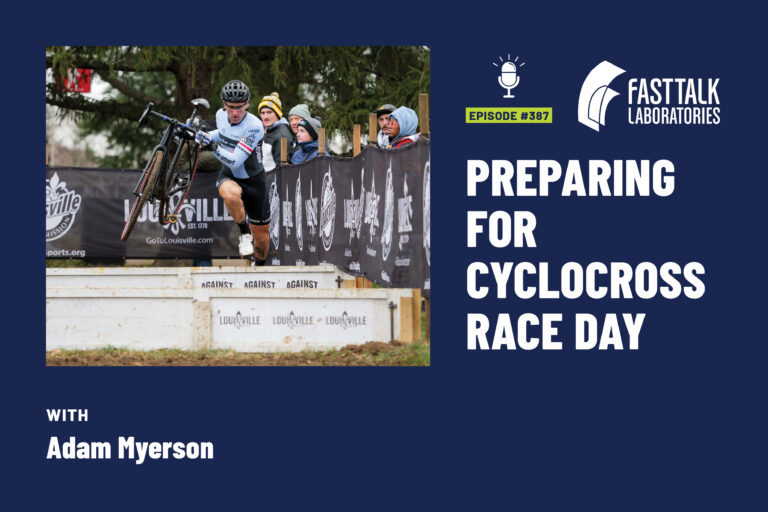
Cyclocross veteran Adam Myerson shares the essential race-day strategies—covering equipment, course inspection, warm-up, nutrition, and tactics—that can make or break your season.
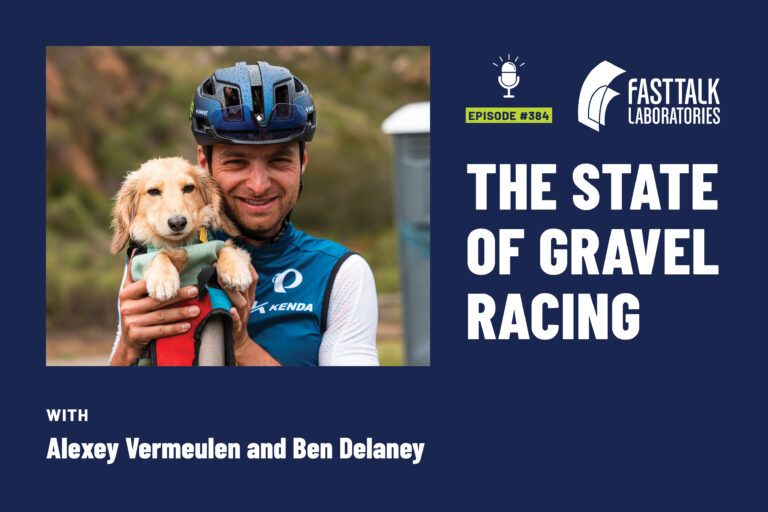
We’re joined by the Michigan-born gravel racer and the longtime cycling journalist to explore the good, the bad, and the ugly of gravel racing and riding in 2025.

Improving your ability to push beyond your perceived limit can bring many rewards, from watts to wins.
In this episode, we take a critical look at the longevity movement and explore the most valuable—yet elusive—biomarkers for athletes.
We’re joined by neuroscientist Dr. Scott Frey as we explore the effects of mental fatigue and brain endurance training on performance.
Coaches have known about the importance of durability for years, but researchers are only just starting to catch up. We discuss why it is the fourth pillar of performance.

Hormonal fluctuations during the menstrual cycle influence training, recovery, and performance. Individual tracking and targeted strategies help female athletes adapt and thrive.
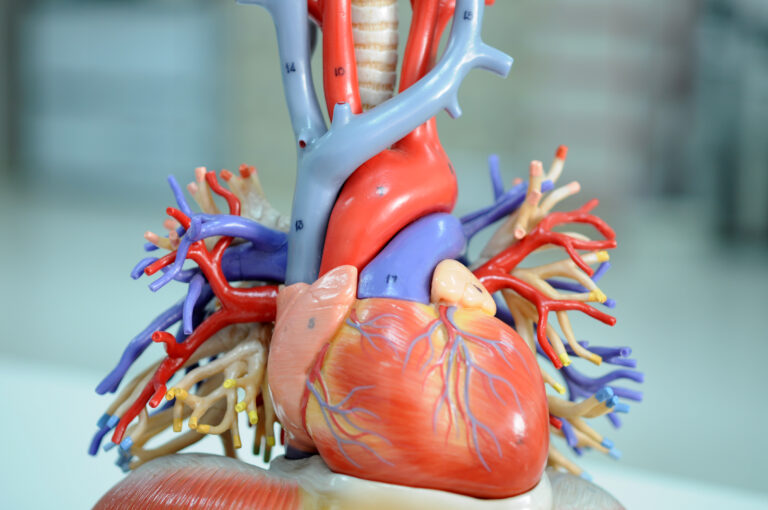
The cardiovascular system powers endurance performance. Explore how training reshapes the heart, what causes cardiovascular drift, and why too much exercise may carry long-term risks.
In this week’s potluck episode, we discuss lessons learned from big events, the difference between over-under’s and true HIIT intervals, and whether all base training is made equal.

Oxygen delivery, VO2max, and breathing efficiency all shape how the respiratory system supports endurance performance.

Hormonal regulation plays a vital role in energy balance, recovery, and performance—disruptions can lead to fatigue, stagnation, or overtraining.
Two nutritional trends have serious health and performance consequences. We discuss the why, what, and how of protein and sodium intake.

The era of AI-augmented endurance coaching is here. New tools don’t just collect data—they intelligently interpret, adapt, and learn, helping data-driven coaches and athletes to refine their training.
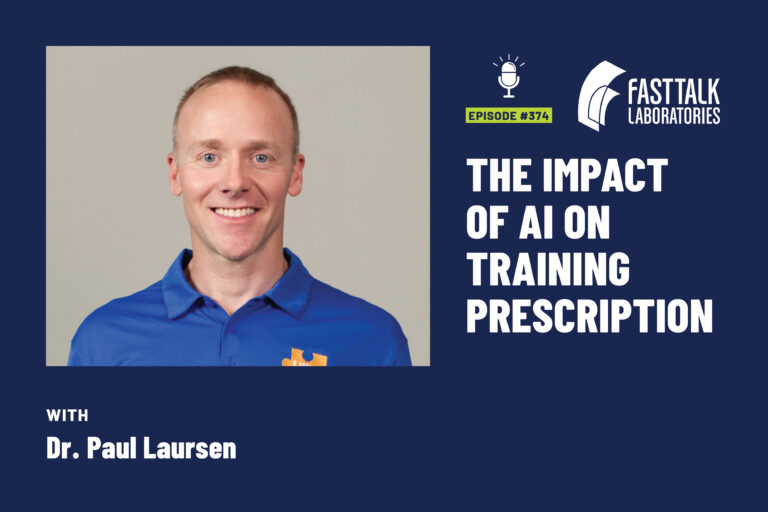
The world of AI is changing extraordinarily fast. We spoke with Dr. Paul Laursen about the current challenges and developments of the technology.
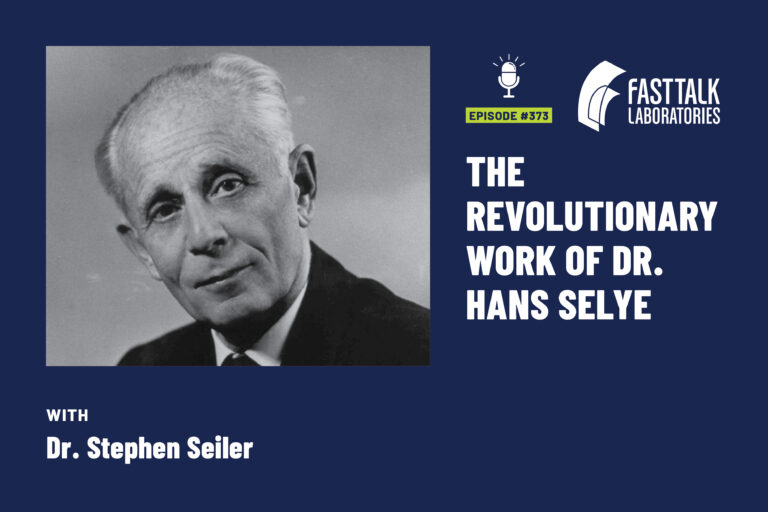
Dr. Stephen Seiler joins us to talk about one of the biggest influences on his own work, Dr. Hans Selye who’s been called the Einstein of the biological sciences.