Training the Gut, with Asker Jeukendrup
Pioneering sports nutritionist Asker Jeukendrup joins us for a discussion on how in-race nutrition is trainable and why you should be training your gut.

Periodization, polarized training, interval workouts—your performance depends on how you train. Master the key training concepts in endurance sports and you will look at every workout with new eyes.
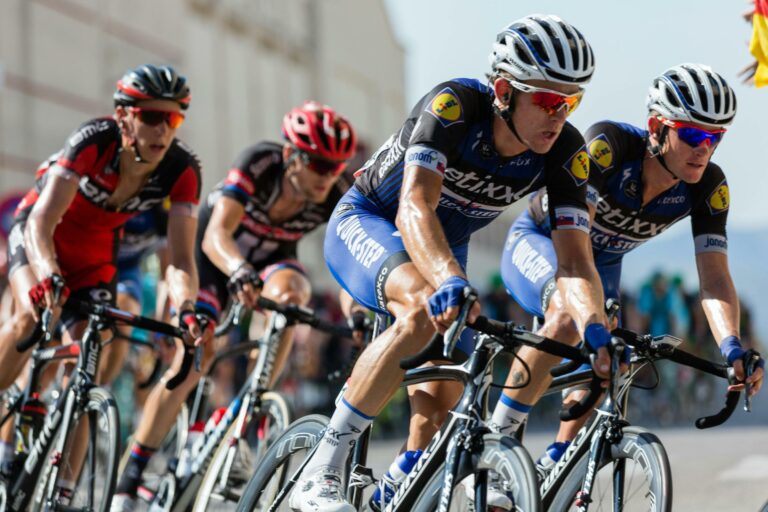
Pioneering sports nutritionist Asker Jeukendrup joins us for a discussion on how in-race nutrition is trainable and why you should be training your gut.

There’s a critical distinction between adaptation and recovery. Today, we focus on adaptations—what causes them and how to aid them.
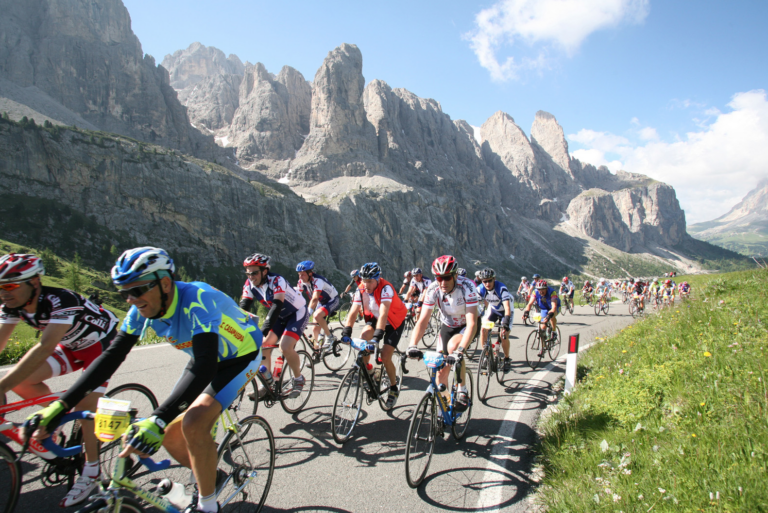
The great thing about gran fondos is there is no “right” way to do them. We teach you how to train, race, and prepare for these popular events.
Mindset in cycling, especially racing, is an important and frequently neglected side of our training. Mindset is often all that separates the best from second best and can be the difference between reaching the podium or finishing a race.
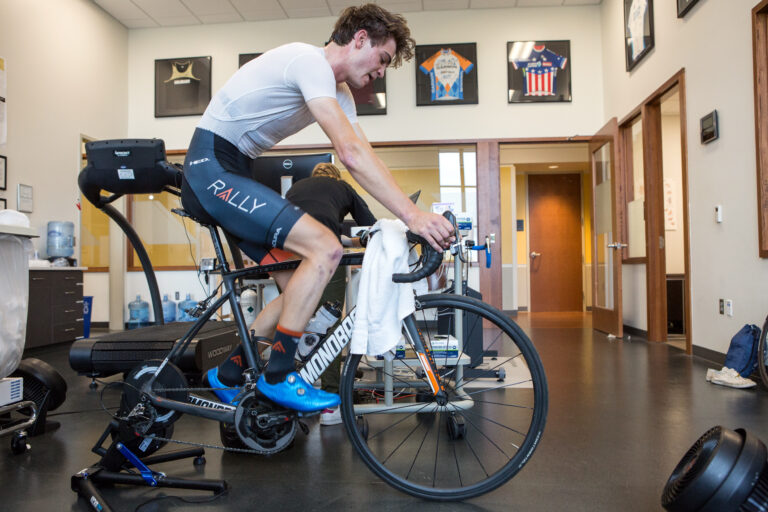
Sepp Kuss former rider for the University of Colorado team, now a member of Jumbo Visma shares his experience of transitioning from an amateur rider to a WorldTour athlete.
There’s some great advice about training, raising your level, and the value of persistence.
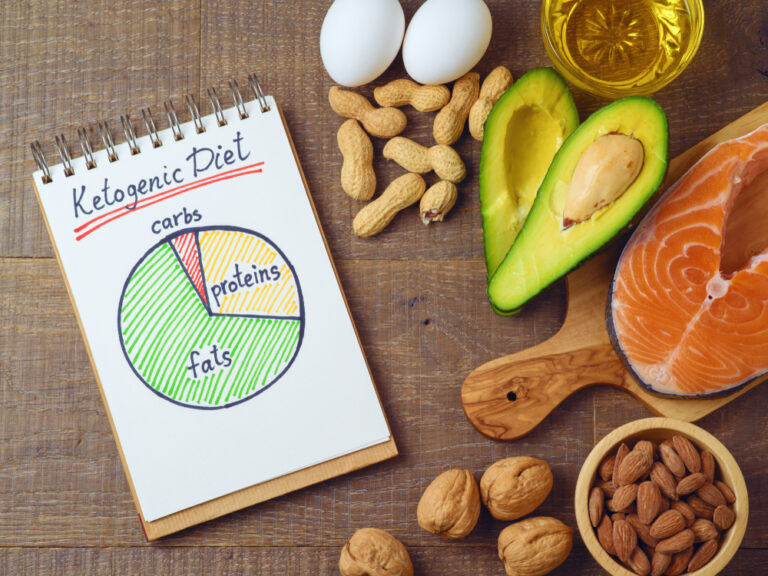
We are discussing research about ketogenic diets and sports performance. Studies have come out concluding contradictory things about the effects, benefits and risks. Researchers have strong opinions on both sides. Will going keto make you faster?
We speak with Hunter Allen and Dr. Andy Coggan, pioneers of the use of power meters in cycling.
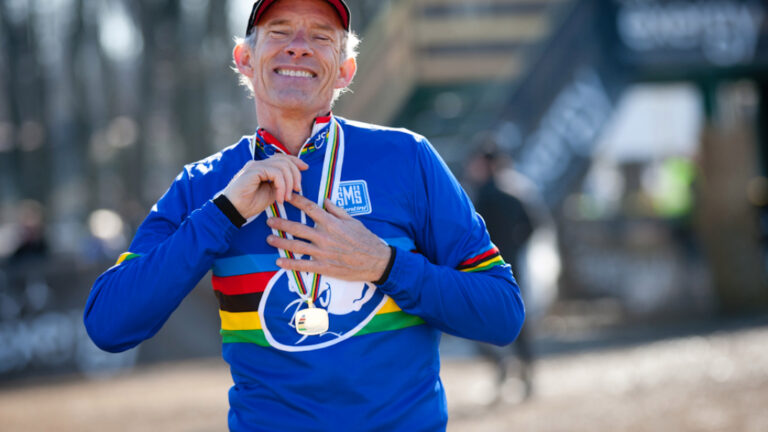
Maintaining strong training on the bike while aging isn’t as difficult as it may seem, as guest MTB champion Ned Overend illustrates.
We will delineate what age effects truly exist — for example, a drop in maximum heart rate — and others that have been traditionally attributed to aging that now appear to be trainable, such as a loss in fast-twitch muscle fiber strength.
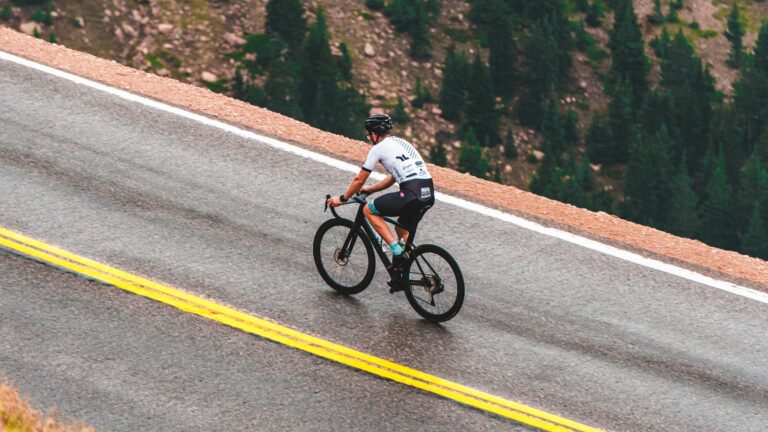
We tackle the always-popular topic of climbing with Sepp Kuss, Dr. Inigo San Millan, Joe Dombrowski, and Ned Overend.
We sit down with Dr. Andy Pruitt to discuss the physiological and psychological needs of athletes, and how an off-season is crucial to meeting those needs.
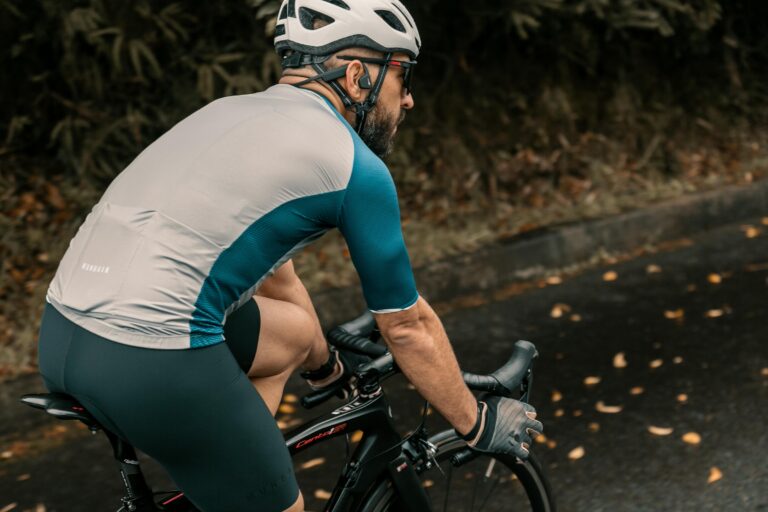
We are joined by pro cyclist Sepp Kuss and the founder of FasCat coaching, Frank Overton, to dig into dealing with contradictory advice.
Which is better, sweet spot training or polarized training? To find out, we invited in proponents of each type of training — FasCat’s Frank Overton on the sweet spot side, and Boulder Center for Sports Medicine’s Ryan Kohler to advocate for a polarized model — and let them have at it.

We are joined by Brent Bookwalter, Lucas Euser, Inigo San Milan, and Grant Holicky to help you determine when you should and shouldn’t push through bad legs, and when you should and shouldn’t do intervals at full gas.
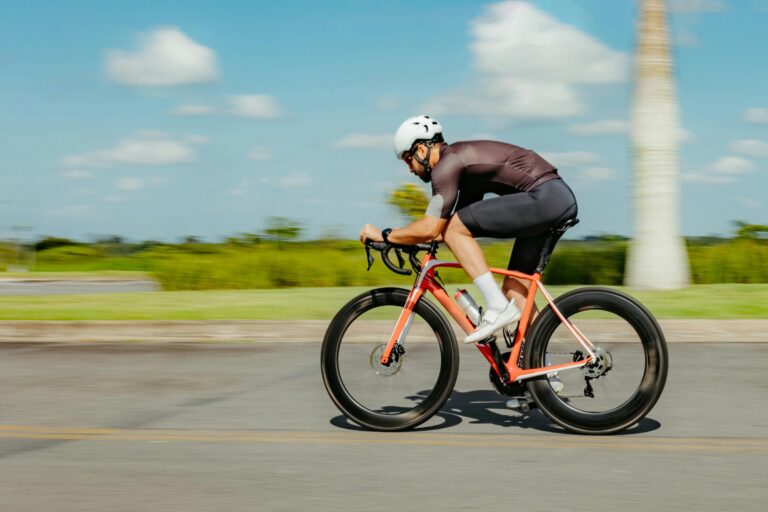
We are joined by Andy Pruitt, an internationally-known fit guru and sports physician, and Robert Pickels, a coach and researcher working at the leading edge of endurance training at the CU Center for Sports Medicine, for a wide-ranging discussion
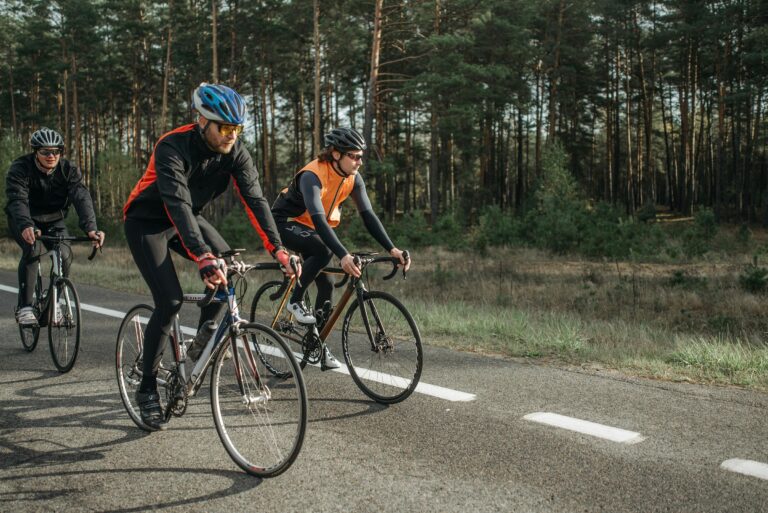
Precisely how should you structure a week, a month, or a year of training to fit in between all the time-snagging realities of life? Listen to find out.
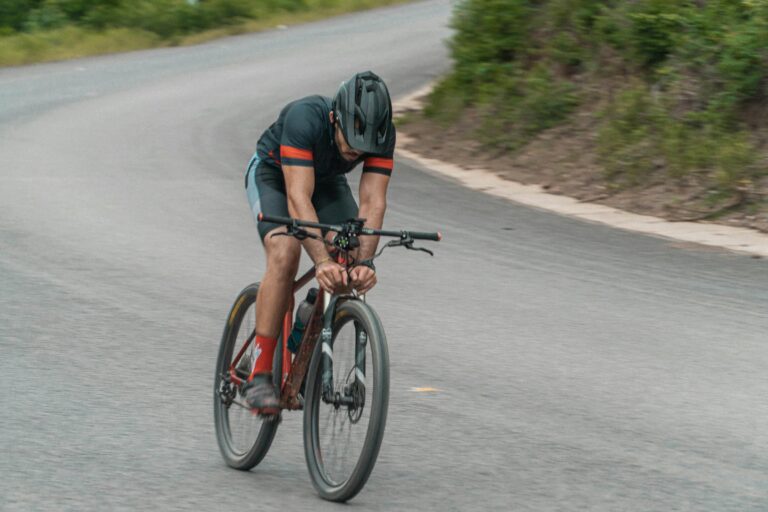
Have limited time to train? Trevor Connor and Caley Fretz discuss the best way to get the most out of your ride time, and whether it’s possible to substitute long, slow base miles with high intensity training.
In this first episode, Connor and Fretz tackle a question you’ve surely asked yourself: Why aren’t you a pro? What makes them different?