Demystifying Periodization, with Joe Friel
Cycling coach Joe Friel explores endurance periodization and its four core concepts: overload, specificity, reversibility, and individualization.

Chris is a lifelong endurance athlete with a diverse academic and professional background. He has degrees and experience in neuroscience, clinical psychology, art, documentary photography, and journalism, and has decades of professional experience in the cycling and travel industries. Most recently, he founded Alter Exploration, which crafts challenging, transformative cycling journeys in some of the world’s most stunning destinations.
Chris was born and raised in southeastern Connecticut. He took up running in elementary school, and it quickly became his sole competitive outlet. Ultimately, he won multiple state championships in cross-country and track.
Chris attended Colgate University and graduated with degrees in neuroscience and art. He spent the next three years at the National Institute of Mental Health conducting research on patients with schizophrenia. After another year researching a stem cell treatment for Parkinson’s disease, he decided to pursue his second passion. This led him to the graduate journalism program at the University of Texas at Austin, where he concentrated in documentary photography. This is where Chris rediscovered his love of cycling, joining the collegiate team before expanding into categorized racing.
In 2012, Chris became the managing editor of VeloNews magazine, a position he held for nearly eight years. It was during that time that he became co-host of Fast Talk.
His cycling pursuits took him around the world to race on the road, mountain, and in cyclocross, to places like Taiwan, Costa Rica, Israel, and throughout Europe. He has stood on the podium at several cyclocross national championships, and is a silver medalist at master’s cyclocross worlds.
Chris is the author of The Haywire Heart, a groundbreaking and critically important guide to heart care for athletes, and the first book to delve into the relationship between long-term endurance athletics and heart health.
He is a cofounder of Fast Talk Labs, with Trevor Connor, and was the COO of Fast Talk Labs and The Paleo Diet until January 2022.

Cycling coach Joe Friel explores endurance periodization and its four core concepts: overload, specificity, reversibility, and individualization.

Nutritional supplements promise to make everything better, but they have a dark side. Here is a list of supplements, their health concerns, and foods that actually help performance.
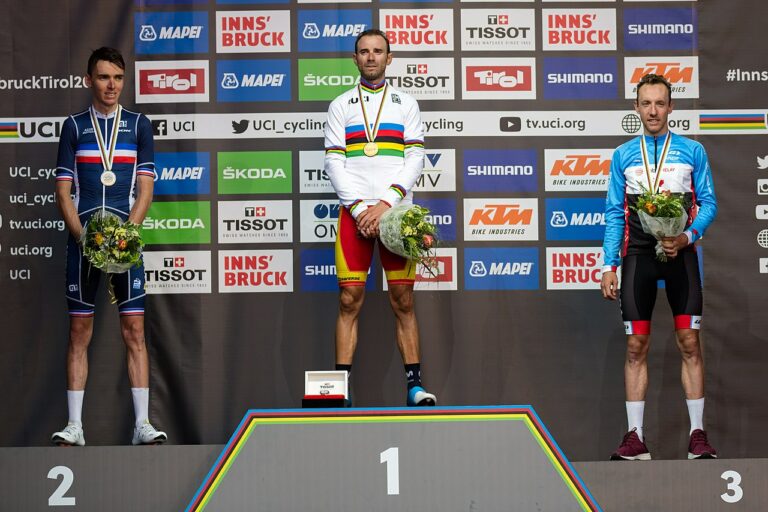
Canadian cycling team members Mike Woods and Rob Britton talk about all of the elements that are needed for a podium placing at worlds.

Training gadgets can be great gifts for cyclists, so this episode we talk about what training tools are worth it.
This Q&A episode we’ll answer questions about diet, the value of short easy rides, sub-threshold work in a polarized training model, and inflammation.
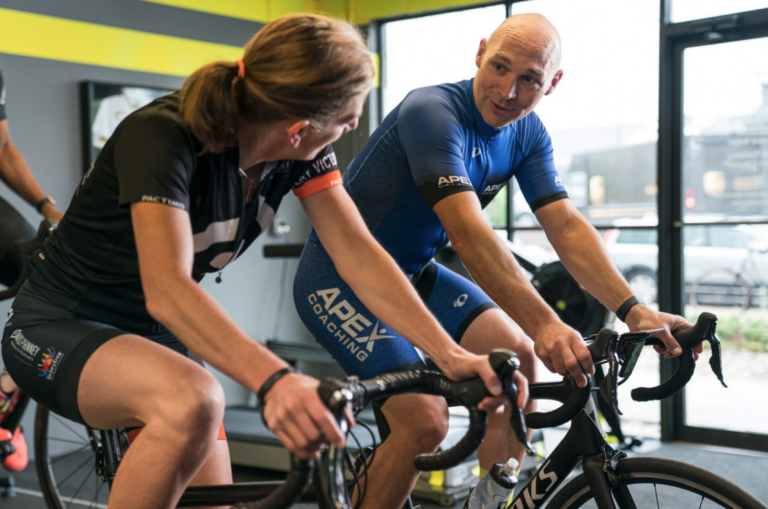
Neal Henderson and Rebecca Rusch answer an important question: Do we really need a coach?

Today’s smart trainers and online tools allow us to “game-ify” the experience of cycling training indoors and they are making many re-consider how they feel about riding indoors. We’re looking at the training benefits, differences of experience on the trainer versus on the road, inertia generated by the trainer, and its impact on our biomechanics.
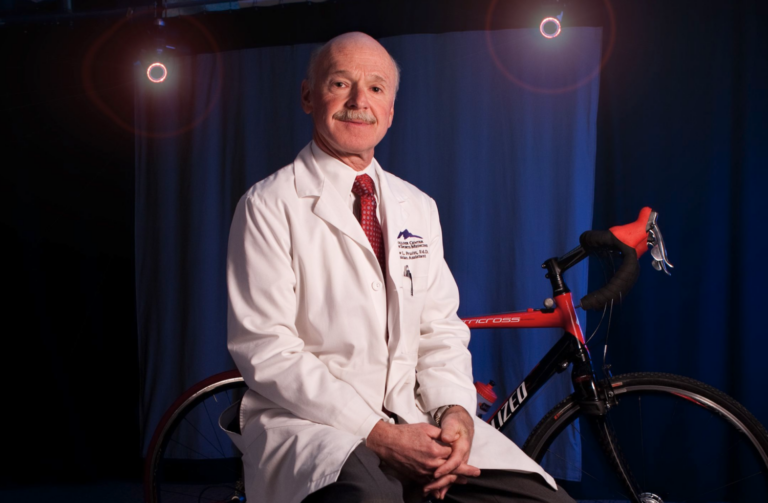
Dr. Andy Pruitt dissects some of the most common cycling injuries and how to approach prevention so you can stay healthy.
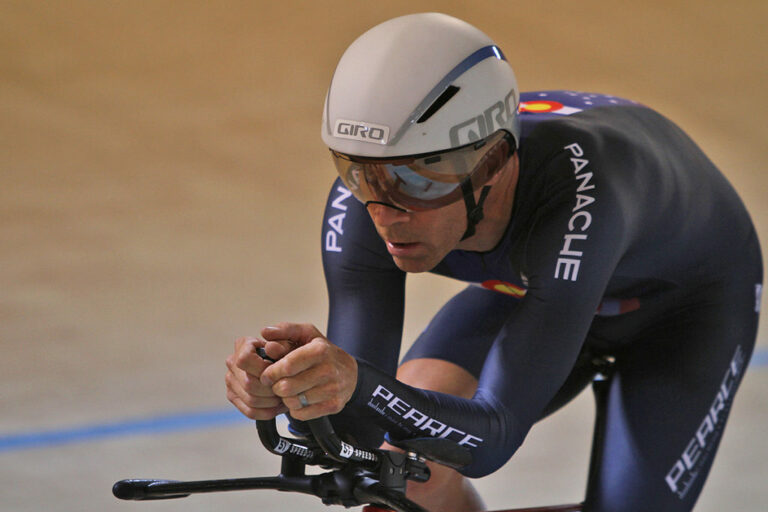
Colby Pearce, US Track Olympic athlete, join us to share what he knows about attempting the hour record on the track. This is an inside look at the training he did, the difficulties of selecting gears, and training on a track that was different from the one where he set the record, and how he managed the pain. Pearce set the master’s 45-49 world record with a scorching 50.245 kilometer effort after this was recorded.

Lennard Zinn joins us today to delve into why bike design elements—like fork offset, trail, and head tube angle—have a bigger impact on a bike’s performance and ride quality than frame material, or any of the things we focus on when checking out what our friends are riding.
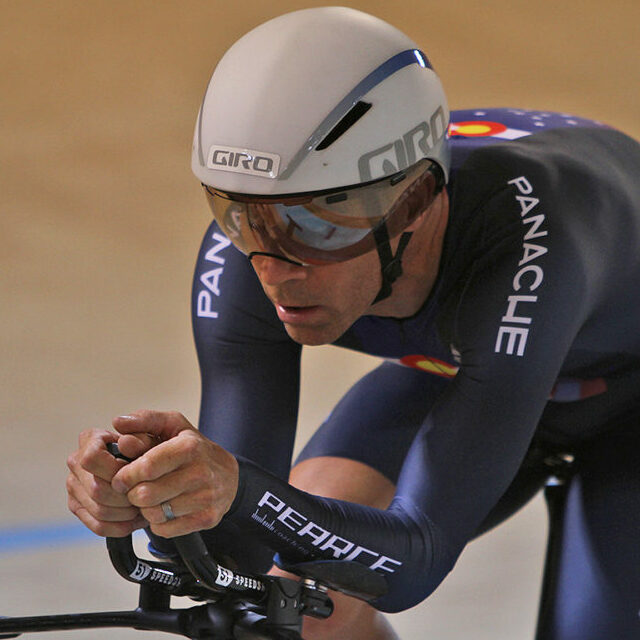
Colby Pearce, Hour Record holder, is here to dive deep into the Hour. Chris Case has a good bit of knowledge to drop on the subject as well, since he made an attempt in 2015. Training tips and techniques are here!
Mindset in cycling, especially racing, is an important and frequently neglected side of our training. Mindset is often all that separates the best from second best and can be the difference between reaching the podium or finishing a race.
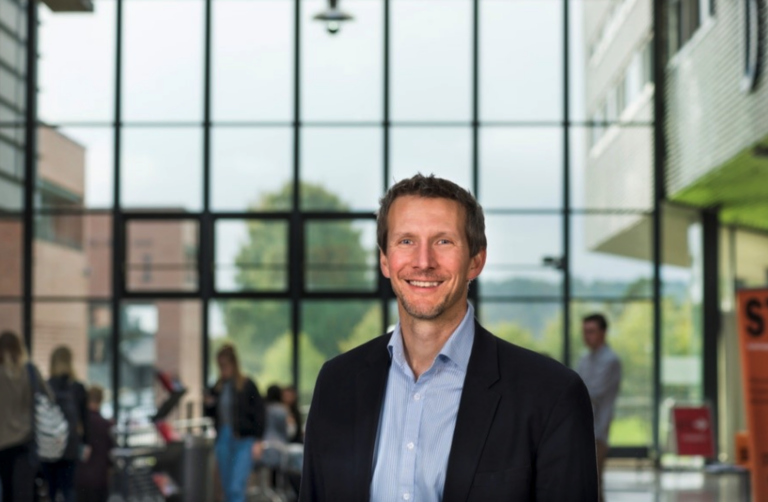
Dr. Stephen Seiler breaks down the application of the polarized training model, addressing what is meant by the two thresholds—LT1 and LT2—and how to determine yours. We also discuss why it’s important not to over-estimate LT1 or LT2, and how to use them to determine your zones in a three-zone model.
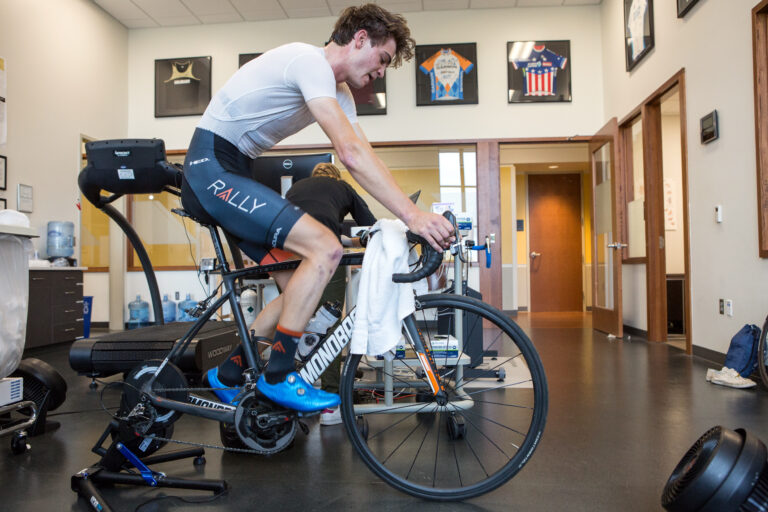
Sepp Kuss former rider for the University of Colorado team, now a member of Jumbo Visma shares his experience of transitioning from an amateur rider to a WorldTour athlete.
There’s some great advice about training, raising your level, and the value of persistence.
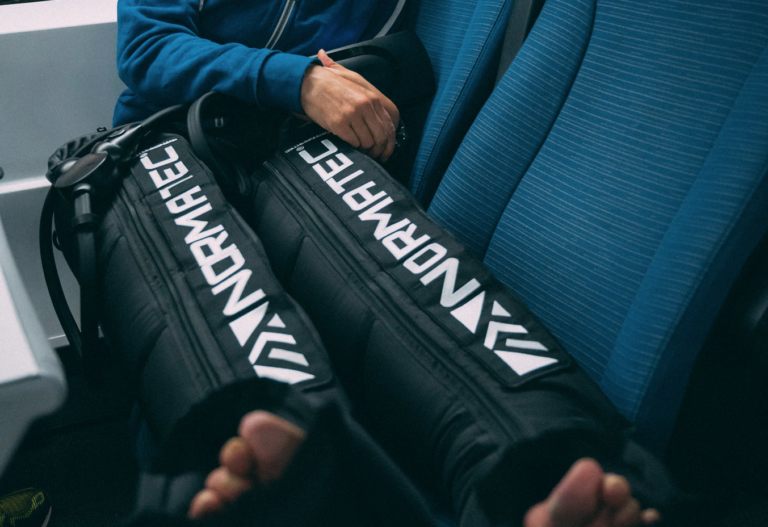
Recovering from a big ride can be helped by NormaTec, a medical device company, that crafts inflatable compression wear for athletes. Research has shown this type of recovery enhancement can have significant impacts on a host of factors, both molecular and circulatory.
This episode is a deep dive into polarized training with Dr. Stephen Seiler, Grant Holicky, Andrew Randall, Steve Neal, and Larry Warbasse.
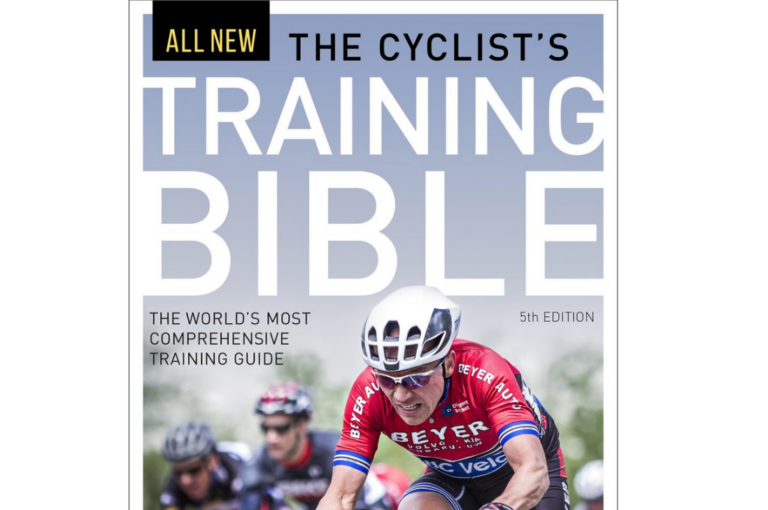
We talk with Joe Friel about the newest edition of his bestselling cycling training book The Cyclist’s Training Bible. We touched on everything from periodization to energy systems, to Joe’s method of research…which believe it or not, has a lot to do with hundreds of 3”x5” note cards.
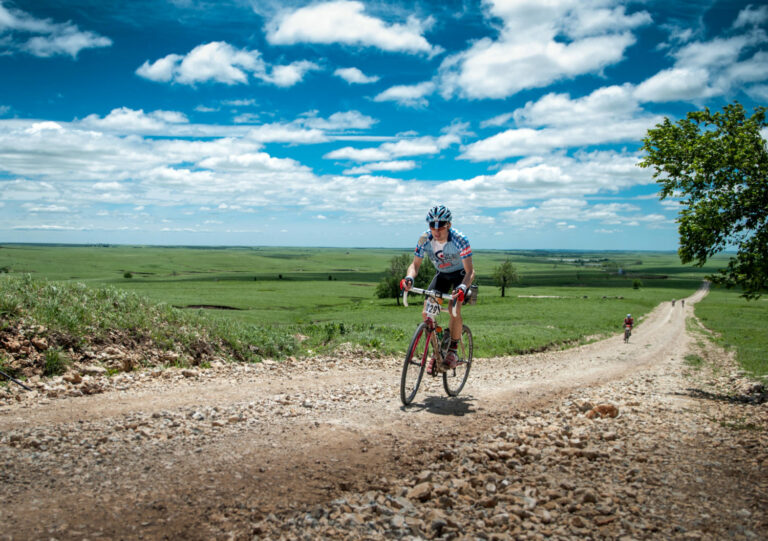
Chris Case took a second crack at the grueling ultra-endurance gravel race, DK 200, a 200-plus mile gravel race across the Flint Hills of Kansas with the coaching assistance of Trevor Connor. The challenge of turning Chris into an endurance rider focusing on everything from race strategy, pacing, hydration, and fueling.