Preventing and Managing Illness During Endurance Training
The closer we get to peak fitness, the more vulnerable we may become to illness. We explore how to prevent illness, and how to train effectively when it strikes.

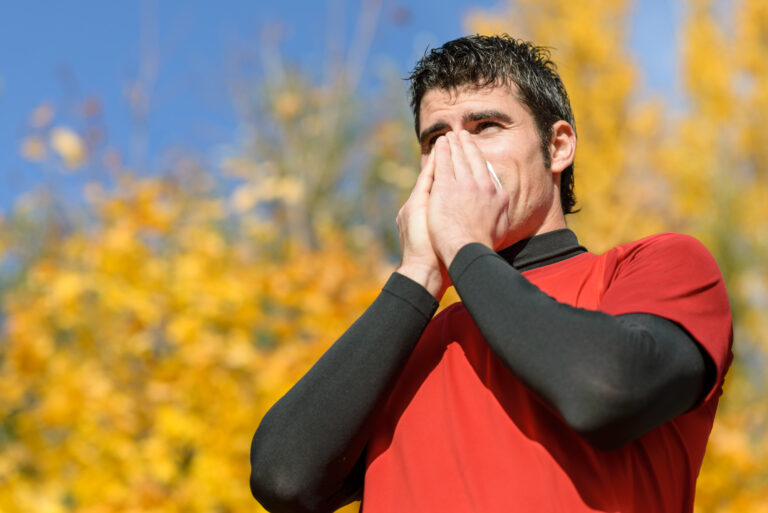
The closer we get to peak fitness, the more vulnerable we may become to illness. We explore how to prevent illness, and how to train effectively when it strikes.
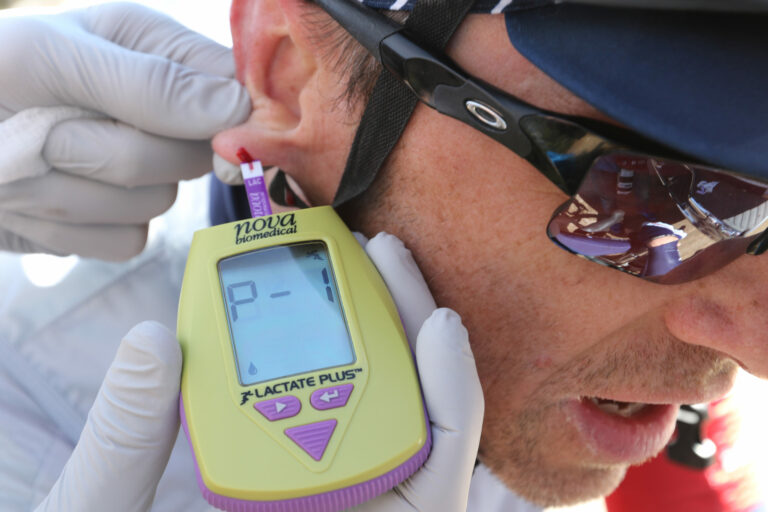
As more athletes decide to dive into do-it-yourself lactate testing, we explain how to best conduct measurements and how to avoid the most common mistakes.
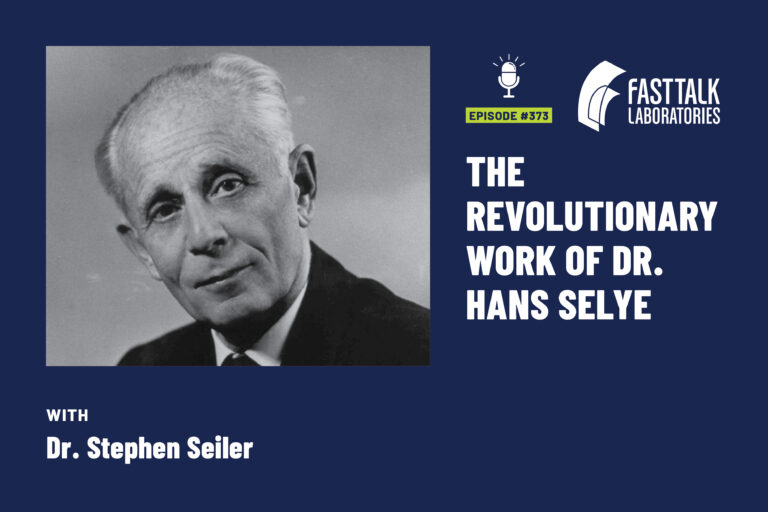
Dr. Stephen Seiler joins us to talk about one of the biggest influences on his own work, Dr. Hans Selye who’s been called the Einstein of the biological sciences.
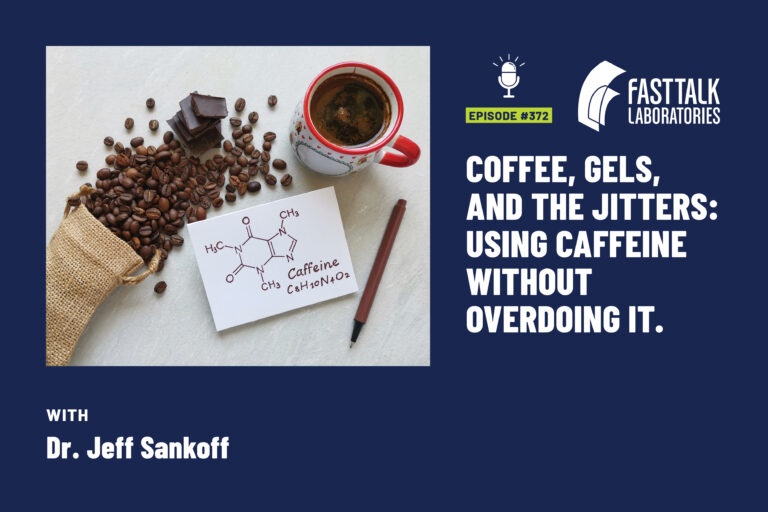
In this episode we explore the science of caffeine in endurance sports—when it helps, when it doesn’t, and how to use it wisely.

We look at the latest research on the safety, benefits, and precautions for expecting mothers.

Our hosts talk about why we shouldn’t believe that more is always better, how to build a weekly time trial series into your training, and what research we’d like to see conducted.
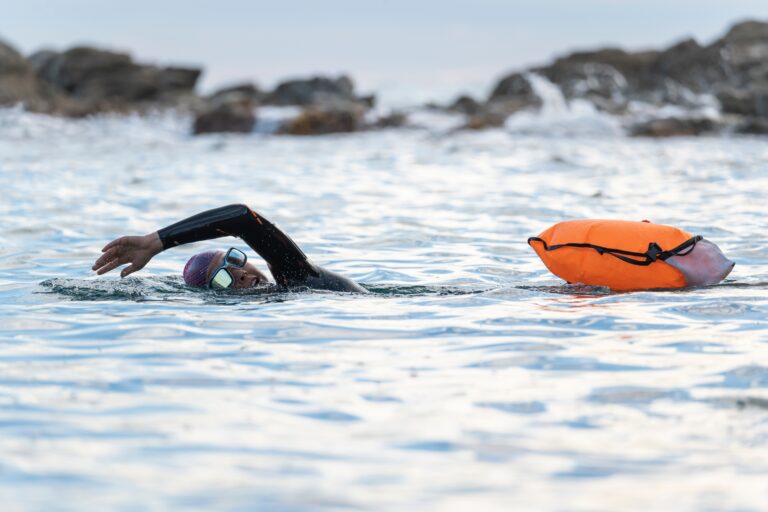
Whether it’s toxic algae blooms, wildlife encounters, or boat traffic, there are many safety considerations to take into account when swimming in open water.
We talk with Brad Culp, author of “The Norwegian Method,” about the main tenets of the training philosophy, as well as who should and shouldn’t apply the method in their training.
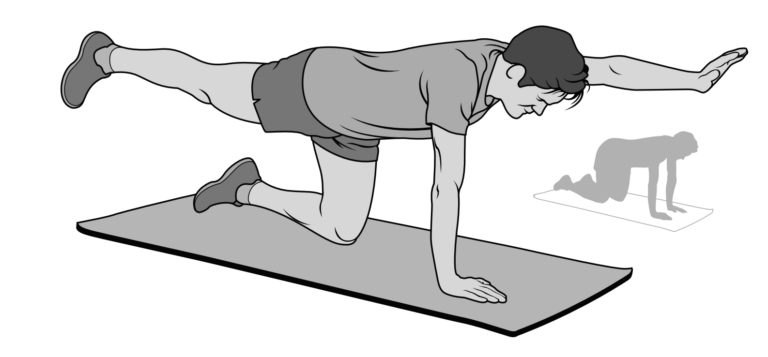
The importance of a strong core for athletic performance can’t be overstated. Trevor Connor details the various benefits of a strong core, and the disadvantages of a weak one.
Mollie Brewer joins us to discuss how we interact with data – which can say as much about coaches and athletes as the data itself.

This client-centered counseling approach enhances your ability to guide your athletes toward improved motivation and commitment.

On this episode, Lennard Zinn shares his decades of experience and experimentation to help answer the question of whether shorter cranks are better.

Understanding when and how to introduce HIIT can make all the difference in an athlete’s ability to absorb training and optimize performance.
This week, we share an episode from the TriDoc Podcast. Host Jeff Sankoff is joined by dietitian Alex Larson and coach Juliet Hochman to explore the complex relationship between body composition, fueling, and performance—plus how coaches can support athletes without crossing the line.
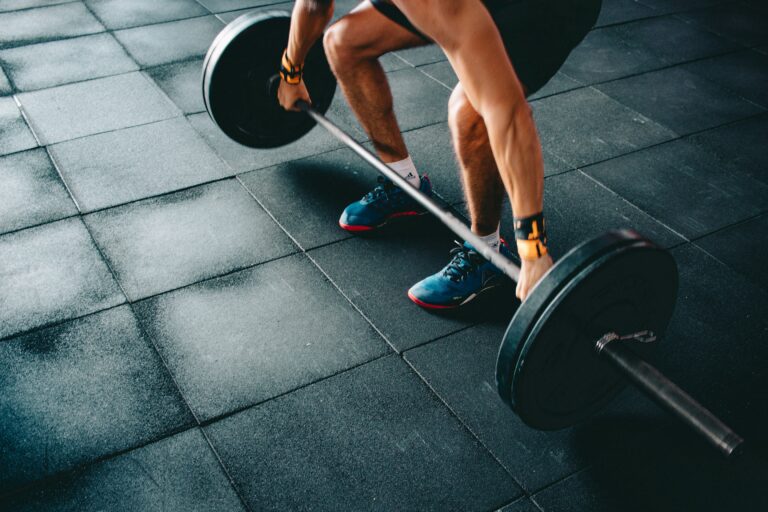
In part 3 of our series on movement literacy for cyclists, Dr. Stacey Brickson delves into stability and strength to make you a healthier cyclist.
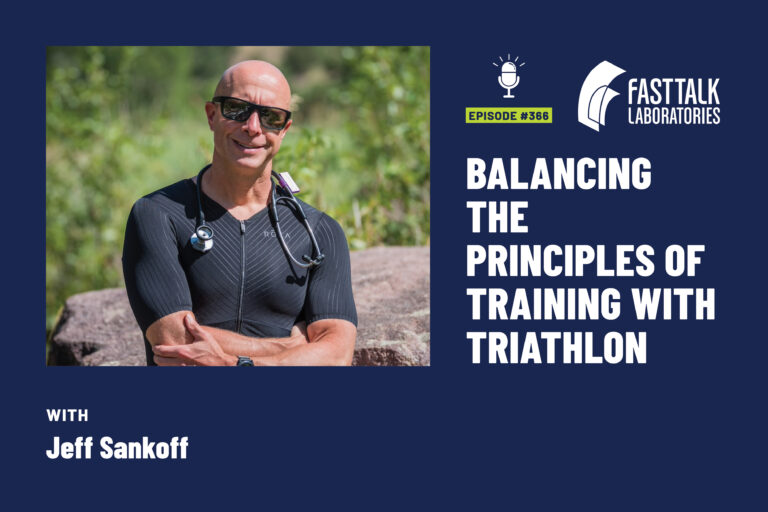
The TriDoc Jeff Sankoff joins us to talk about how to still apply the principles of supercompensation and progressive overload in a sport as complex as triathlon.
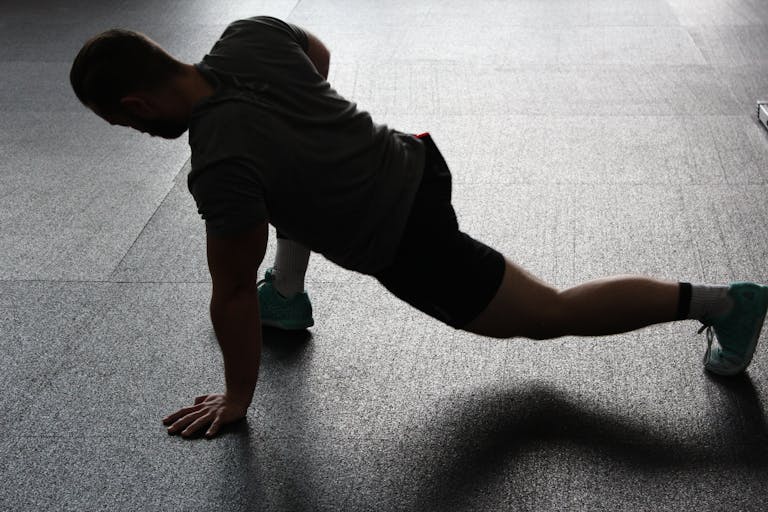
In part 2 of our series on movement literacy for cyclists, Dr. Stacey Brickson delves into mobility and flexibility to make you a healthier cyclist.

In this multi-part series, Dr. Stacey Brickson details several tools built on a hierarchy of mobility, flexibility, stability, and strength, designed to make you a healthier cyclist.