How to Use Data to Make Better Training Decisions, with Tim Cusick
We explore how to use a training philosophy to design your program, then use metrics to guide how much, how often, and how difficult those workouts should be.


We explore how to use a training philosophy to design your program, then use metrics to guide how much, how often, and how difficult those workouts should be.
Which is better, sweet spot training or polarized training? To find out, we invited in proponents of each type of training — FasCat’s Frank Overton on the sweet spot side, and Boulder Center for Sports Medicine’s Ryan Kohler to advocate for a polarized model — and let them have at it.

For decades, weight management has relied on an assumption: that manipulating calorie intake will predict weight gain or loss. But does it actually work?
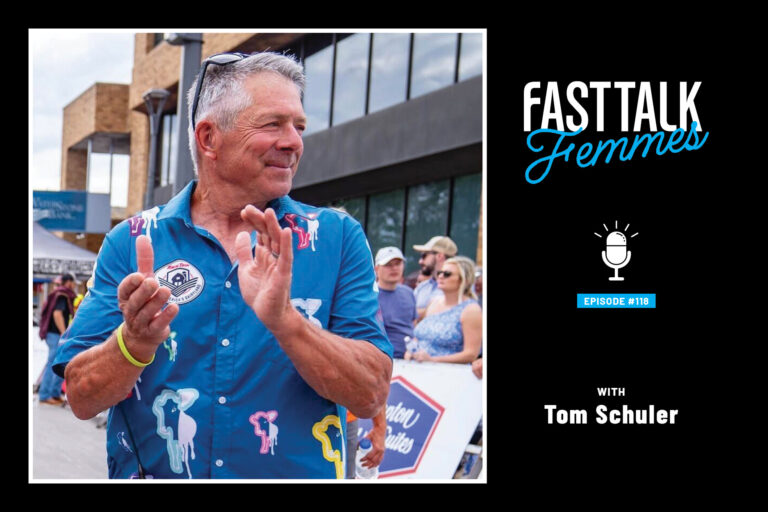
Tom shares insights from his experience in developing and managing women’s professional endurance sports teams, talks about the ROI for sponsors, and provides advice for aspiring female cyclists.

We dive into blood flow restriction, anti-aging supplements, post-activation potentiation, and the potential fringe training benefits you may never have even heard of.

Coach Connor busts several myths as he discusses the good, the bad, and the ugly of CTL.
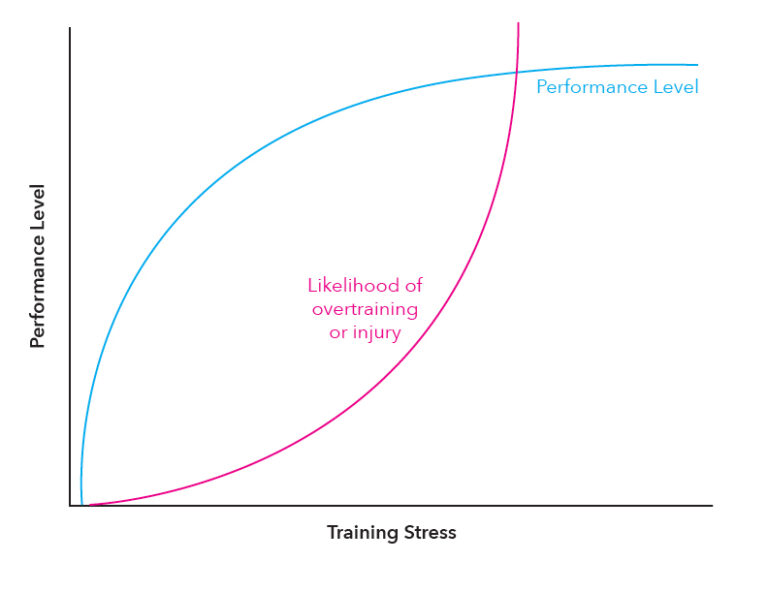
Eighty percent of what you need to know about endurance training can be illustrated by a simple graph. Coach Connor and his mentor Glenn Swan explore this simple concept.