Advanced Performance Data Analysis Pathway
Learn advanced data analysis for cycling, triathlon, and running workouts and races. With new data analysis tools, you can make better decisions about your training.

Cycling training is a science and an art. How endurance athletes train, when they train, and the intensity and duration of that training all affect the gains and adaptations they see.
Proper interval execution is essential to see the expected progress. How you analyze and interpret all that data is equally valuable. Of course, training needs to be planned so it fits into any given season, race schedule, and lifestyle. Off the bike, the importance of strength and conditioning is often neglected.
This is training. This process is what athletes live for.

Learn advanced data analysis for cycling, triathlon, and running workouts and races. With new data analysis tools, you can make better decisions about your training.

We asked for your questions on our 200th anniversary episode and we got so many of them that we decided to dedicate another episode to answer them.
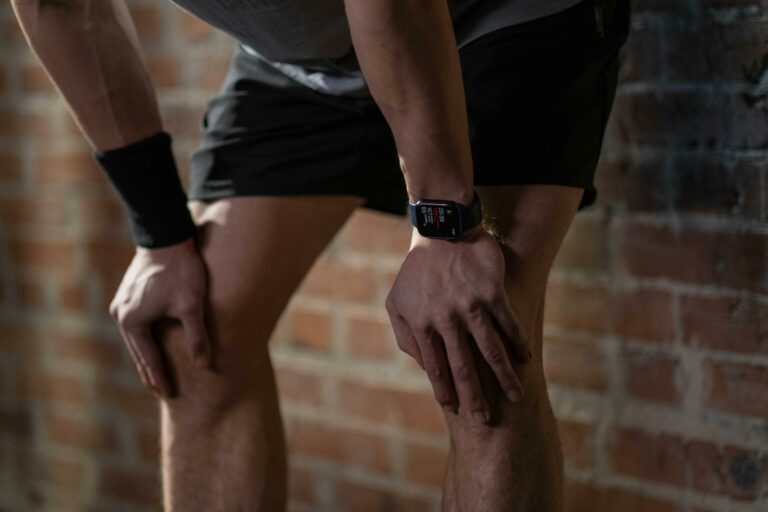
Multiple-time Polka Dot Jersey Holder, Toms Skujins, discusses lactate testing, CGMs, ketone strips, and taking his own blood on the side of the road.
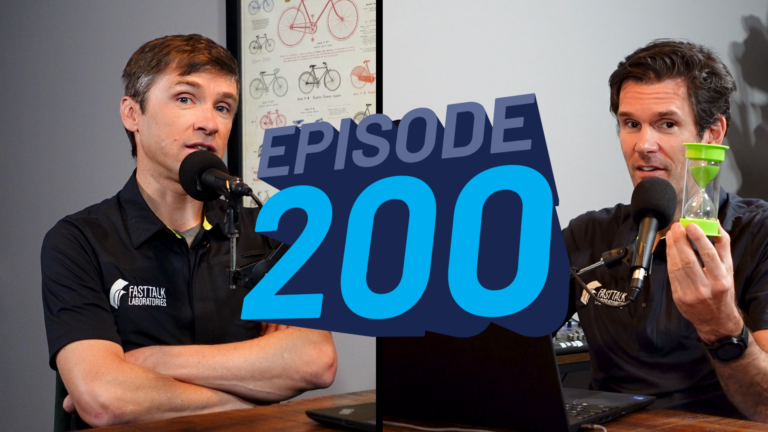
What will the future of endurance sports look like? From training to research to racing, we examine what is to come.
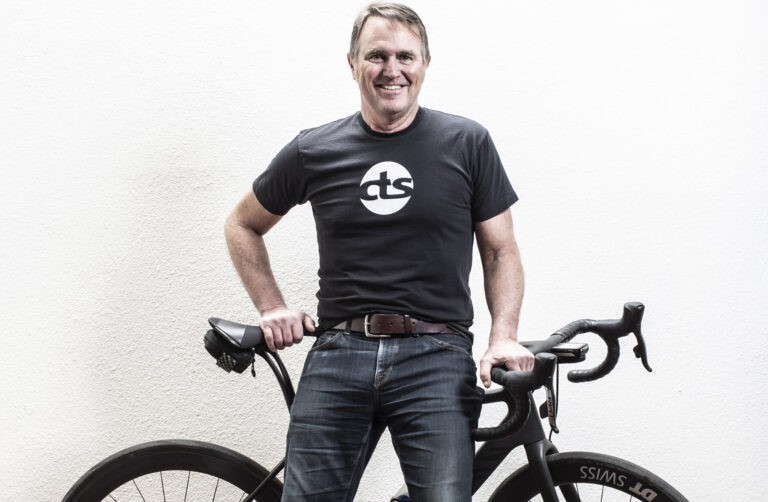
The author of “The Time-Crunched Cyclist” joins Fast Talk to discuss the science, merits, and limitations of the time-crunched training method.
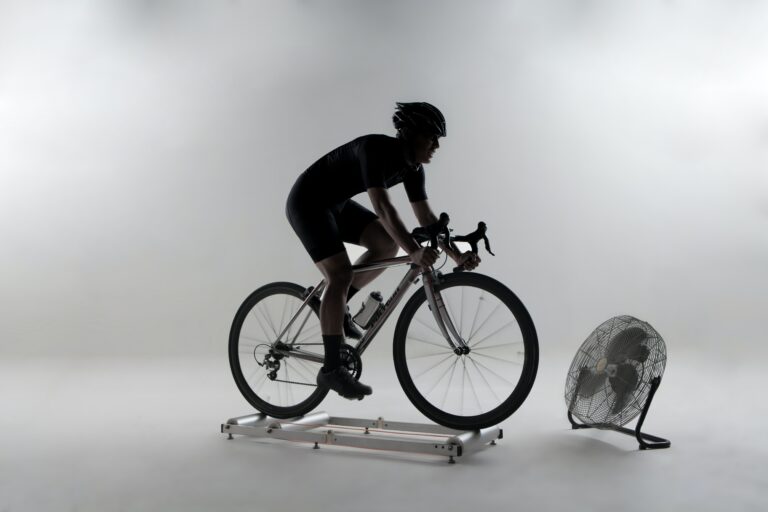
Used strategically, riding inside can be a beneficial way to keep motivation high, effectively add intensity, and stave off winter training doldrums. With the help of Joe Friel, Dr. Stephen Seiler, and others, we explore all aspects of indoor cycling.
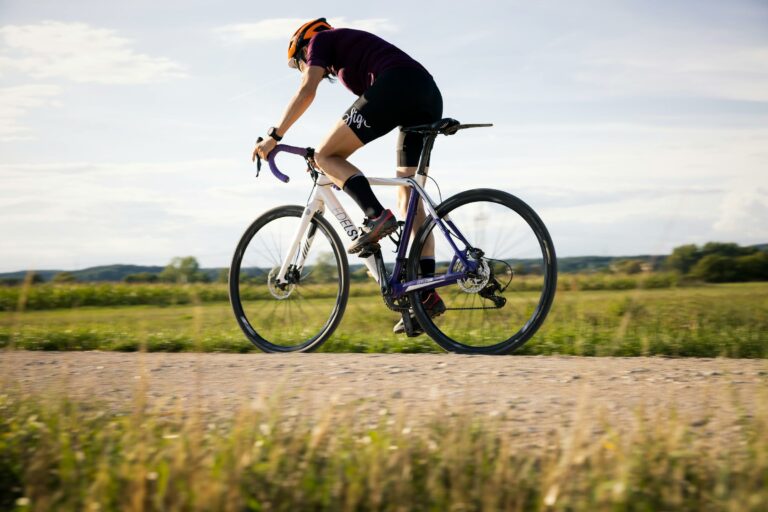
Fast Talk all-star guests including Dr. Iñigo San Millán, Dirk Friel, and Ben Delaney reveal their favorite workouts.
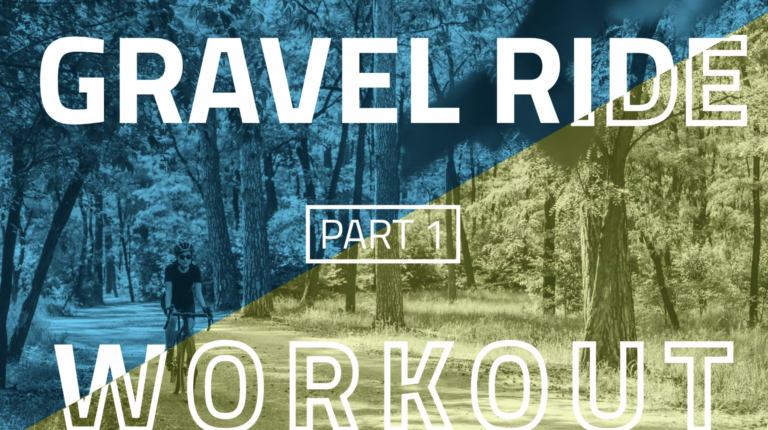
Coach Ryan Kohler explains the best way to improve durability so you can consistently and repeatedly ride a strong tempo.
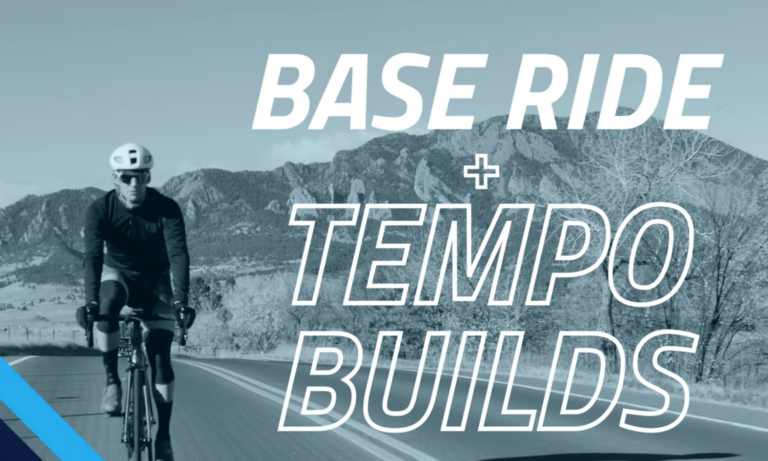
Coach Ryan Kohler details this base-season workout that will help you maintain a high aerobic output over a long duration.
We’re joined by coach and athlete Julie Young who helps us field questions on how to build an annual training plan, coping with race stress, and overcoming body image issues.

Coach Ryan Kohler highlights his favorite Intervals.icu analysis tools and how to use them to improve your training.
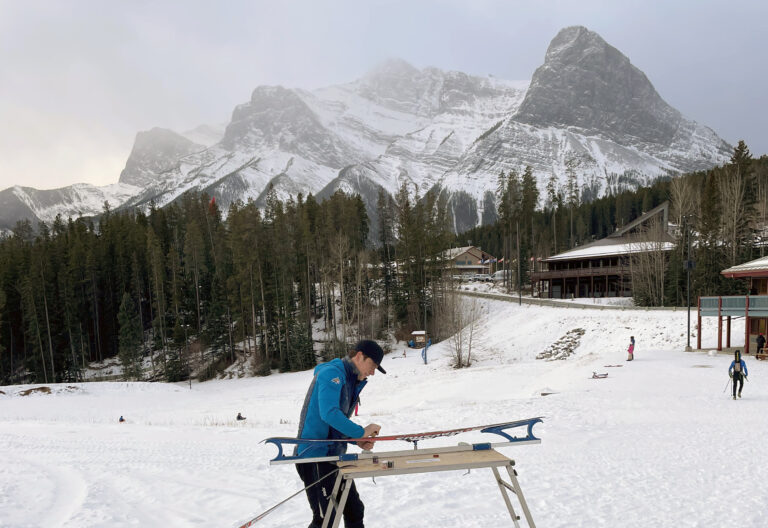
Physiologist and coach Adam St. Pierre helps us explore questions on Nordic ski training, signs of recovery, and mixing various training modalities.
Knowing how a race or workout feels—aka RPE—is an extremely important sense for endurance athletes. With the help of top cycling coaches, athletes, and researchers, we explore why RPE may be more important than power, heart rate, and other metrics.
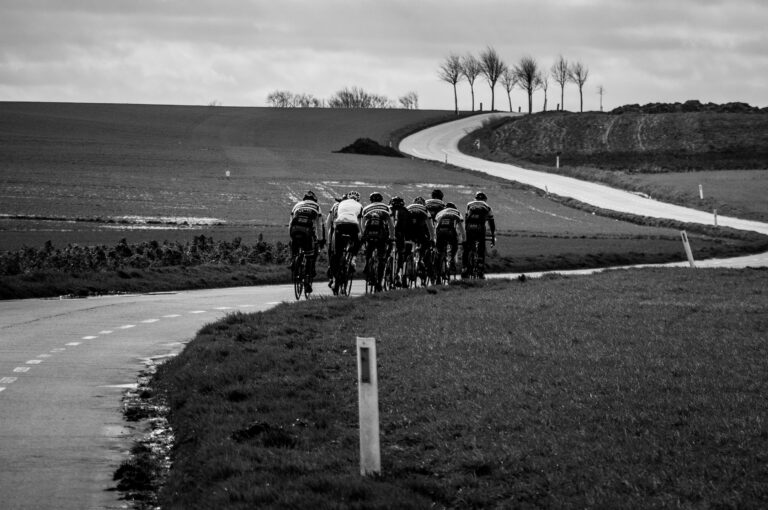
It’s hard to find time to fit in the long, slow miles that traditionally comprise the base season. Coach Trevor Connor offers suggestions for improving life-training balance, understanding quality versus quantity, and more.

The concept of base training has been a part of endurance training for decades. Laying a foundation of fitness early in the season sets the stage for success later on. With the help of Joe Friel, Dr. Stephen Seiler, and Dr. Andy Pruitt, we explore the how and why of this fundamental aspect of endurance training.
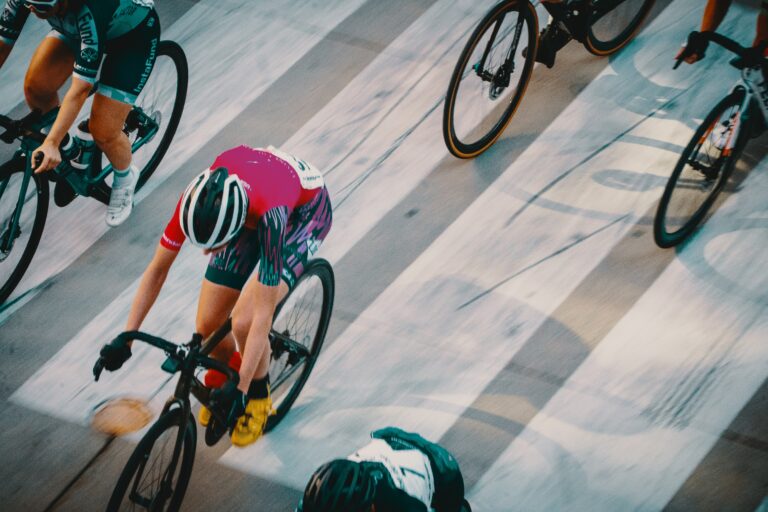
Physiologist Rob Pickels nerds out with Coach Trevor Connor for a deep dive into new scientific research.

Chris Case explains why indoor cycling differs from outdoor riding, then offers tips to help you get the most out of your indoor sessions.
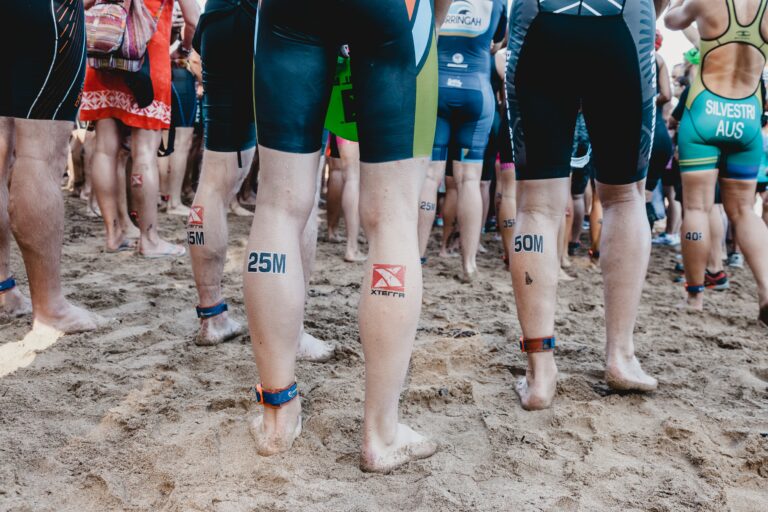
If you’re new to triathlon, equal training among the three sports may be all you need. But for advanced athletes, a more sophisticated approach involves unequal distribution between the disciplines.