The Fast Talk Labs Guide to Thriving During the Holidays
Training at this time of year can be tricky. We’re here to help you with our top 10 tips for success during the off-season.

Cycling training is a science and an art. How endurance athletes train, when they train, and the intensity and duration of that training all affect the gains and adaptations they see.
Proper interval execution is essential to see the expected progress. How you analyze and interpret all that data is equally valuable. Of course, training needs to be planned so it fits into any given season, race schedule, and lifestyle. Off the bike, the importance of strength and conditioning is often neglected.
This is training. This process is what athletes live for.

Training at this time of year can be tricky. We’re here to help you with our top 10 tips for success during the off-season.
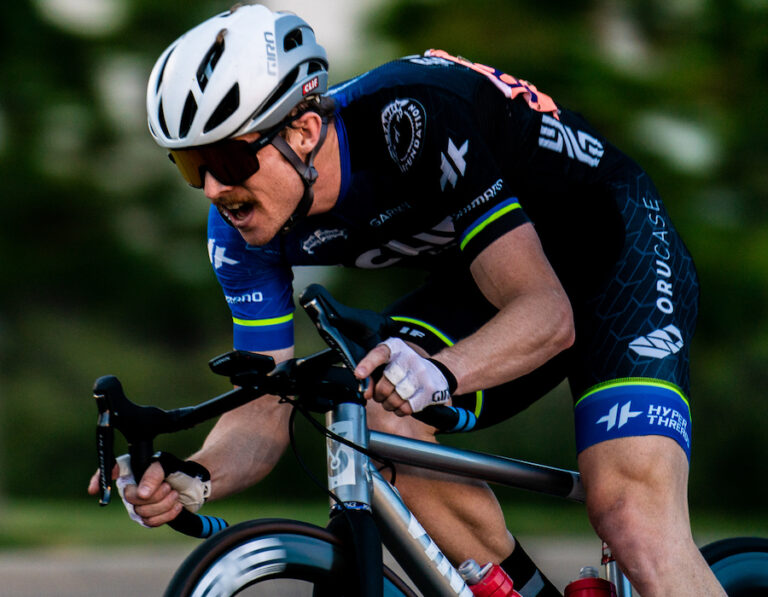
Then we’ve got some news you might like. Research out of Norway shows two shorter workouts can help build endurance in the same way those long workouts can.

We dive deep into the world of AI to understand how it can be used for optimal training and performance.

The benefits of polarized training are well known, but is there a minimal dose needed? We find out.

The semi-annual time change can often wreak havoc with our sleep and training. Find out how to mitigate its impact and use it to your advantage.
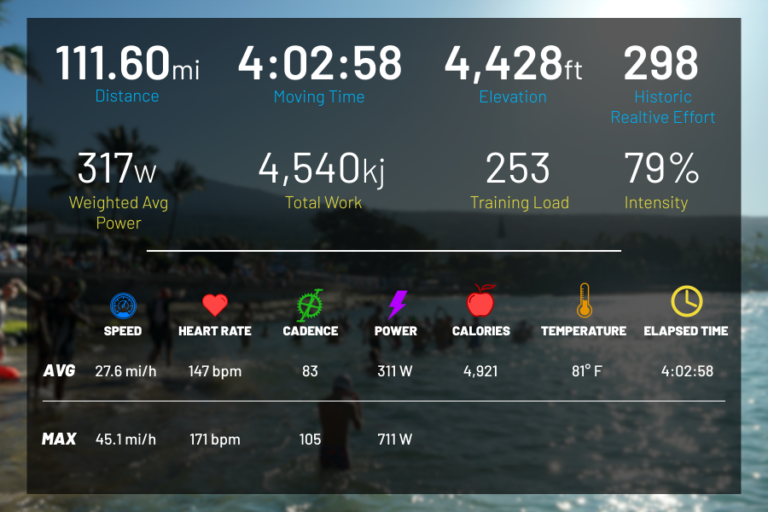
Sam Laidlow took almost five minutes off the bike course record at the Ironman World Championship. We do a deep-dive analysis on his power file to find out how he did it.

Ironman Kona vs. Leadville 100. We ask athletes who have raced both and offer tips for success at each.

Heat, humidity, wind, pacing—we take a look at some of the factors that affect success at the Ironman World Championship in Kona.
Load, stress, strain—they’re terms we hear a lot in sports science, but what do they mean? Dr. Stephen Seiler explores how your internal response to external load will change as you become fitter and more durable.

Get the right mix of intensity at the right time and polarized training pays off. Take a disciplined approach for best results.
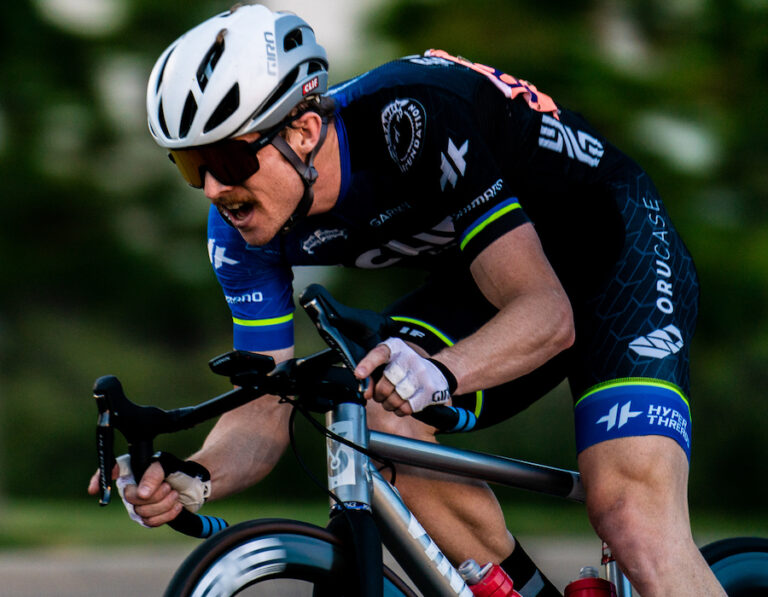
The concepts of central and peripheral conditioning help explain why an effective training base period leads to speed and durability in the race season.
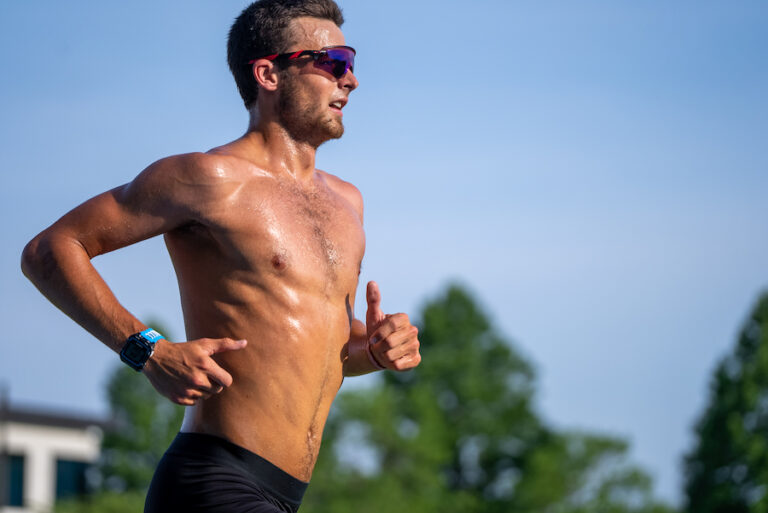
Sticking to 80/20 and training by heart rate are just two of the key polarized training rules you’ll want to follow.
Polarized training is most successful when your body is ready for high-intensity sessions. Understanding how your autonomic nervous system works can help you time it right.
Polarized training is all about building duration without incurring high stress. Where does your steady state break down and what can you do about it?
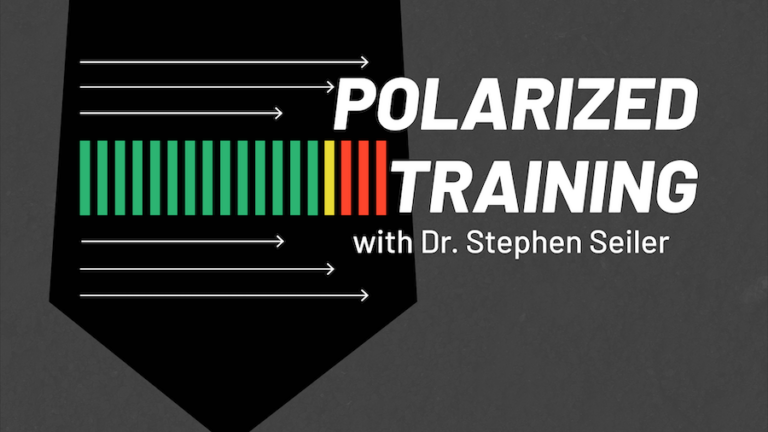
Dr. Stephen Seiler explains why polarized training is a winning strategy for the long game of endurance sports. By balancing the stress of training, athletes see bigger gains over time.
It can be very easy to train at a moderate intensity all the time, which can be a surefire way to land in an overreached state. Polarized training can help prevent that—and in this video, Dr. Seiler explains how.

Intensity can be a slippery slope for endurance athletes—there is a temptation to push harder and longer. The real recipe for performance might entail some new priorities.
Scientists have worked closely with athletes and coaches to define the polarized model and explain how it works. Who leads the way? Dr. Seiler talks about the scientific process playing out in valuable ways in both research and the real world.