Bonus Q&A on Intensity Vs. Volume, Overtraining, Lab Testing, and More
In episode 92, we answer questions on how to structure your training, overtraining, and laboratory testing.

Cycling training is a science and an art. How endurance athletes train, when they train, and the intensity and duration of that training all affect the gains and adaptations they see.
Proper interval execution is essential to see the expected progress. How you analyze and interpret all that data is equally valuable. Of course, training needs to be planned so it fits into any given season, race schedule, and lifestyle. Off the bike, the importance of strength and conditioning is often neglected.
This is training. This process is what athletes live for.
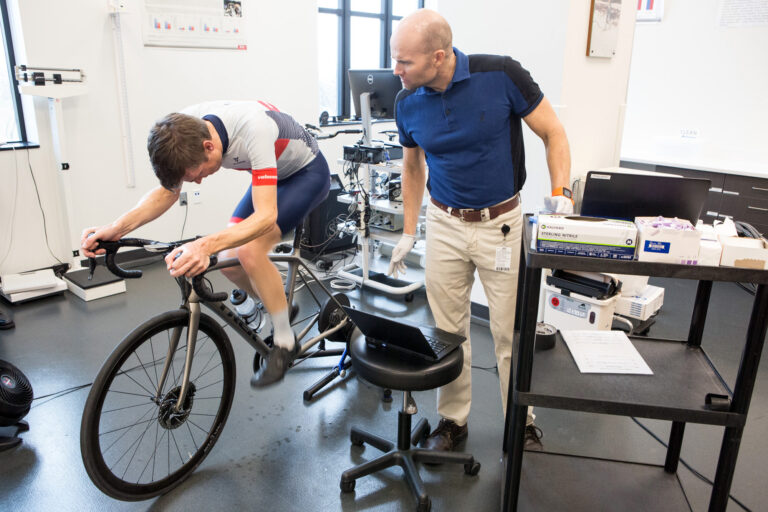
In episode 92, we answer questions on how to structure your training, overtraining, and laboratory testing.
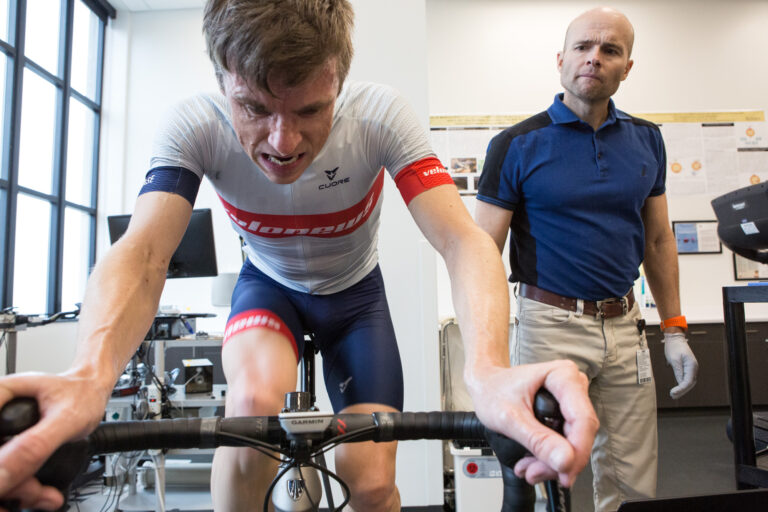
We talk with exercise physiologist Jared Berg about the value of athlete physiology testing like VO2max and lactate testing at the University of Colorado Sports Medicine and Performance Center.
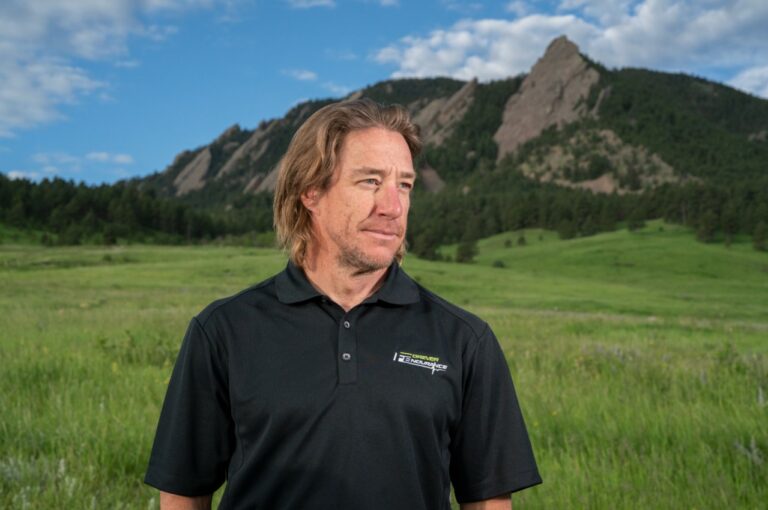
How do we map out our seasons and prepare for a couple events? Do we still need to periodize? Can we be on form all year round?
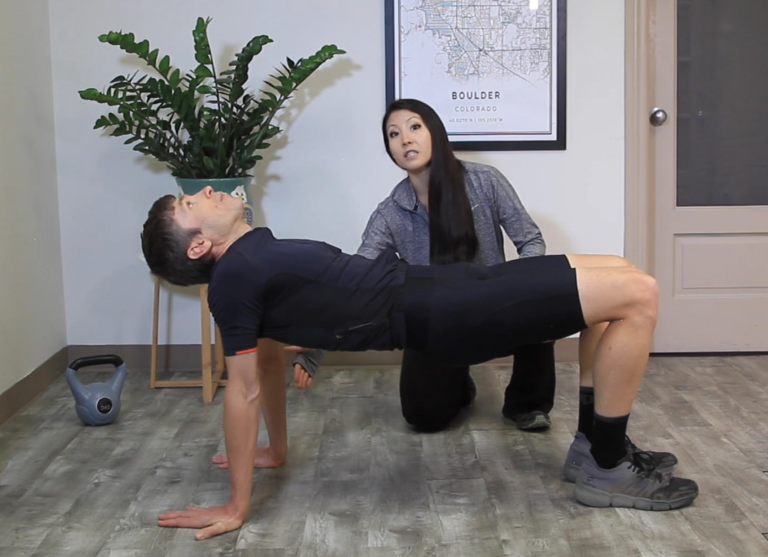
We discuss four of the most common overuse and imbalance injuries in cyclists and how to address them with off-the-bike work and proper bike fit.
We discussed the overall polarized approach in episodes 54 and 51. Today, we’re going to talk about the other side: high intensity work.
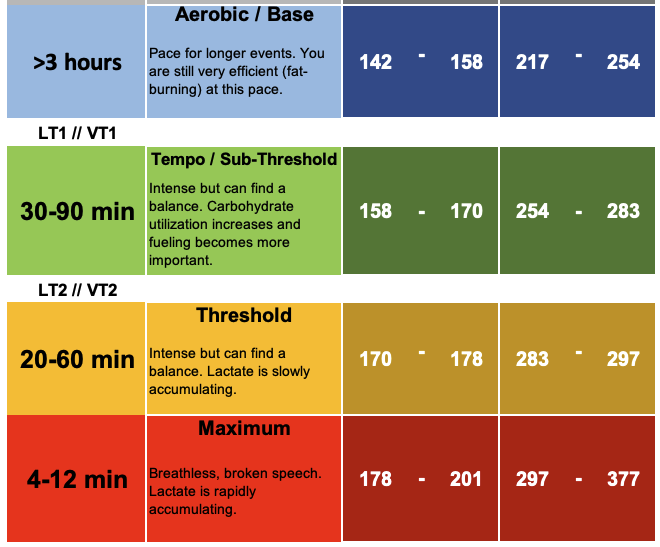
Training zones can have tremendous value when they guide workouts and help us talk about how we train. But training zones can be problematic.

Take a deep dive into functional training with Menachem Brodie—what is it, why do cyclists need it, and how to execute it.

We’re breaking down the three rides you should do – long rides, high-intensity rides, and recovery rides.

Cycling coach Joe Friel explores endurance periodization and its four core concepts: overload, specificity, reversibility, and individualization.
This Q&A episode we’ll answer questions about diet, the value of short easy rides, sub-threshold work in a polarized training model, and inflammation.
Dr. Stephen Seiler breaks down the application of the polarized training model, addressing what is meant by the two thresholds—LT1 and LT2—and how to determine yours. We also discuss why it’s important not to over-estimate LT1 or LT2, and how to use them to determine your zones in a three-zone model.
This episode is a deep dive into polarized training with Dr. Stephen Seiler, Grant Holicky, Andrew Randall, Steve Neal, and Larry Warbasse.
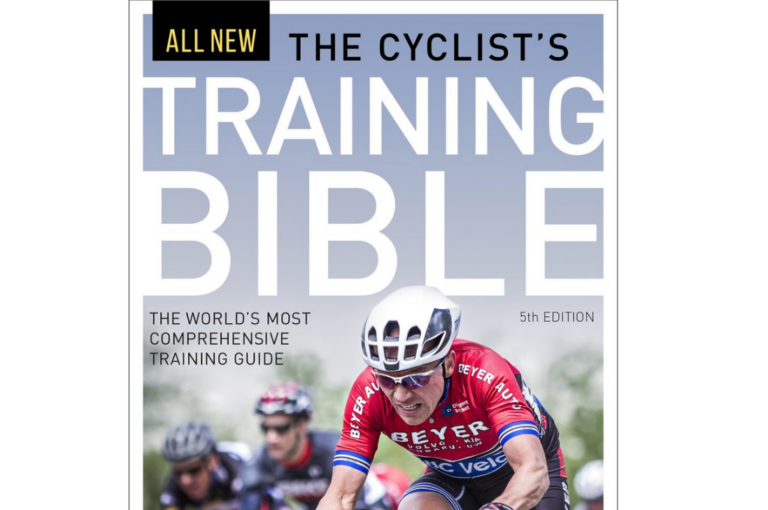
We talk with Joe Friel about the newest edition of his bestselling cycling training book The Cyclist’s Training Bible. We touched on everything from periodization to energy systems, to Joe’s method of research…which believe it or not, has a lot to do with hundreds of 3”x5” note cards.
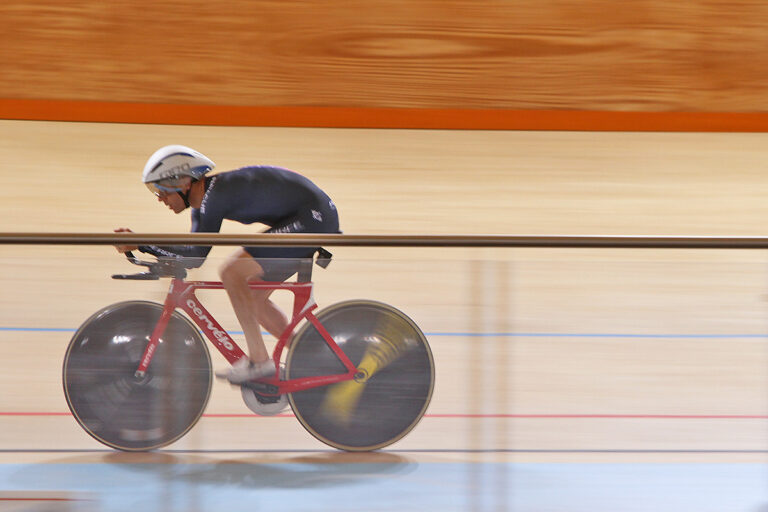
In today’s episode, learn the exercise science behind peaking for your racing season — including how long it takes, why we do a fatigue block to start the peak and the science of what happens physiologically to produce the peak. Tapering your training is tricky so we’ll review some of the more common mistakes that you can run into.
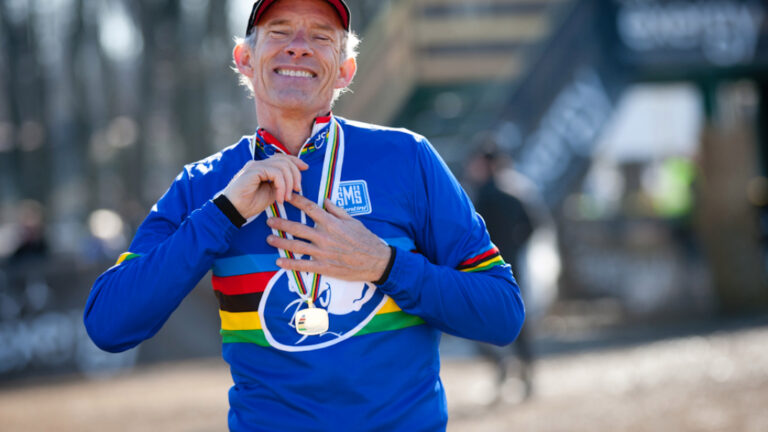
Maintaining strong training on the bike while aging isn’t as difficult as it may seem, as guest MTB champion Ned Overend illustrates.
We will delineate what age effects truly exist — for example, a drop in maximum heart rate — and others that have been traditionally attributed to aging that now appear to be trainable, such as a loss in fast-twitch muscle fiber strength.

We tackle the always-popular topic of climbing with Sepp Kuss, Dr. Inigo San Millan, Joe Dombrowski, and Ned Overend.

Cyclists can get a little lost in the weight room. Strength expert Jess Elliott helps us understand the fundamentals of strength workouts and how cyclists will benefit from time spent in the gym.
Is it possible to stay fit and fast all year round? We talk to former pro and team director Mike Creed about the toll that cycling takes on a body.