The Personal Side of Coaching – with Grant Holicky
In this roundtable discussion, we dive into how personal connections between athletes and coaches may be more important than training plans.

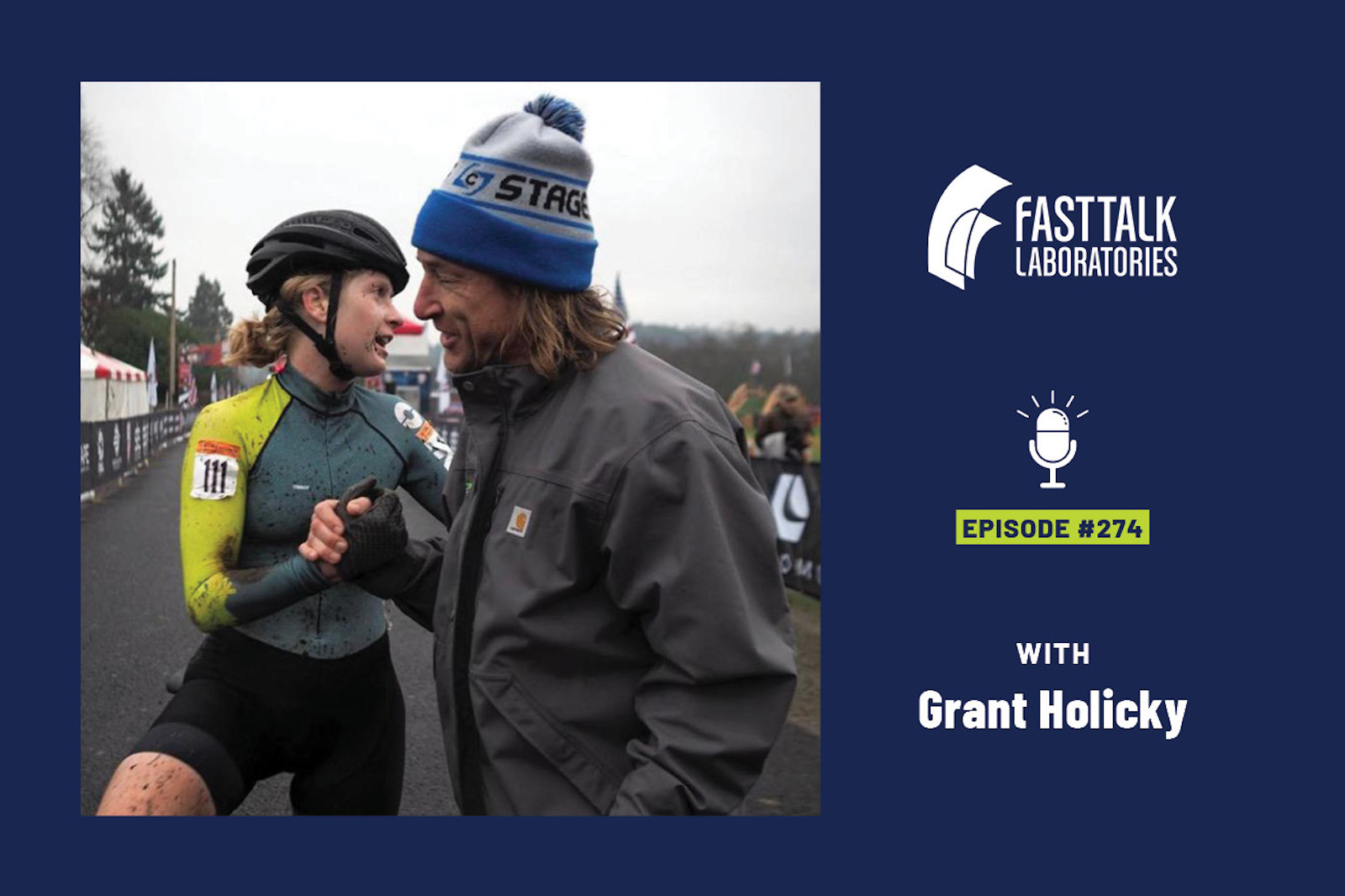
In this roundtable discussion, we dive into how personal connections between athletes and coaches may be more important than training plans.
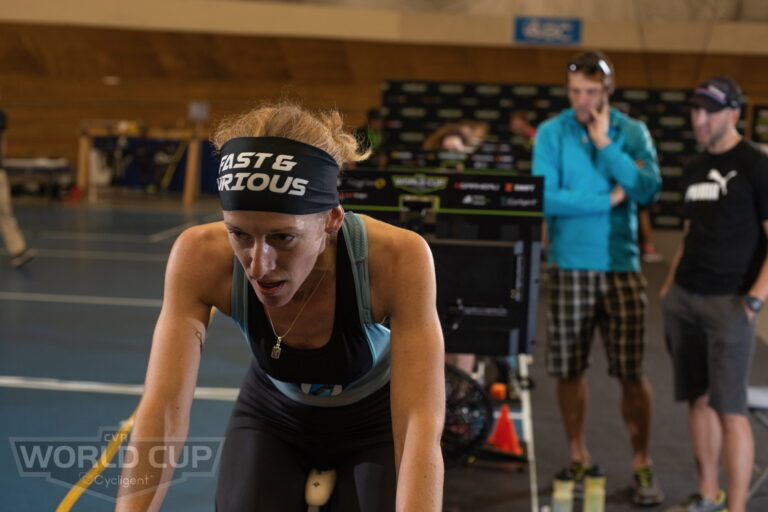
Joe Friel and Jim Rutberg explore indoor cycling and its many nuances.
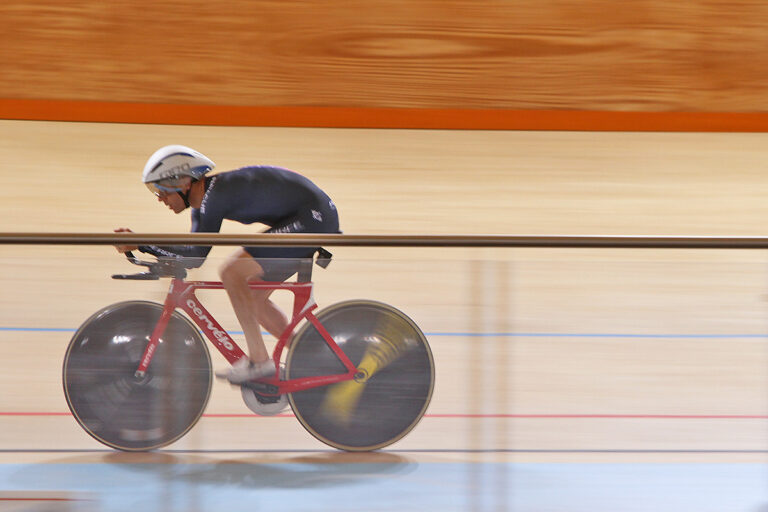
In today’s episode, learn the exercise science behind peaking for your racing season — including how long it takes, why we do a fatigue block to start the peak and the science of what happens physiologically to produce the peak. Tapering your training is tricky so we’ll review some of the more common mistakes that you can run into.
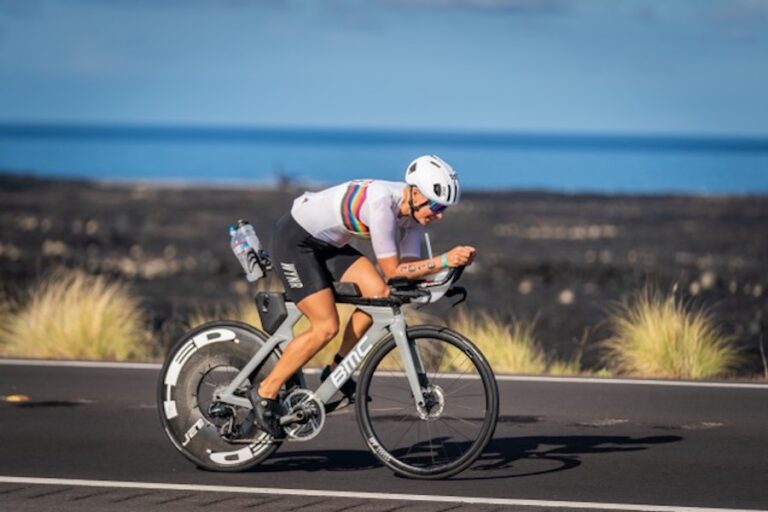
Coach Lauren Vallee talks with us about how cyclists and runners can incorporate the other sport into their training, not only to improve health, but to increase their performance.
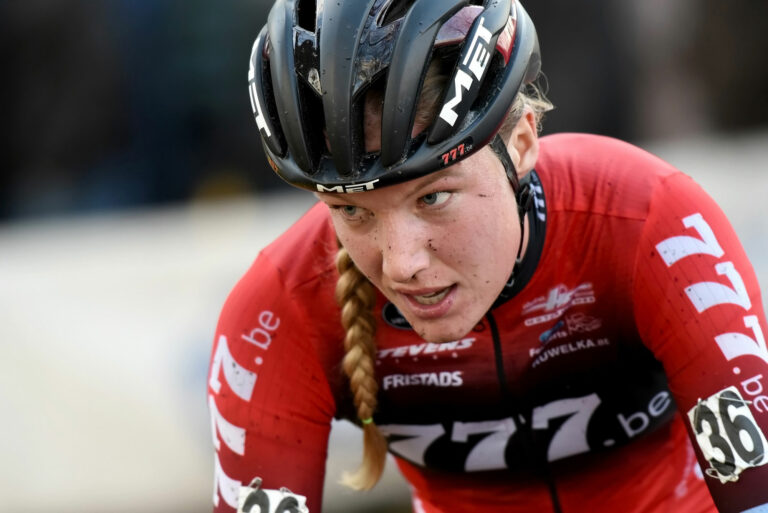
The very best athletes are as strong mentally as they are physically. In the Sport Psychology Pathway from Fast Talk Labs, we explore how to build mental skills with experts like Dr. Simon Marshall, Julie Emmerman, Grant Holicky, Lesley Paterson, and Julie Young.
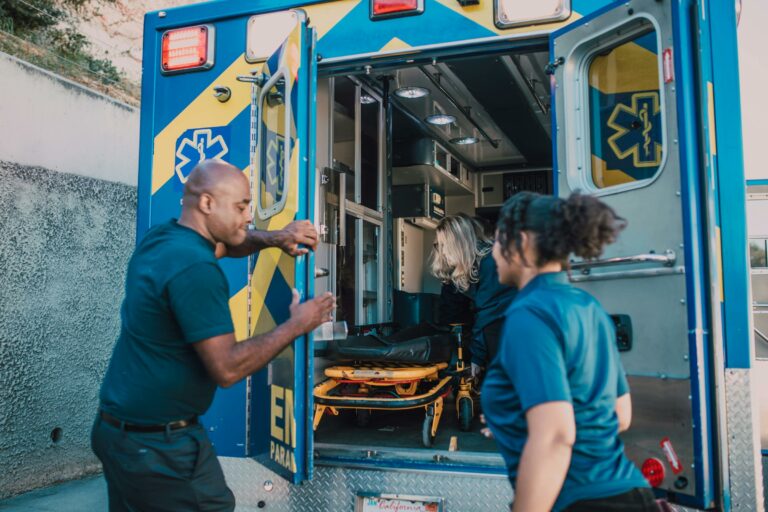
In this week’s show, we talk about marginal gains in the Tour, how best to approach training races, and what to do if you encounter an emergency mid-ride.
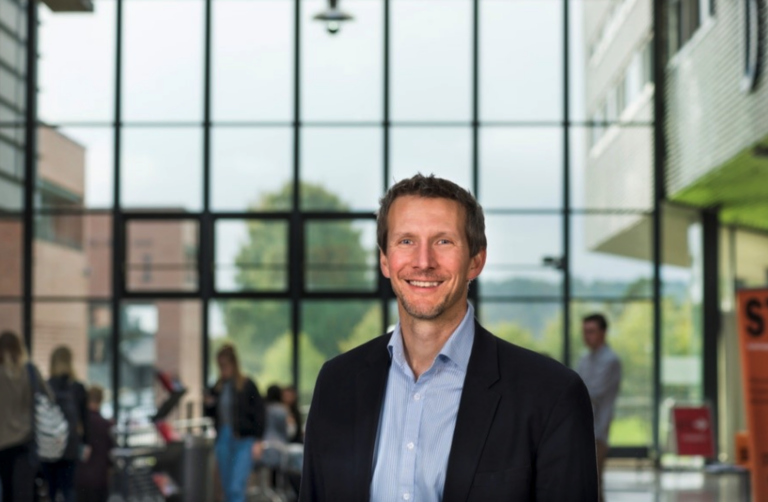
Dr. Stephen Seiler breaks down the application of the polarized training model, addressing what is meant by the two thresholds—LT1 and LT2—and how to determine yours. We also discuss why it’s important not to over-estimate LT1 or LT2, and how to use them to determine your zones in a three-zone model.