Separating Fact from Fiction for Female Athletes—with Dr. Stacy Sims
When it comes to coaching female athletes there’s an abundance of myths and misconceptions. Physiologist Stacy Sims sets the record straight.

Cycling training is a science and an art. How endurance athletes train, when they train, and the intensity and duration of that training all affect the gains and adaptations they see.
Proper interval execution is essential to see the expected progress. How you analyze and interpret all that data is equally valuable. Of course, training needs to be planned so it fits into any given season, race schedule, and lifestyle. Off the bike, the importance of strength and conditioning is often neglected.
This is training. This process is what athletes live for.
When it comes to coaching female athletes there’s an abundance of myths and misconceptions. Physiologist Stacy Sims sets the record straight.
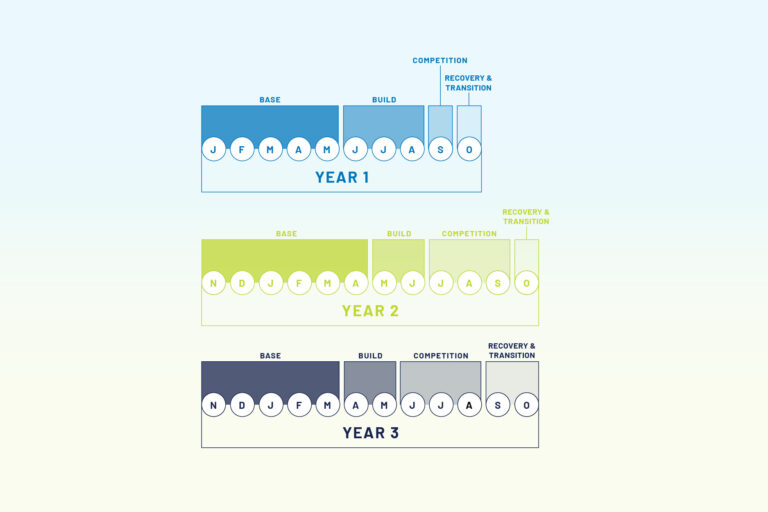
If you’re looking to tackle some ultra-endurance events it’s important to take a longer-term approach to your training that extends beyond a single season. We explain how and why.

This short HIIT session can be used by cyclists or runners to work on power without putting too much stress on the body.

Run your target marathon pace by developing basic speed before anything else.

Make sure you’re fully prepared for your next (or first) bikepacking adventure with this workout with a difference.
He’s coached Olympic and world champions—and in this video he gives his key tips that athletes of all abilities can follow to improve their running.
Siren Seiler talks about the lessons she’s learned from life as an athlete that she’s transferring to her role as a coach.
Learning what works best for your training and adaptation can be a process of trial and error, as the Seilers discuss in this latest video.
Siren Seiler talks about getting back into running and the importance of building good habits around training and recovery.
In the third part of our eight-part video series, Siren Seiler talks about learning to let go of expectations and start over after being sidelined with another injury.

You know your workout is supposed to be easy, but you just can’t help dropping the hammer sometimes. A leading neuroscientist lifts the lid on what’s going on in your brain when this happens—and what you can do about it.
In part two of our new video series, Dr. Stephen Seiler talks with his daughter about her recovery from overtraining and injury.
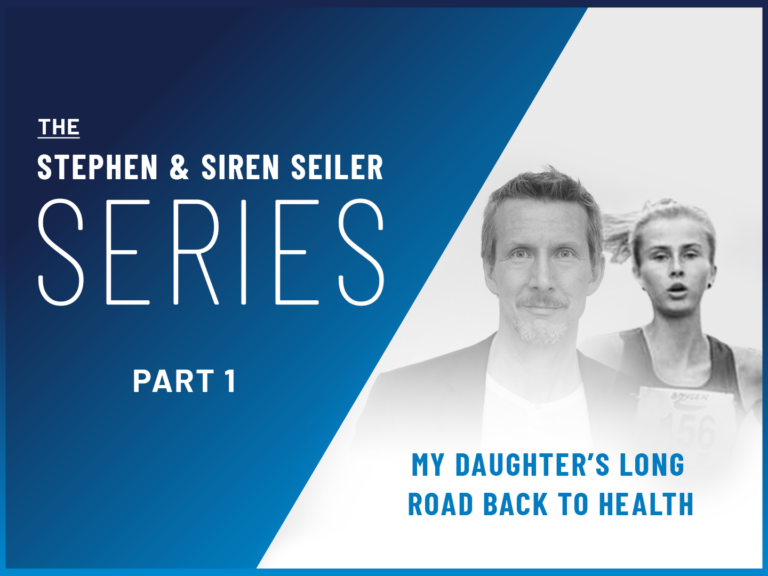
We know him as a sports scientist, but he’s also a father and coach. In this eight-part video series, we see Dr. Stephen Seiler in all three roles as he talks candidly with his daughter Siren about her return to training after struggling with an eating disorder and RED-s.

So you want to give the polarized training approach a go? Here’s how to map out your week using the 80/20 training model.
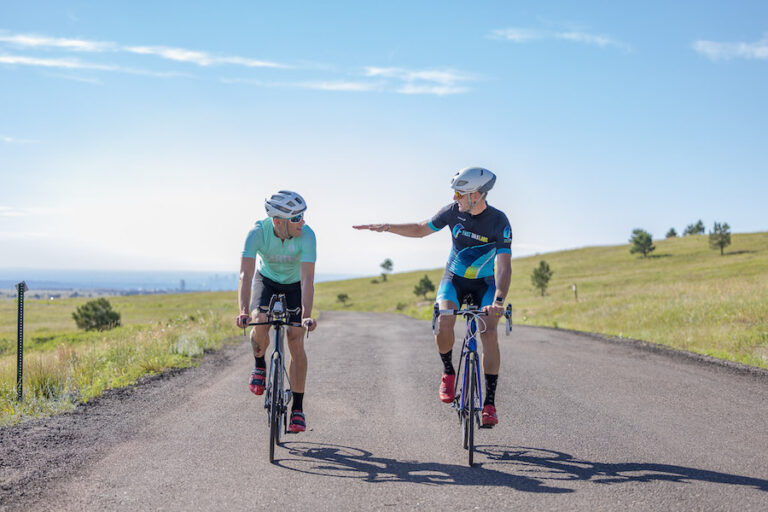
You might have heard of polarized training, but do you know how to implement it in your training? We’re here to help you get started.

Getting older doesn’t have to equate to getting slower. We chat with two world champion athletes who share their secrets of success when it comes to slowing the aging process.
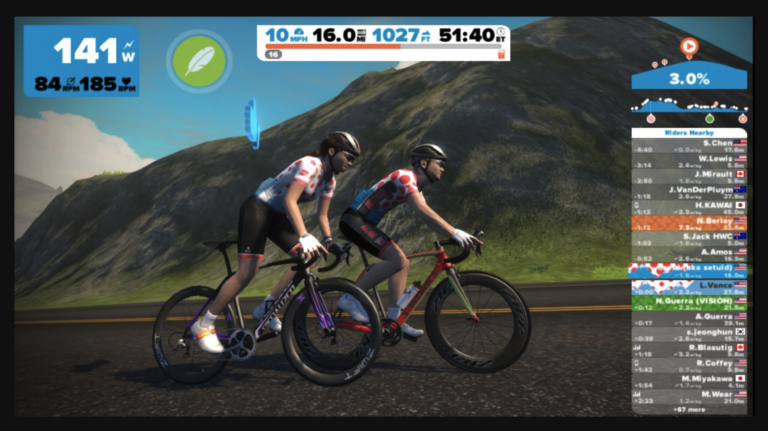
If you are training with Zwift, don’t miss this guide from exercise physiologist Rob Pickels, who explores best practices for this virtual cycling and running platform.

Looking to increase your run mileage and stay injury-free? The work starts in the gym—and we’ve got all you need to know to do it.