The Relationship Between Diet, Exercise, and Sleep
We talk with Examine.com writer Brady Holmer about how diet, exercise, and sleep all impact one another and ultimately play a key role in our health and performance.

The Fast Talk Podcast focuses on the science of endurance sports in a conversational and informative style. Mixed into the deep discussions, there are tips and takeaways regarding endurance training philosophy, human physiology, workout design, performance nutrition, and sport psychology.
Our hosts Trevor Connor, Chris Case, Grant Holicky, Rob Pickels, and Julie Young explore these topics with world-class, leading experts on endurance sports. These include researchers like Dr. Stephen Seiler, Dr. Bent Ronnestand, Dr. Inigo San Millan, as well as coaches such as Joe Friel, Neal Henderson, Dr. Stacy Sims, and many more.
Subscribe to Fast Talk for over 400 episodes on Apple Podcasts, Overcast, Soundcloud, Spotify, Stitcher, or wherever you get your podcasts.
Fast Talk Podcast is now on YouTube! Subscribe now to get 150+ of our best episodes, new releases, and featured videos.
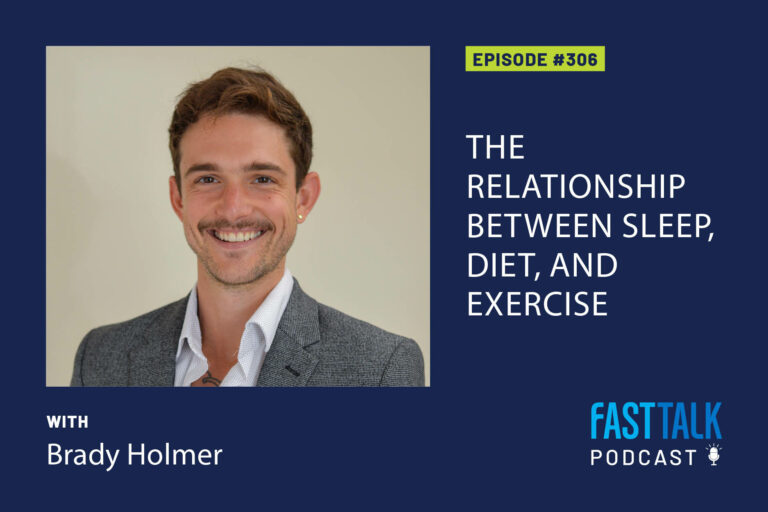
We talk with Examine.com writer Brady Holmer about how diet, exercise, and sleep all impact one another and ultimately play a key role in our health and performance.
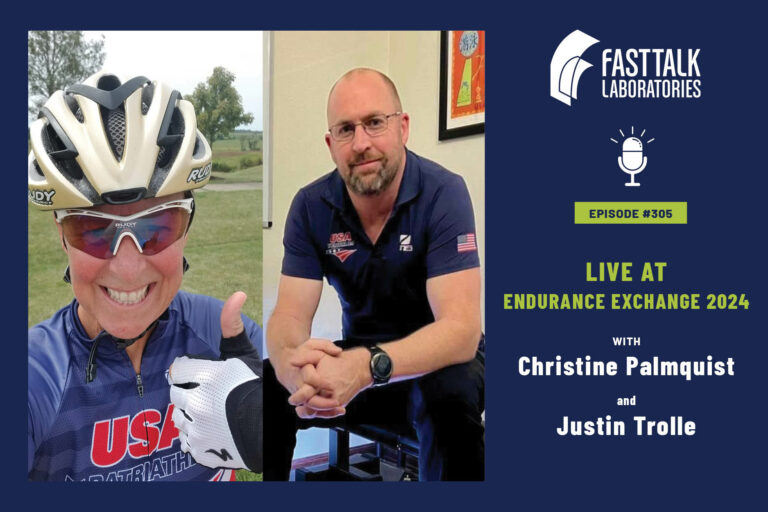
Fast Talk’s first live recording took place at USAT’s 2024 Endurance Exchange, where we spoke with two top coaches who are helping to build Team USA’s Olympic hopefuls.

In our second Basics episode, we talk about how oxygen travels from the air around us to our working muscles, covering everything from the lungs, blood, and heart, to how our working muscles grab that oxygen.
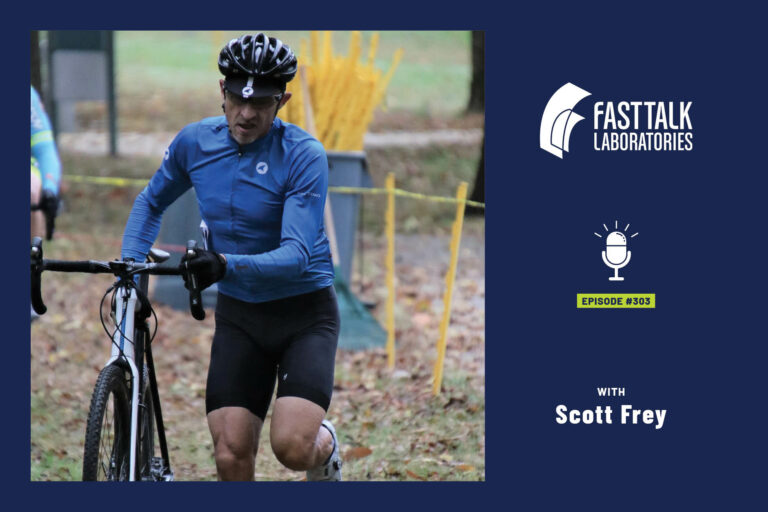
Neuroscientist Dr. Scott Frey talks about the hard science behind belief and how our “soft-wired” brain can be an advantage to endurance athletes and coaches.

In this week’s potluck, we discuss our favorite ways to approach training in January, practical weight management tips after the holidays, and what to consider when trying a new endurance sport.

Strength and Conditioning Expert, Jeff Hoobler, talks with us about the need for neuromuscular and functional work to keep our backs happy on the bike

For our 300th episode, our hosts – both old and new – are interviewed by Dr. Stephen Seiler to discuss where we’ve been and where we’re going.
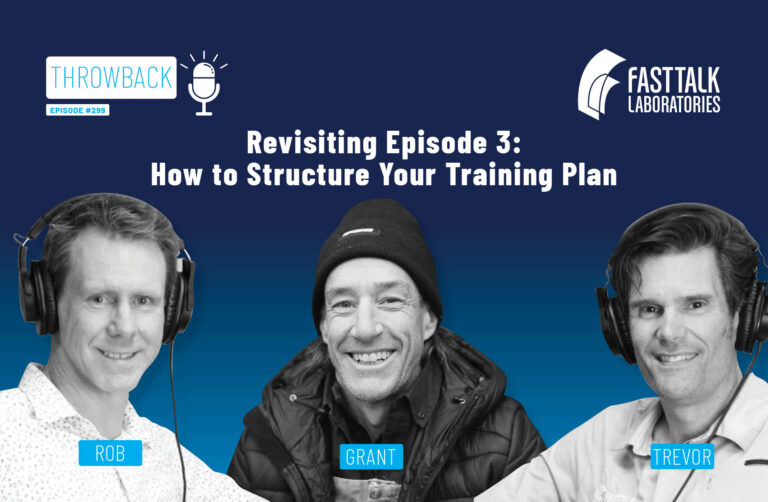
In the very early days of Fast Talk, our hosts summarized – in only 20 minutes – how to map out your training week. In today’s episode we revisit that summary to see just how good a job we did back then.

We are constantly inhaling particulate matter—not just from pollution, but from smoke, candles, and even cleaning chemicals. How does it impact our health?
In the early days of interval training research, it was hard not to come across the name of Dr. Véronique Billat who shaped much of our current understanding of interval training.

Block Periodization is one of the most sophisticated periodization models that’s producing big results for pros. But that doesn’t mean it’s right for everyone. Is it right for you?
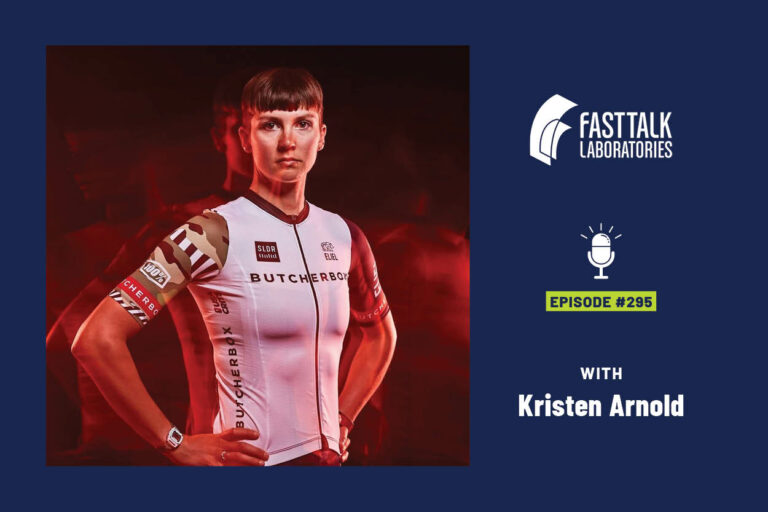
National Team Coach and Nutritionist Kristen Arnold helps us explore maximizing your nutrition as an athlete, gives advice for how junior women can reach the next level, and shares her experience managing national projects.
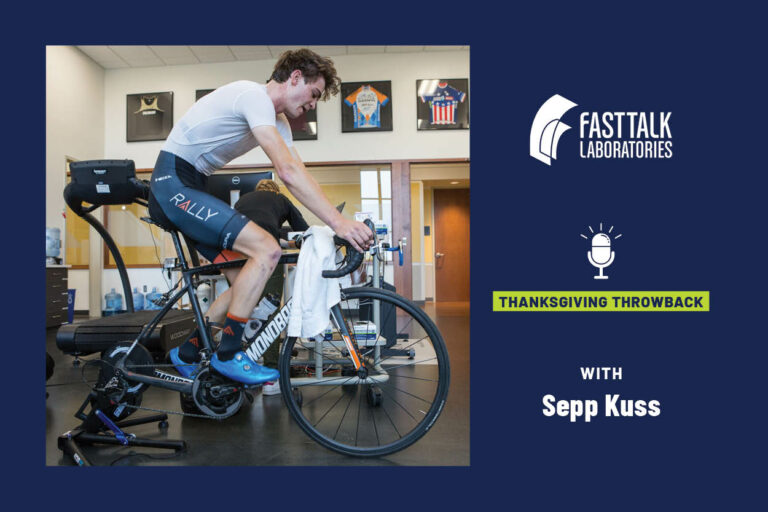
Let’s go back to a 2018 interview with this year’s Vuelta a España winner, Sepp Kuss, and hear about his jump to World Tour.
For this week’s potluck we discuss a host of questions, from getting sick during a target race, training in cold weather, and approaching the off season.

Gear up for a new Fast Talk Podcast series. First up: what are muscle fibers, what do we mean by slow-twitch and fast-twitch, and what are type IIa fibers? Our hosts cover everything you need to know about these all-important fibers.
AI training software is here to stay. We talk with Dr. Paul Laursen about where it may go and how it may impact training and coaching in both good and potentially bad ways.

We dive into blood flow restriction, anti-aging supplements, post-activation potentiation, and the potential fringe training benefits you may never have even heard of.

The modern coach often assumes their job is fundamentally self-sacrificing – the athlete always comes first. We talk about why changing that belief can make for a better coach.