Three Rides to Polarize Your Training
To truly polarize your training, you need to focus your training in two key zones. Coach Trevor Connor explains how this works for the sport of cycling, but the physiology applies to all endurance sports.

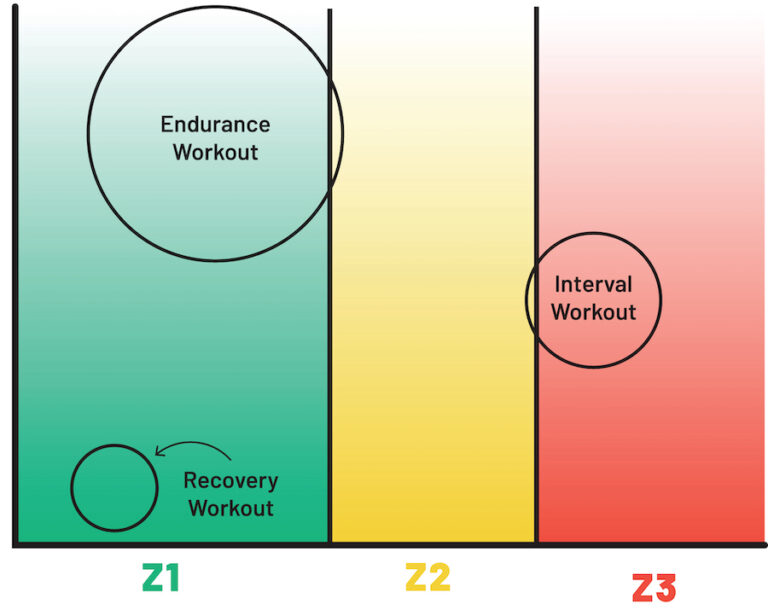
To truly polarize your training, you need to focus your training in two key zones. Coach Trevor Connor explains how this works for the sport of cycling, but the physiology applies to all endurance sports.
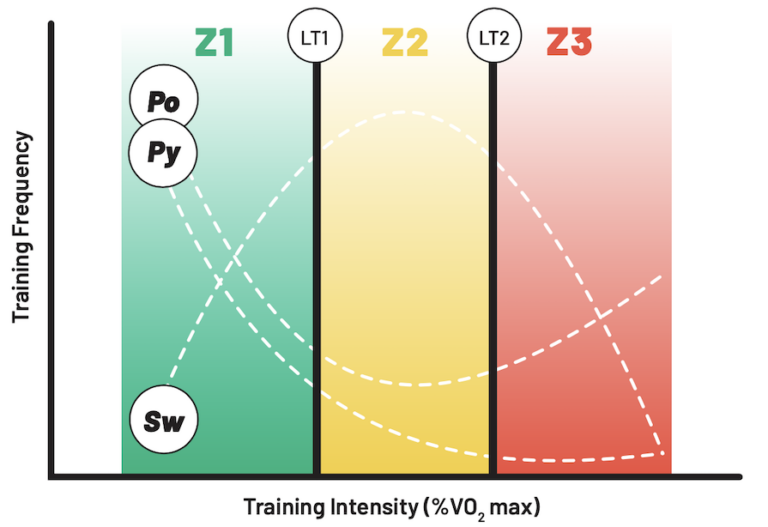
Most popular training methods claim to build your aerobic engine, but the training to achieve that goal will look and feel very different.
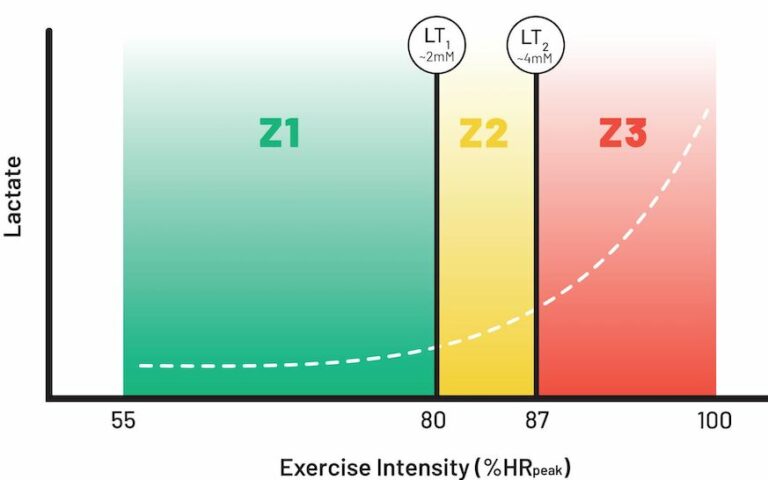
Polarized training is a case where science hustled to catch up with real-world results. Coach Trevor Connor explains how sport science misunderstood the physiology and inadvertently shifted the focus toward high-intensity training.

Running coach Ryan Bolton shares three key workouts for runners who want to polarize their training.

Triathlon can be a demanding sport—so how can you set yourself up for success? We asked former pro triathlete and six-time Ironman 70.3 champion Emma-Kate Lidbury to share her top tips.
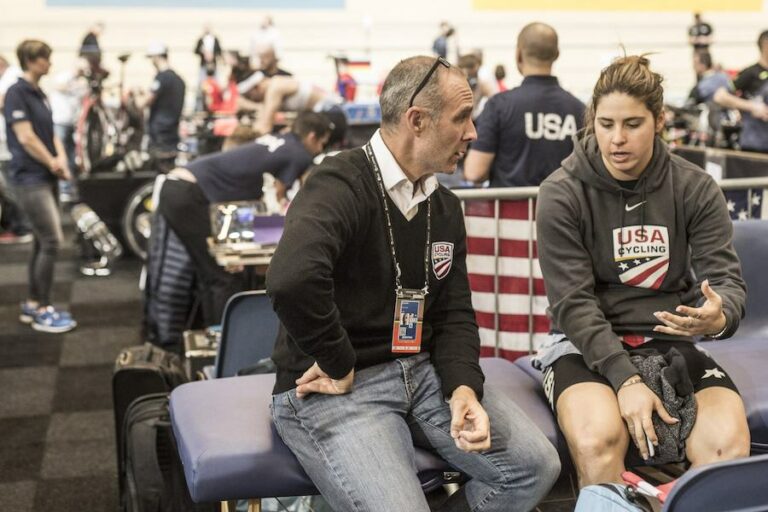
As a coach, you are in a privileged position to have a great impact on your athlete’s development. Learn how to use this wisely.

Work with your athlete to create a race plan for the season—and then build your training plan from there, but remember there’s plenty to factor in.

Joe Friel addresses the problems that athletes most commonly face en route to their goals: training plateaus, inconsistent training or lack of motivation, inadequate sleep, and prioritizing performance at the expense of health.

There’s a fine line separating performance and athletic potential. This case study illustrates the real consequences of overtraining and how training load can be better managed to avoid the high-stakes gamble altogether.
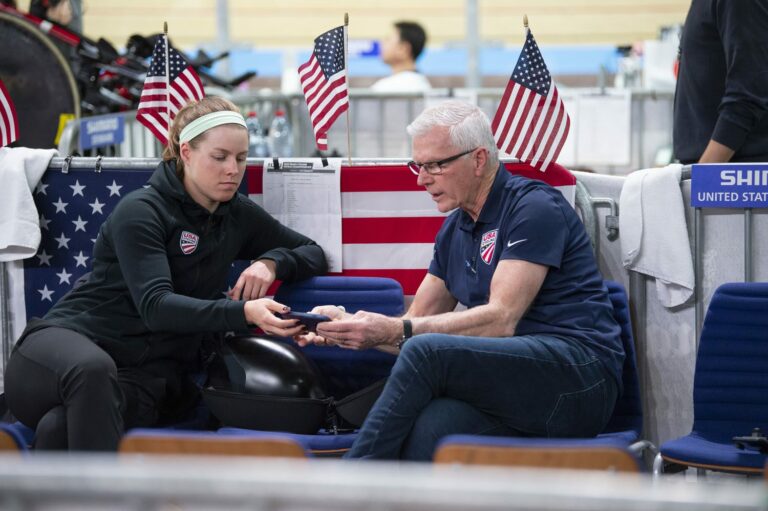
How you assess and analyze performance with your athletes can have a huge impact on their progress. Here’s our guide to ensuring that post-race debrief goes as smoothly as possible.

Every coach will be involved in athletic performances that fall short of expectations, leaving both the coach and the athlete dissatisfied. What is the best way to handle these situations?

Four-time world champion triathlete Julie Dibens talks about the biggest lessons she has learned during her transition from athlete to coach.

No one wants to “fire” an athlete. But there are times when the coach-athlete relationship is clearly not working. Coaches need to reflect on these difficult situations and athletes so they can identify problems before things get personal.
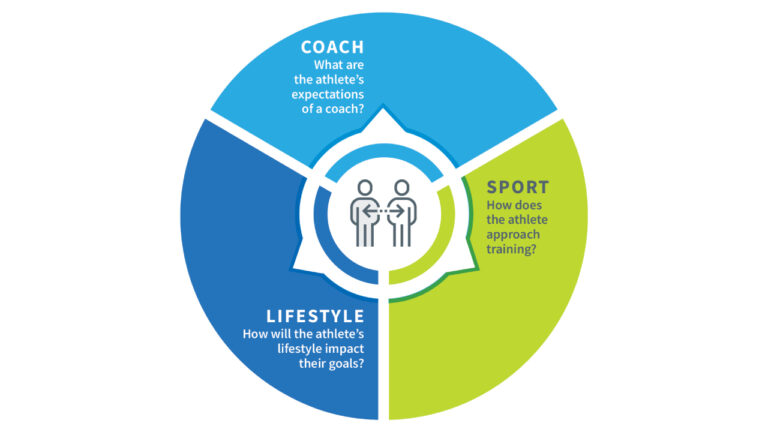
For the coach-athlete relationship to be successful, it must be rooted in trust, and trust is earned or compromised from Day 1. Begin any new client relationship with the end in mind.

Ryan Bolton was coached by Joe Friel for the duration of his career as a pro triathlete. He reflects on what made that relationship work and the lessons he took from it in establishing his own coaching business.

Coach Grant Holicky describes how athletes are impacted by the additional experts and services that coaches make available to them.

Trying to predict your performance can be nerve-wracking but in this era of training metrics and numbers, data can tell you a lot.

Joe Friel explores the pros and cons of different options available to coaches, both online or face-to-face. Consider the quality of the service you deliver, the time investment, what it’s worth, and the level of expertise required.