The Four Fitness Foundations of Mobility, Flexibility, Stability, and Strength
We talk with coach and physiologist Dr. Stacey Brickson about the importance of off-the-bike work, not just for performance but longevity and health.

Connor is an exercise physiologist, endurance sports coach, and raced in the professional cycling peloton for over 20 years.
Over the past two decades, Coach Connor has been fortunate to experience all sides of the cycling, endurance, and nutrition/health world. From his own experience racing the professional circuit, managing teams, coaching athletes of all levels, and writing for cycling and nutrition magazines, he brings a variety of knowledge and experience to Fast Talk Labs.
Connor raced in the pro peloton for nearly 20 years, getting on the podium at some of the largest races in North America. He started his coaching career working with the National Development program at Pacific Sport in Canada. From there he coached the Colorado State University Cycling team to number two in the country and worked with several semi-pro and amateur teams throughout Canada and the U.S.
From 2011 to 2020, he wrote the monthly training articles for VeloNews magazine. This is also where he first became the co-host of the popular training podcast Fast Talk.
From 2012-2014, Connor managed one of the top-ranked amateur teams in America, Team Rio Grande. He is an alumni of the 14-year program which includes several top finishers at Gran Tour events.
Connor’s master’s thesis advisor was Dr. Loren Cordain, the originator of the popular Paleo Diet. Connor has been the CEO of The Paleo Diet since 2018.
He founded Fast Talk Laboratories, LLC in 2019 where he continues the podcast and focuses on producing information on endurance sports training from top coaches, physiologists and professional athletes from around the world.
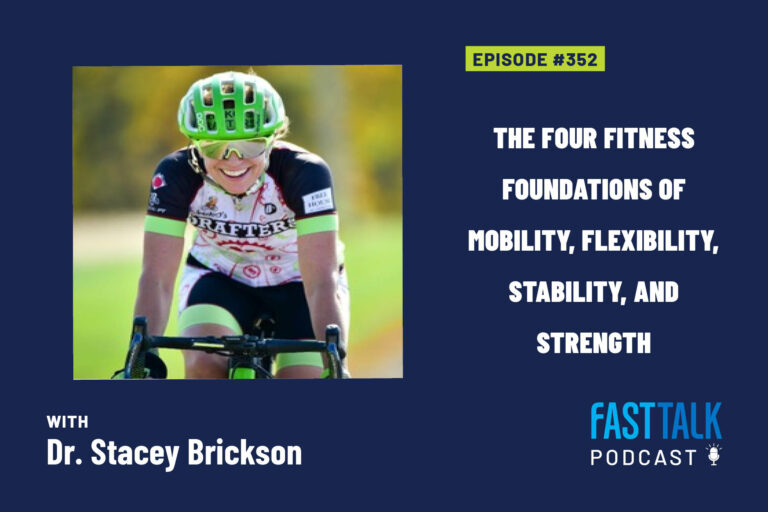
We talk with coach and physiologist Dr. Stacey Brickson about the importance of off-the-bike work, not just for performance but longevity and health.
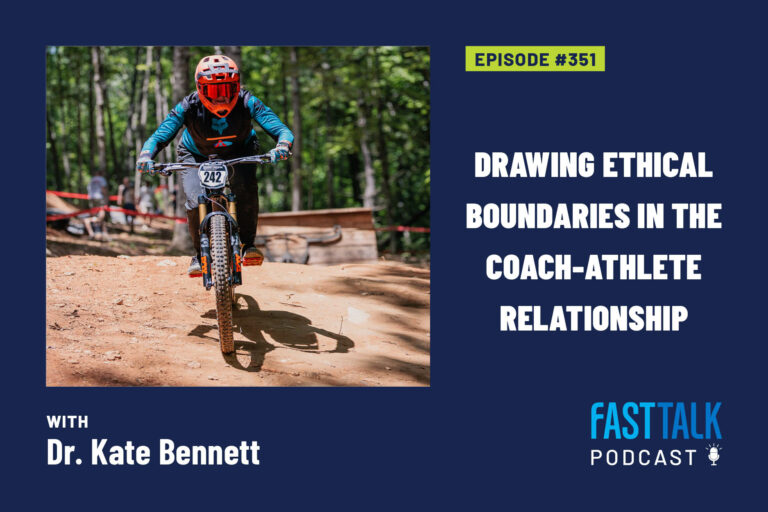
Dr. Kate Bennett discusses ethical boundaries, dual relationships, and power imbalances that both coaches and athletes should be aware of.
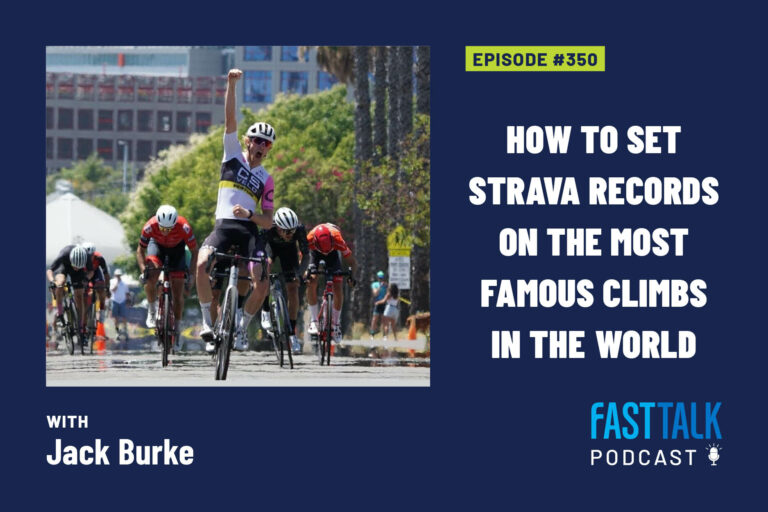
Jack Burke tells us how he trained and raced record-setting climbs on Alpe d’Huez, the Stelvio, and the Mortirolo.
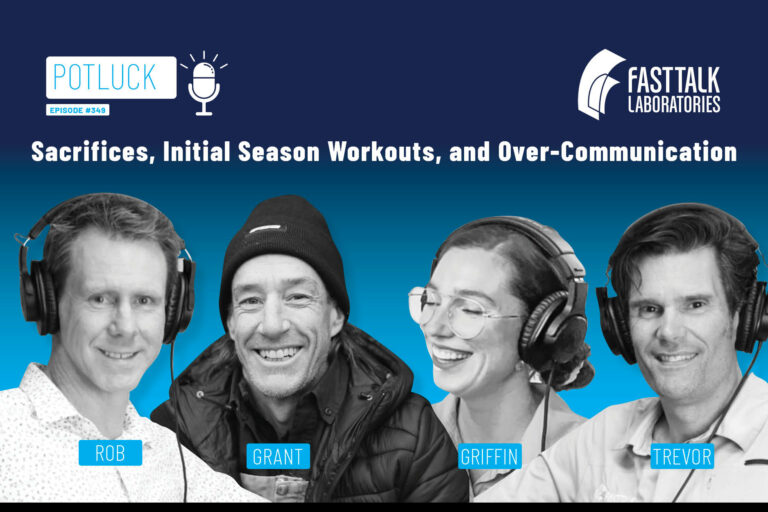
Our hosts talk about whether it is better to be balanced or pursue something fully, good workouts to start the season out, and how much communication is too much.
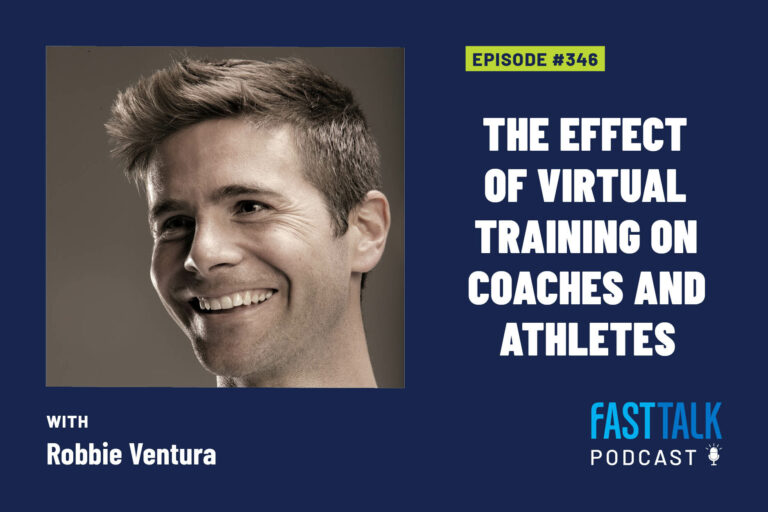
Training is becoming increasingly virtual. We discuss with Velocity owner Robbie Ventura how to maximize athlete and coach interactions in this new online environment.
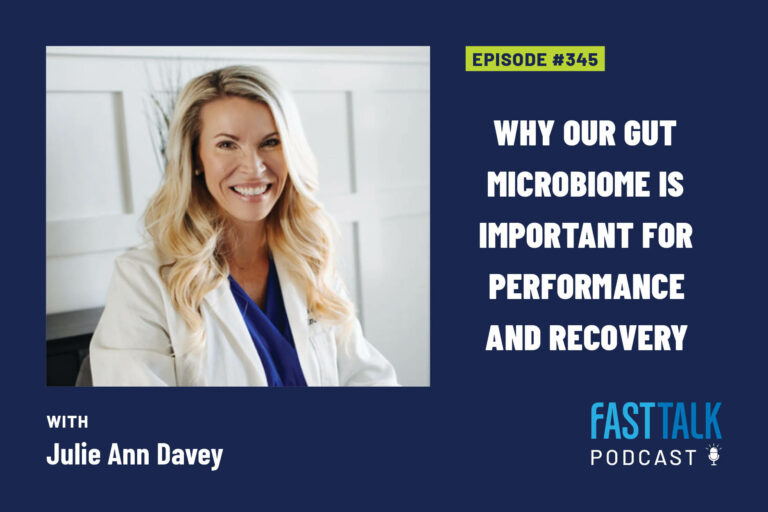
We talk with Julie Ann Davey about the bacteria in our gut and how the composition of our microflora affects everything in our bodies, including our performance.
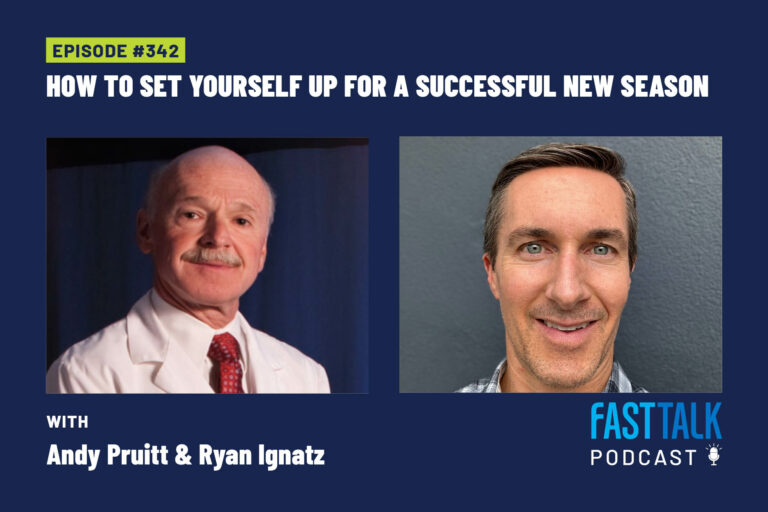
Ryan Ignatz and Dr. Andy Pruitt join us to discuss gear, testing, and all the other things you can do in the off season to set yourself up for the upcoming year.
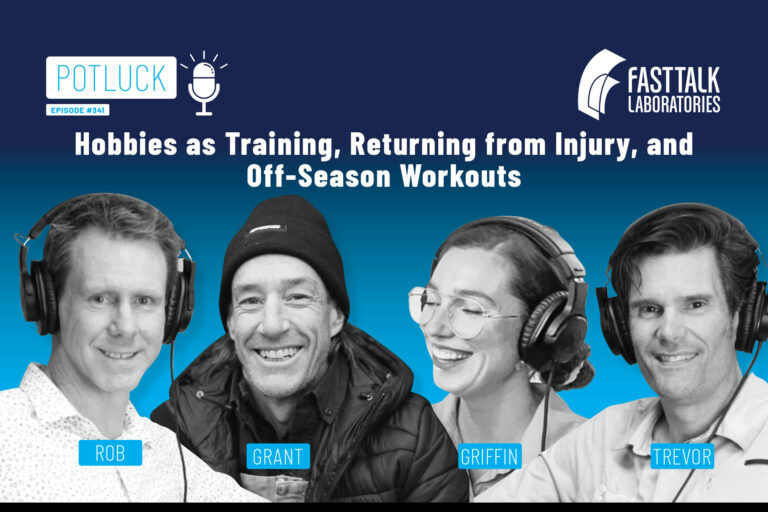
Our host regulars discuss when an unplanned activity—such as commuting—becomes training, how to adjust for an event when returning from injury, and what training to do in the off season.
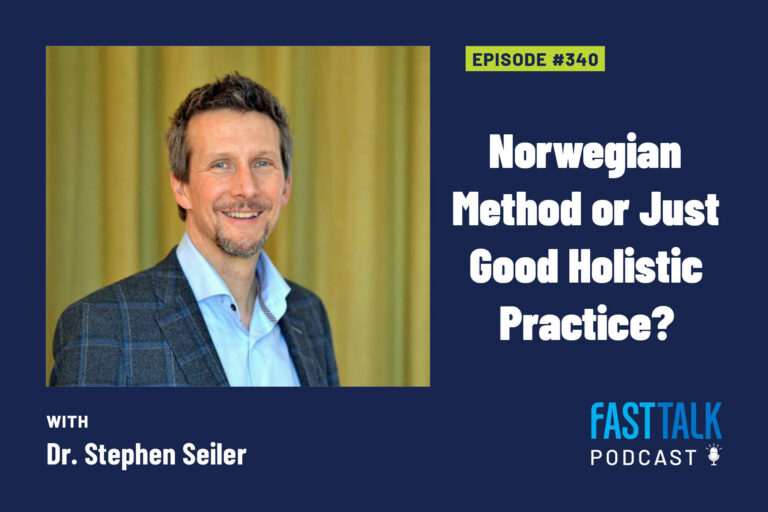
Dr. Seiler explains what we can and can’t take from the Ingebrigtsen brothers and from the Norwegian approach to training in general.
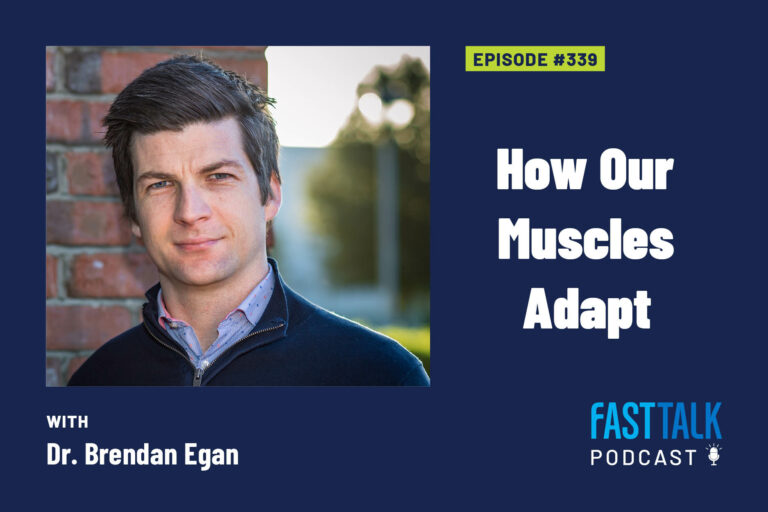
Dr. Brendan Egan joins our hosts to explain what happens in our muscles after a hard training session that causes us to get stronger and faster.

Our hosts talk with Jared Berg about the nutrition needs of development athletes and whether they should eat differently from their adult counterparts.
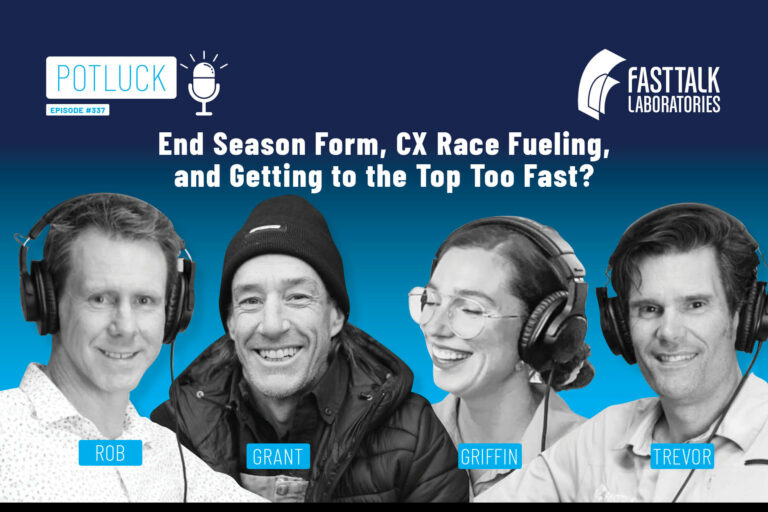
We discuss a host of questions, from how to get a little more out of your form in autumn, to fueling needs for short races like cyclocross, and why so many female athletes seem to excel when entering sports later in life.
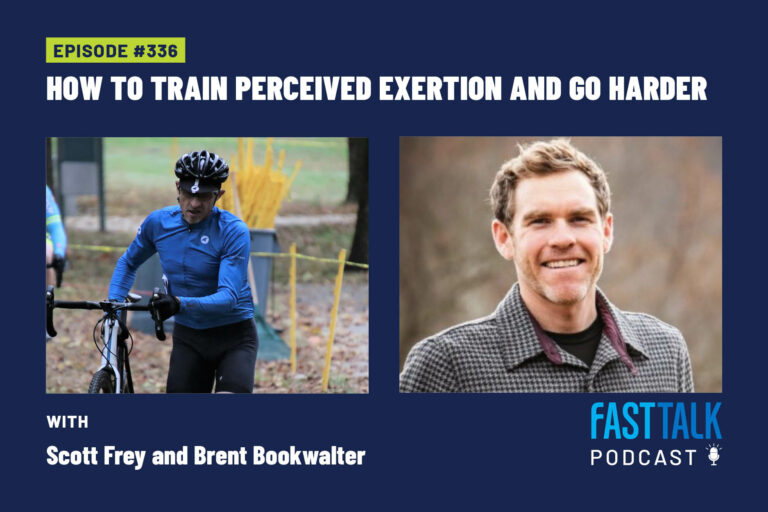
We talk with Dr. Scott Frey and Tour commentator Brent Bookwalter about how our brains perceive effort and ways we can manipulate that perception to go harder.
Dr. Edward Coyle was a pioneer in figuring out how endurance athletes adapt and defining what attributes—such as efficiency and fuel utilization—are most important to perform at the highest levels.
We do the bulk of our training in zones 1 and 2, so this episode will explain how to define them and—more importantly—how to best train them.
In this week’s potluck, we discuss if lighter means you always perform better, how to change things up if you’re not feeling that day’s workout, and what key tips we have to be better coaches or athletes.
Nothing has been researched more than high-intensity interval training. We talk with Dr. Seiler about what the science really says and how to apply it to our own training.
Our hosts bring their questions on working out at the end of a long day, how to manage when training races are too easy, and if base ride intensities should be varied.